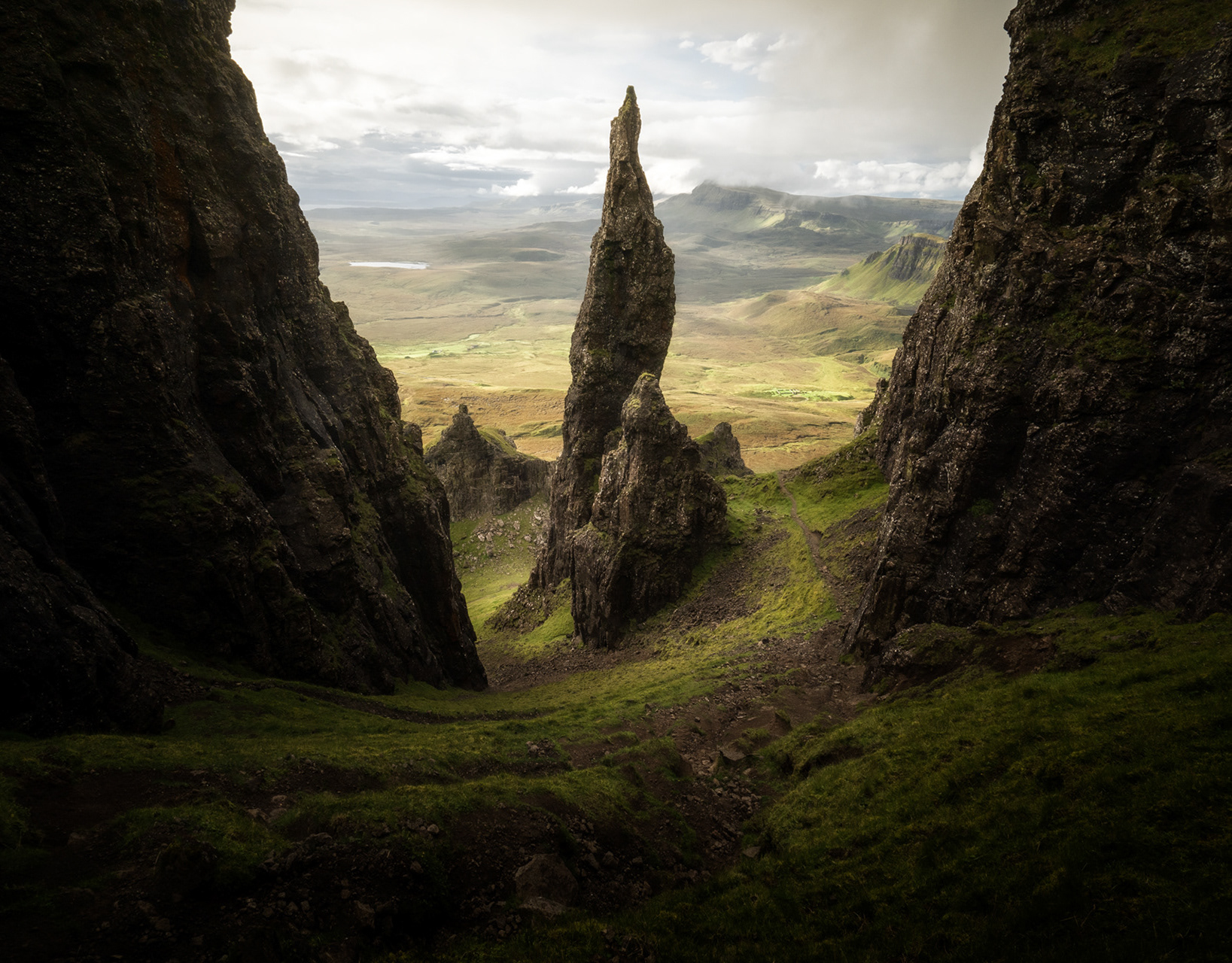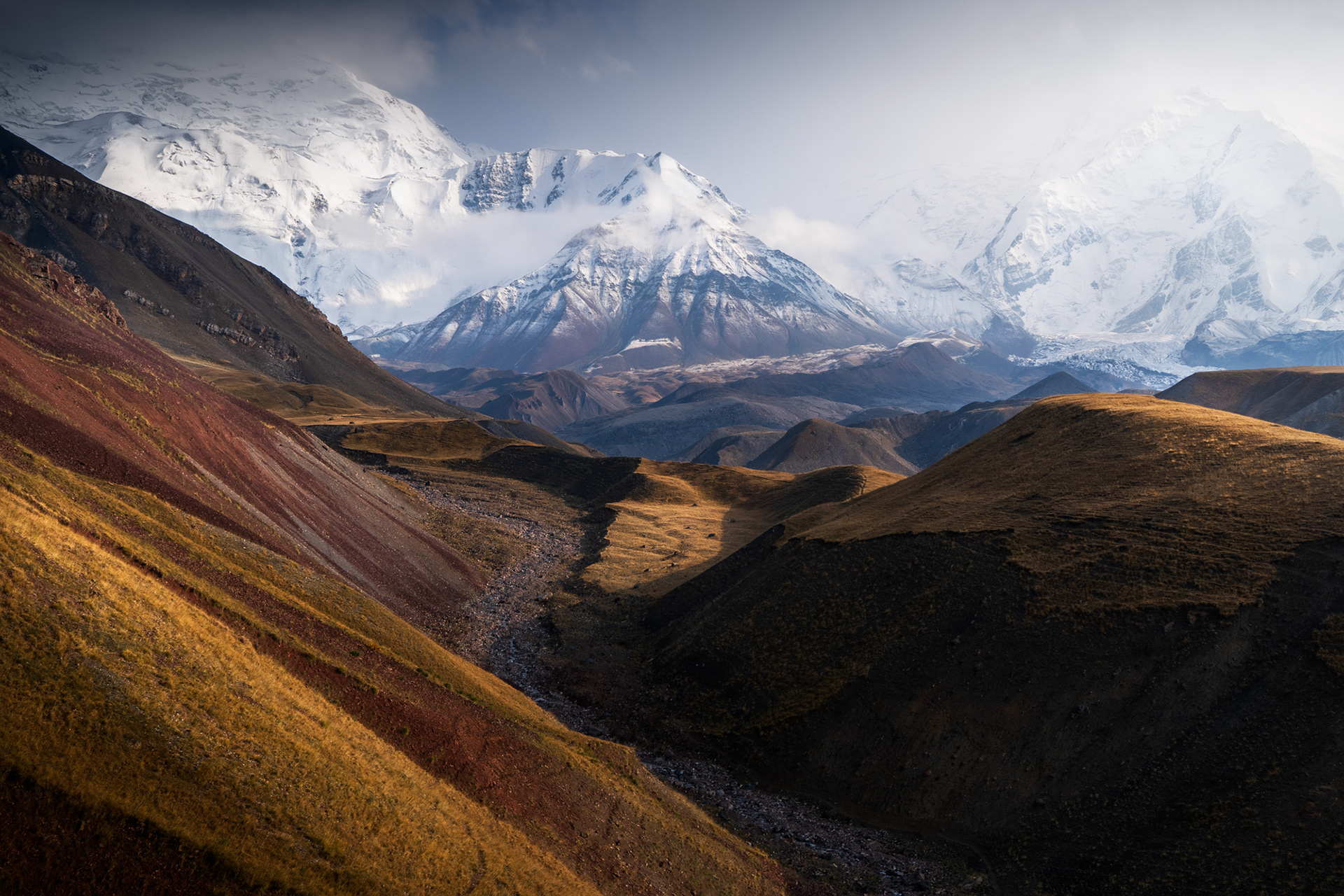
Our journey on the Pamir Highway started in Osh, Kyrgyzstan. Driving up to the Alay Plateau at more than 3,000m, we took a detour into the formidable mountain range that is the divide between Kyrgyzstan and Tajikistan, to witness the majesty of Lenin Peak, a behemoth rising to 7,134m. We arrived to a storm, but checking the forecast, persevered through, and we rewarded with a clearance shortly before sunset, revealing the kaleidoscopic colours of the landscape leading towards the base of Lenin Peak.
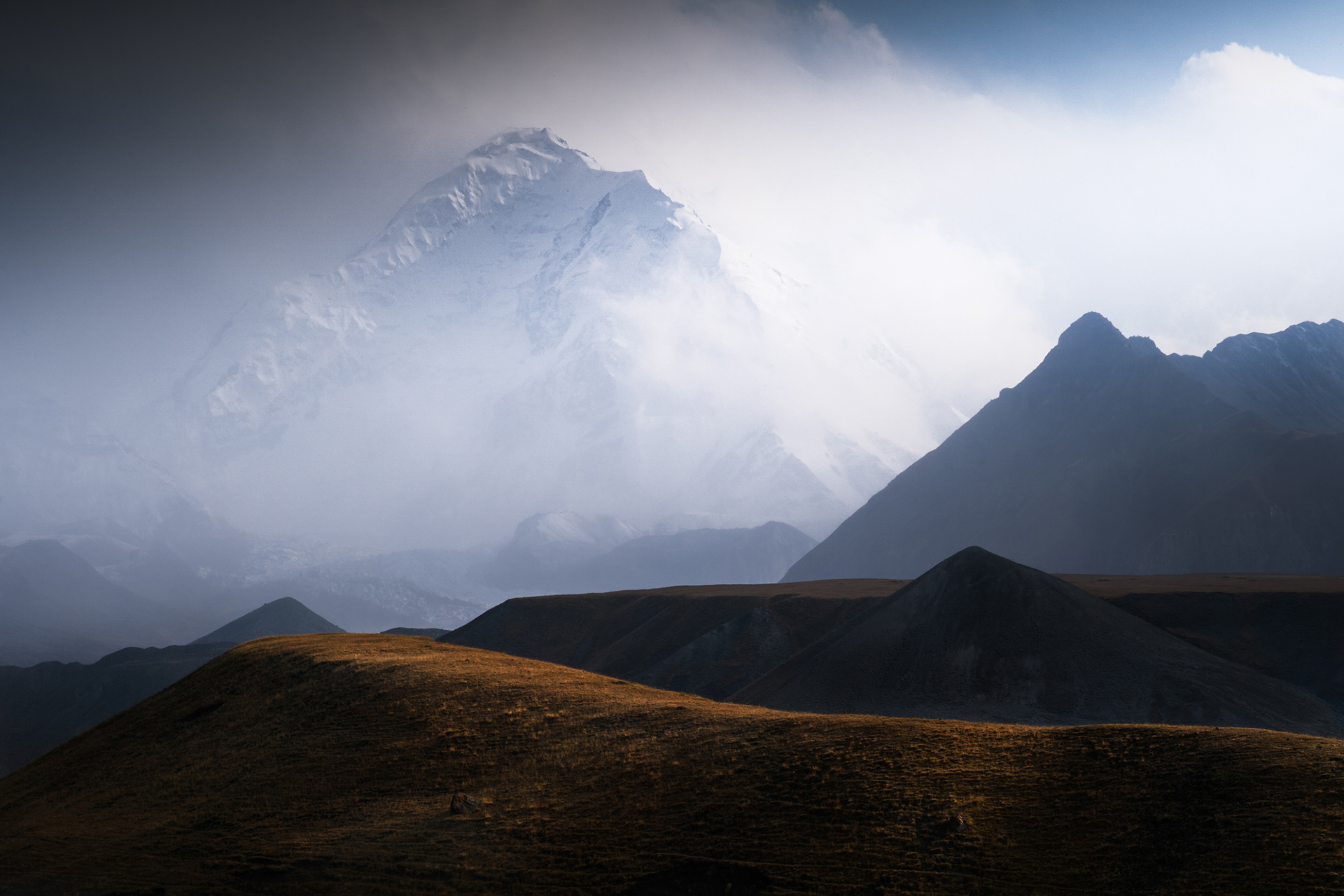
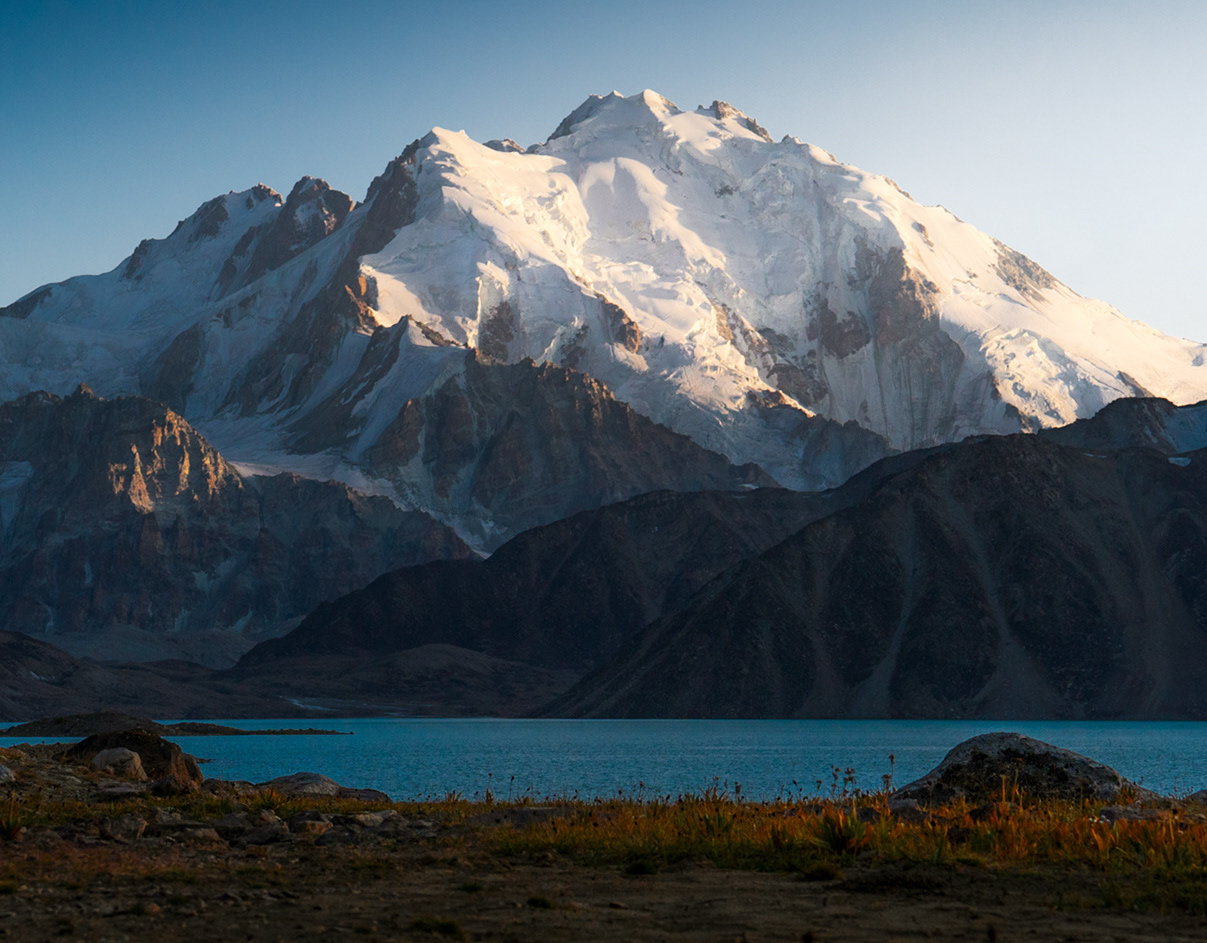
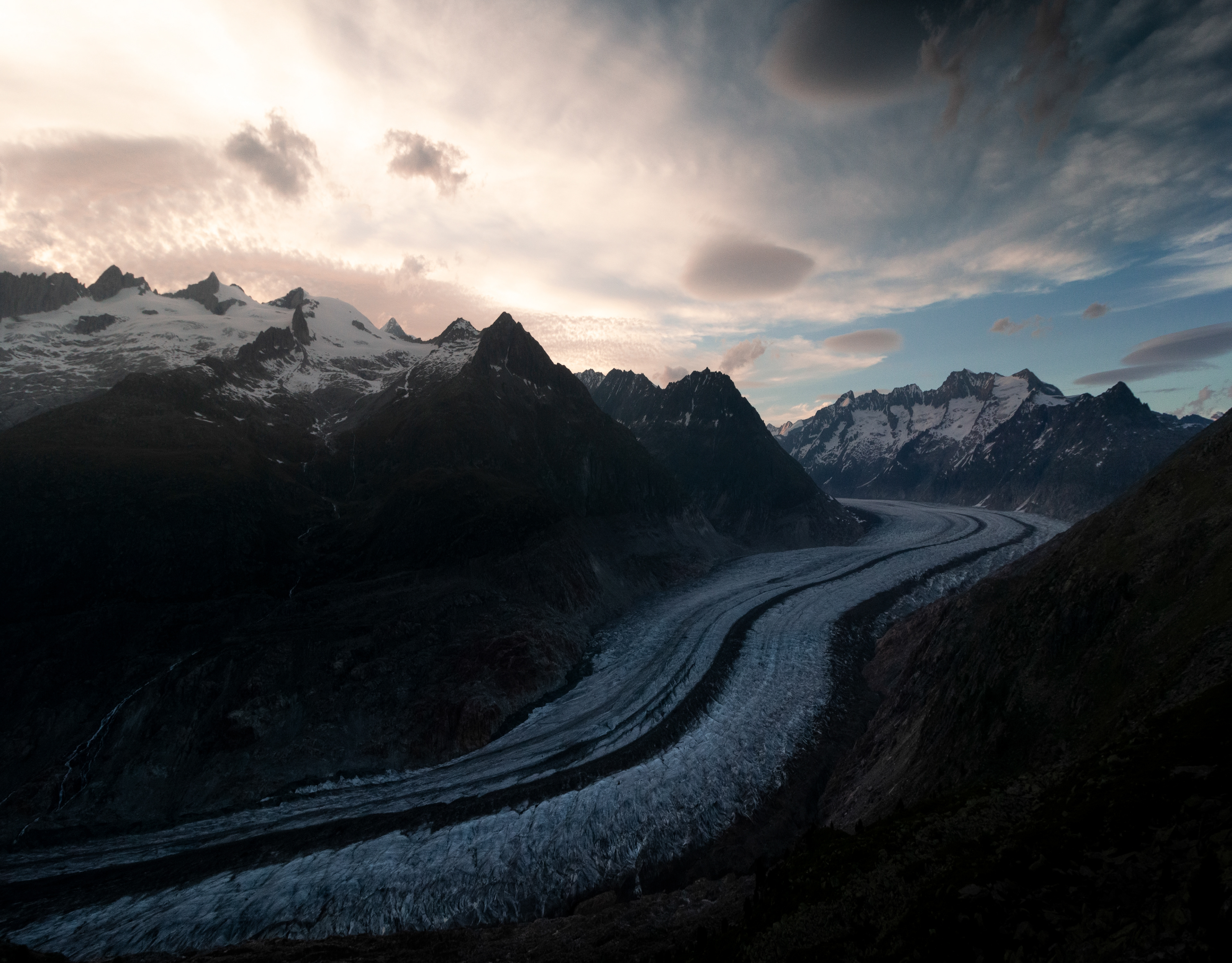
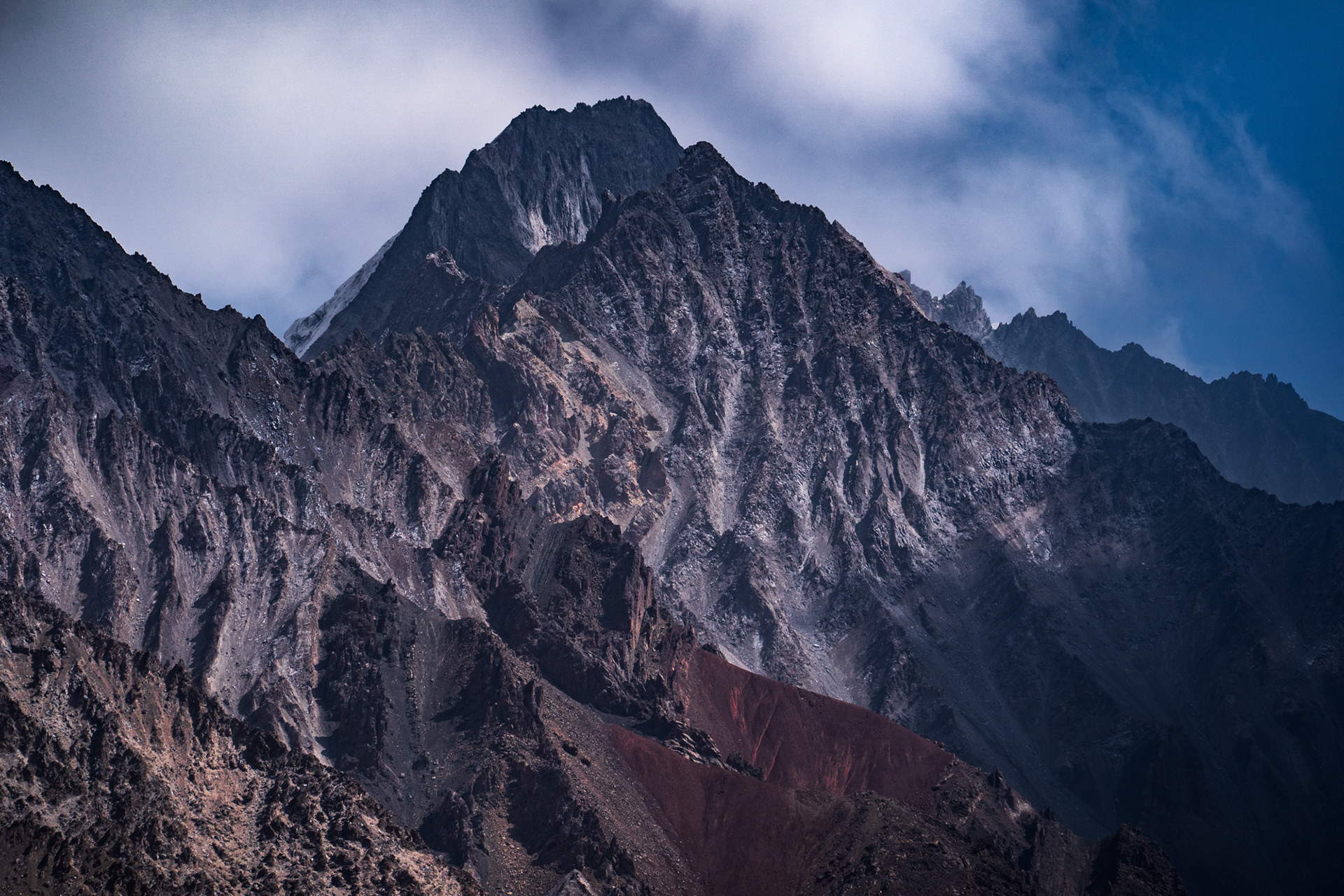
The Lower North Faces of Lenin Peak (7,134m) emerge from a short, but violent storm.
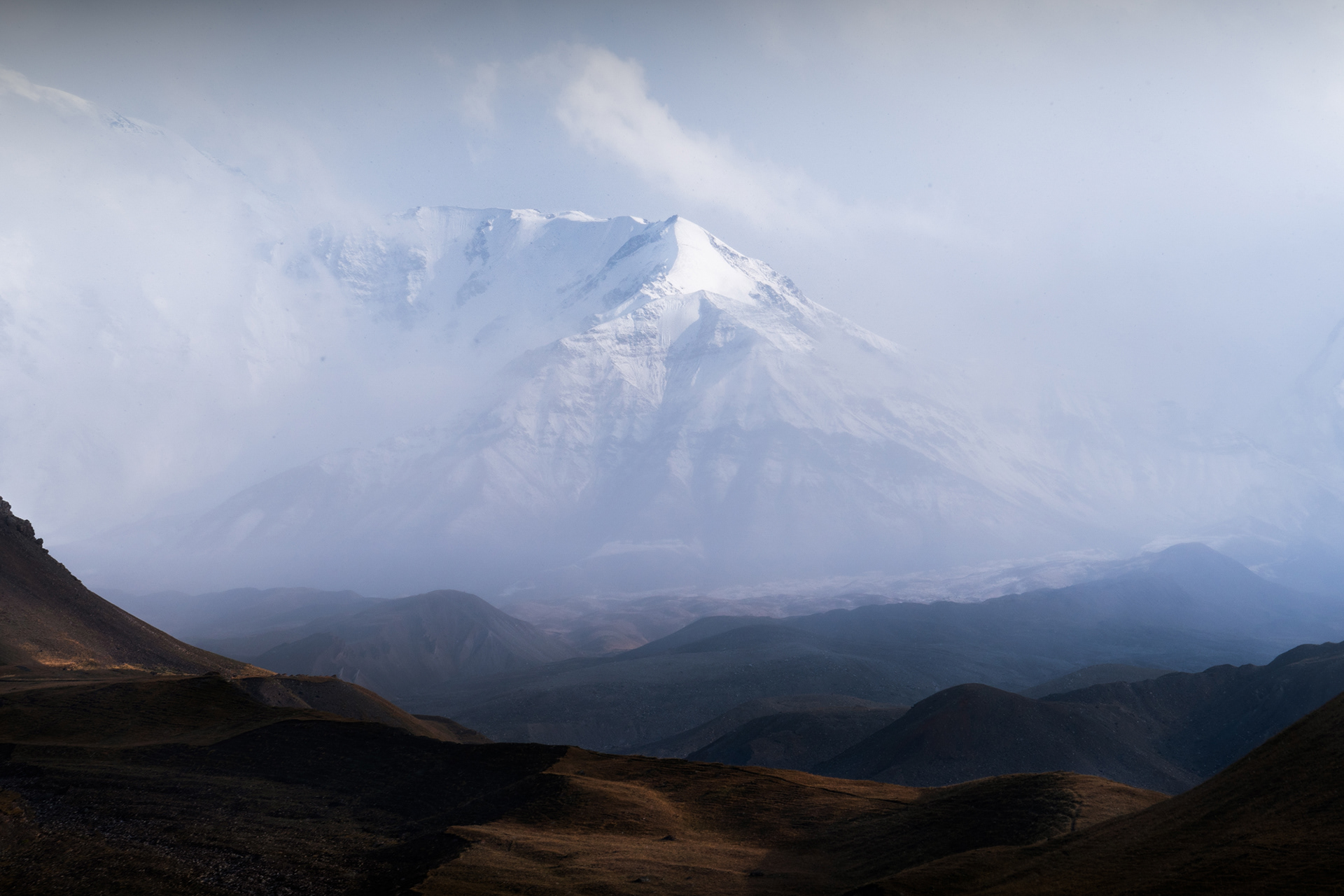
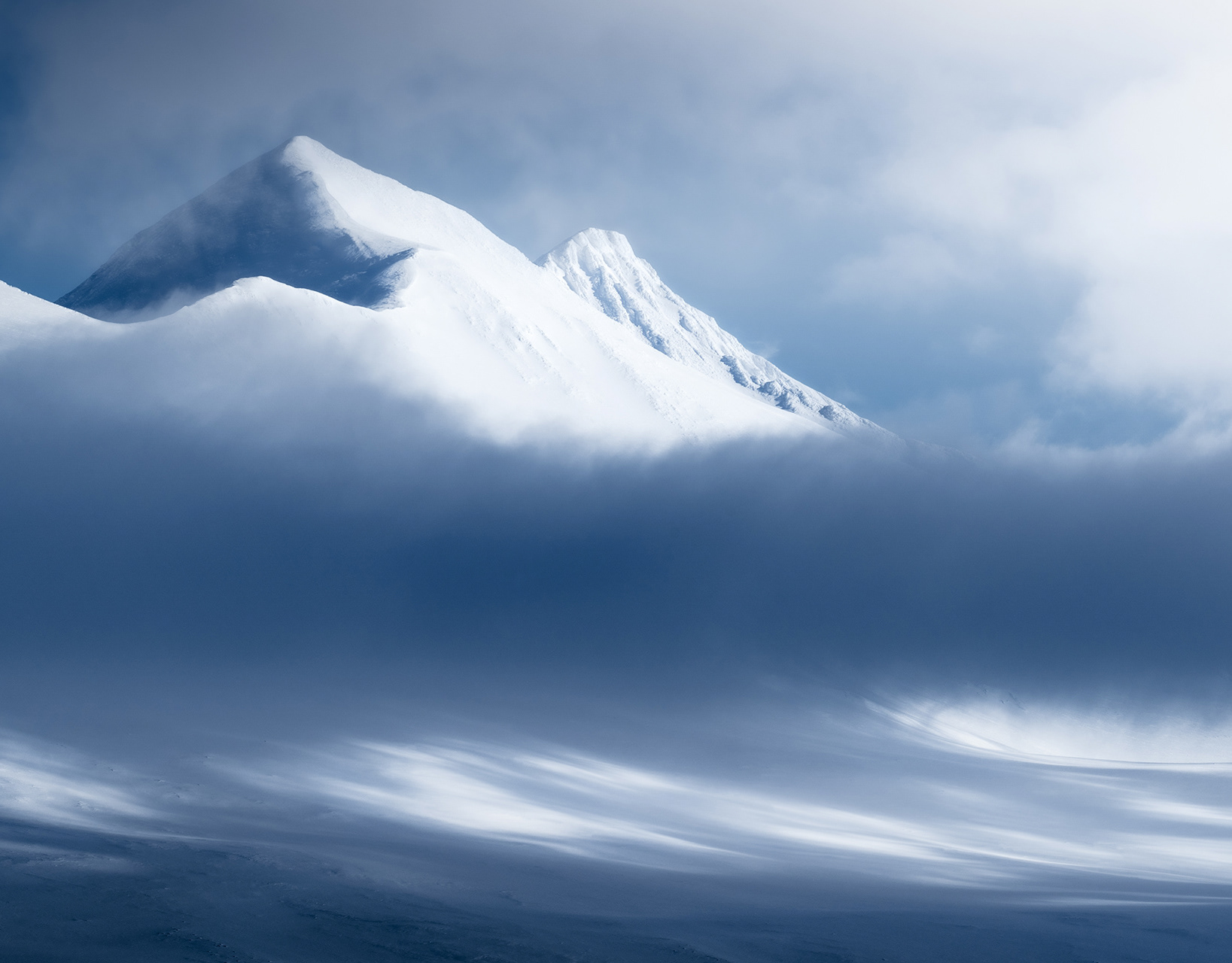
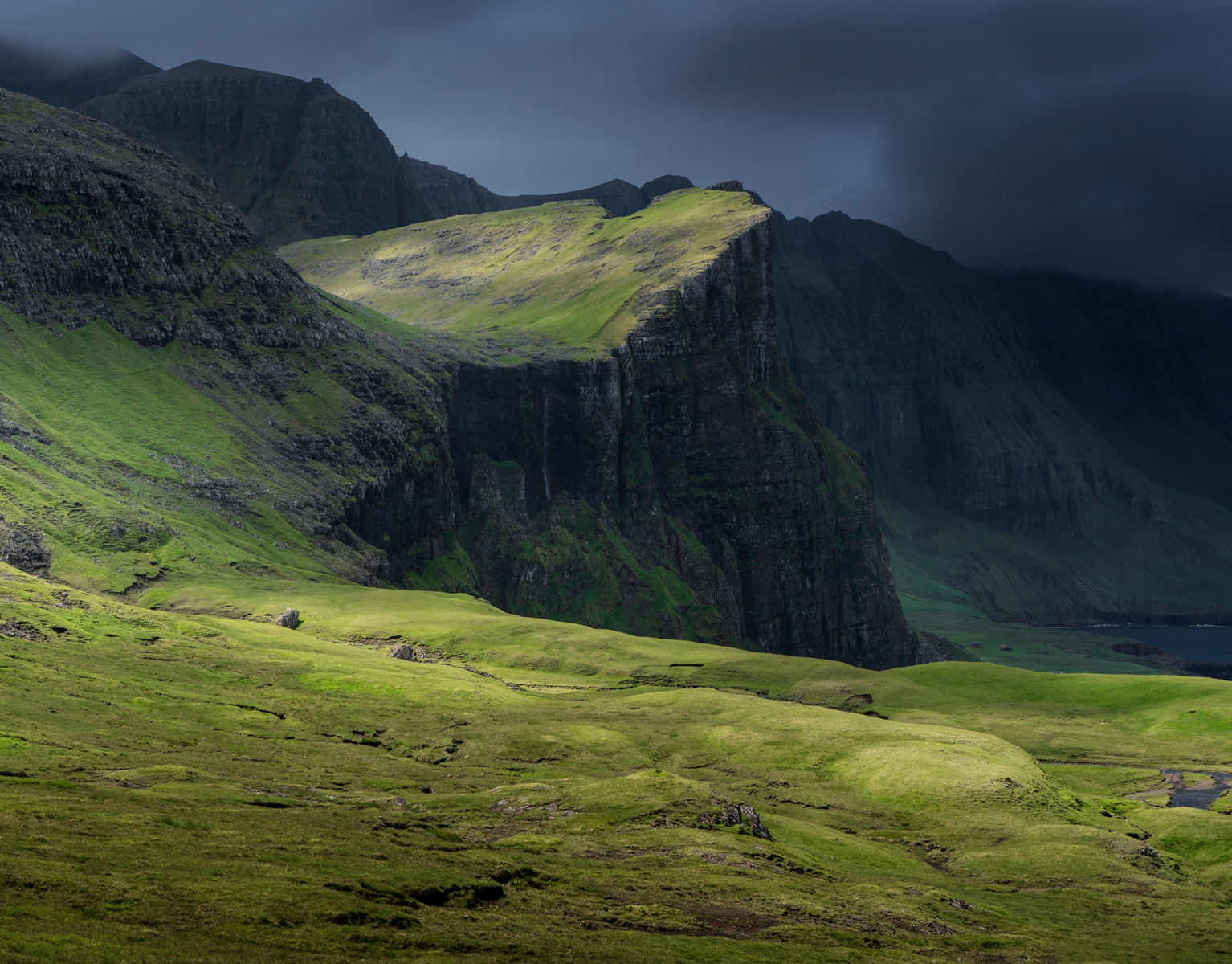
The storm envelops Lenin Peak again.
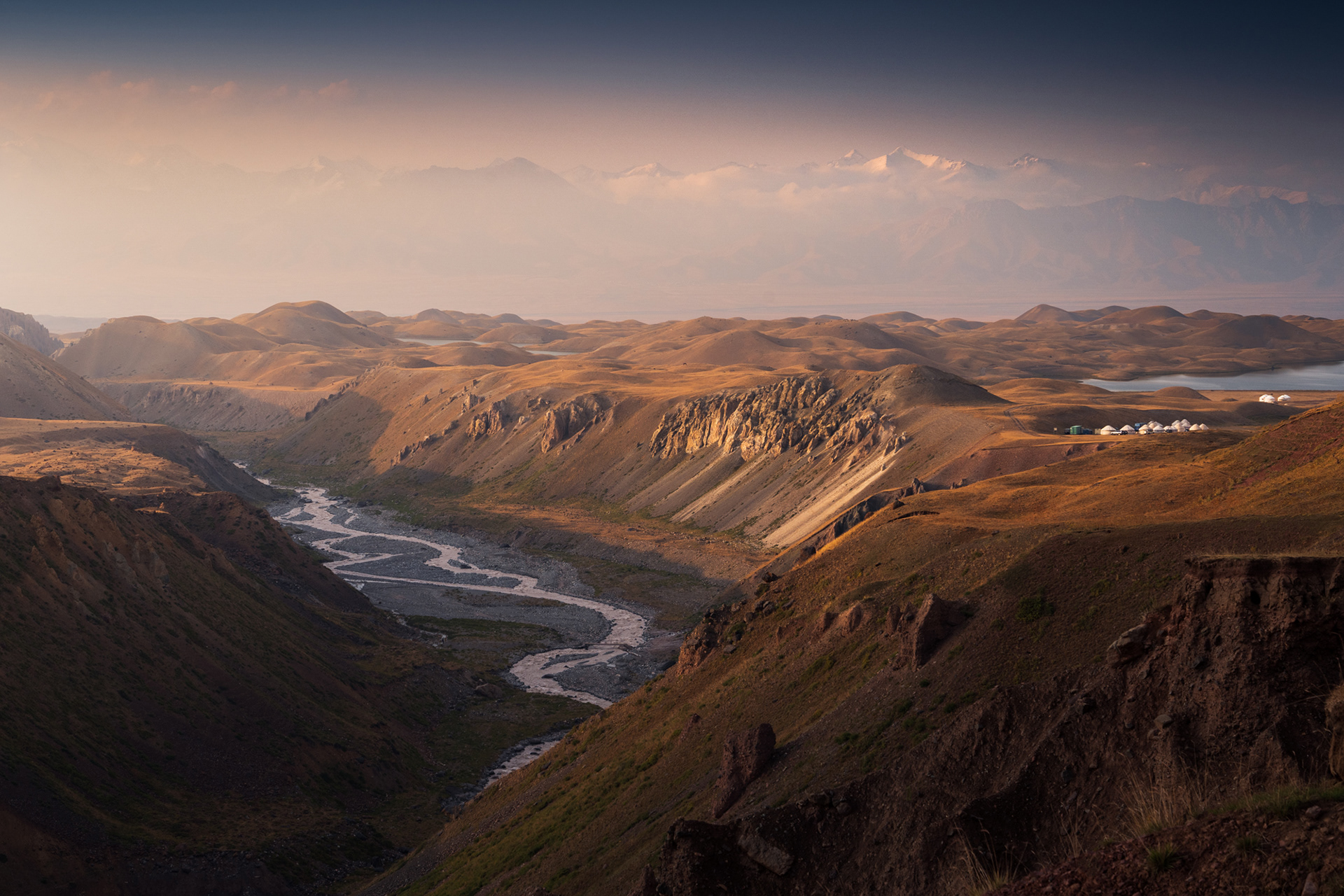
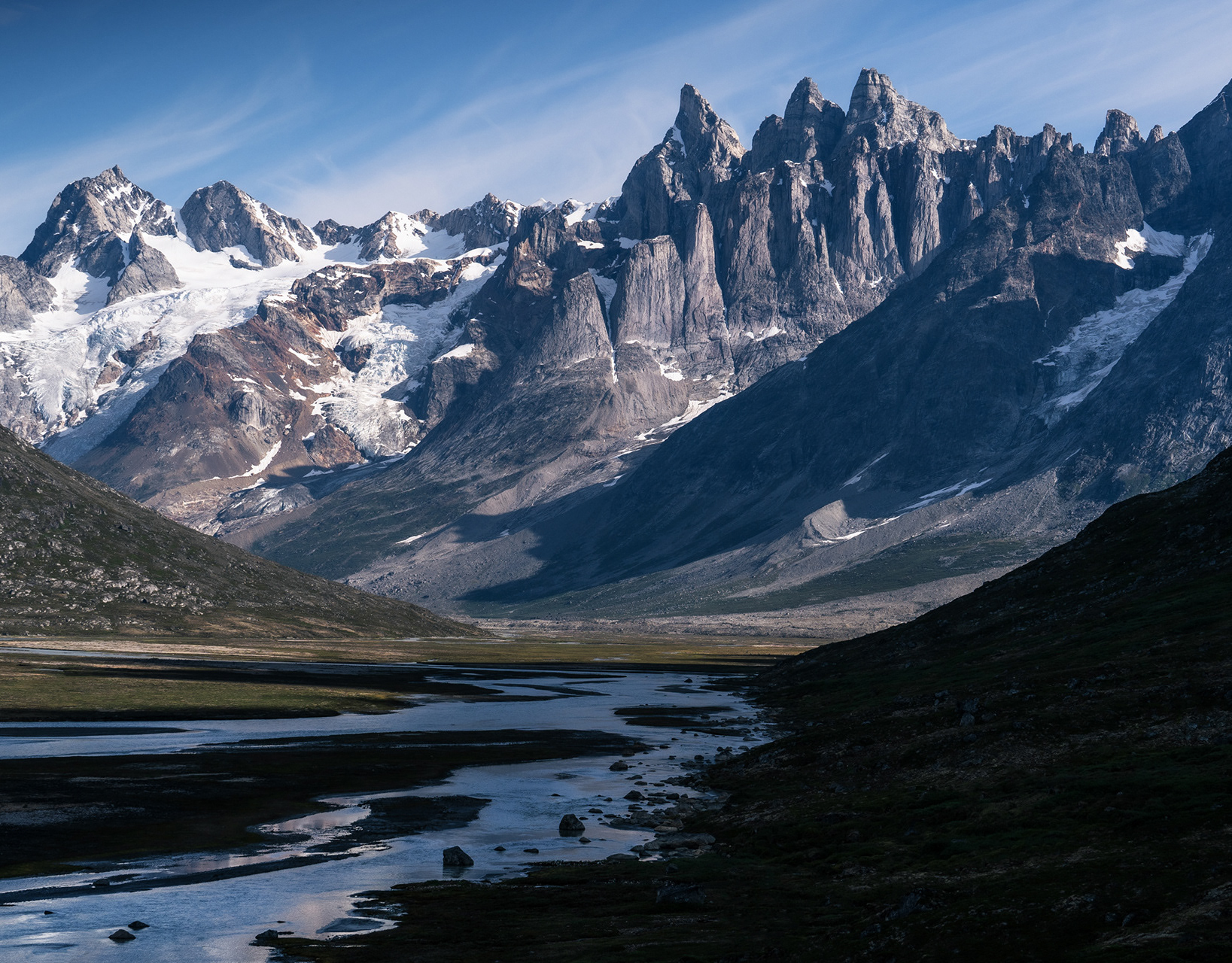
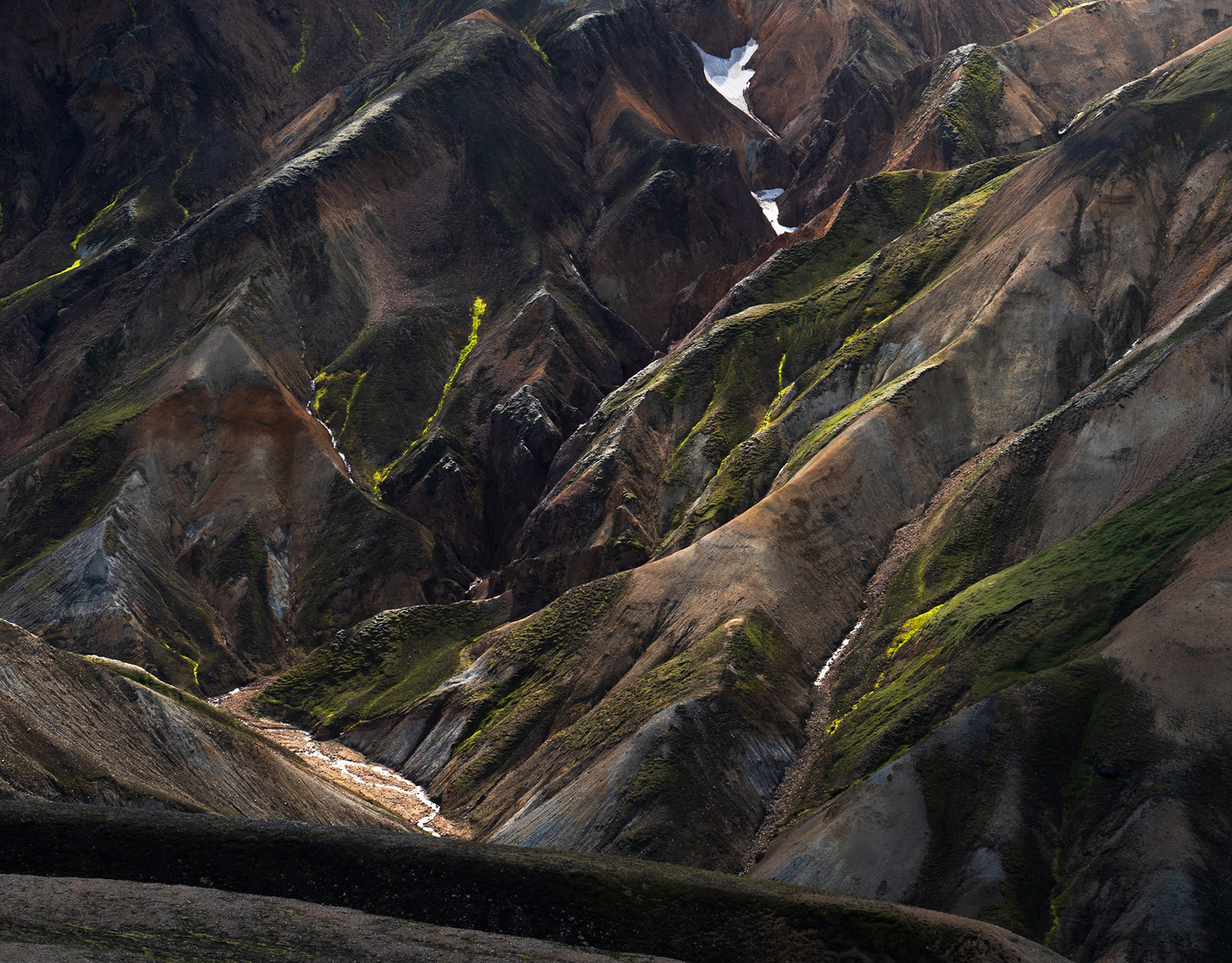
Looking back towards the Alay Valley.
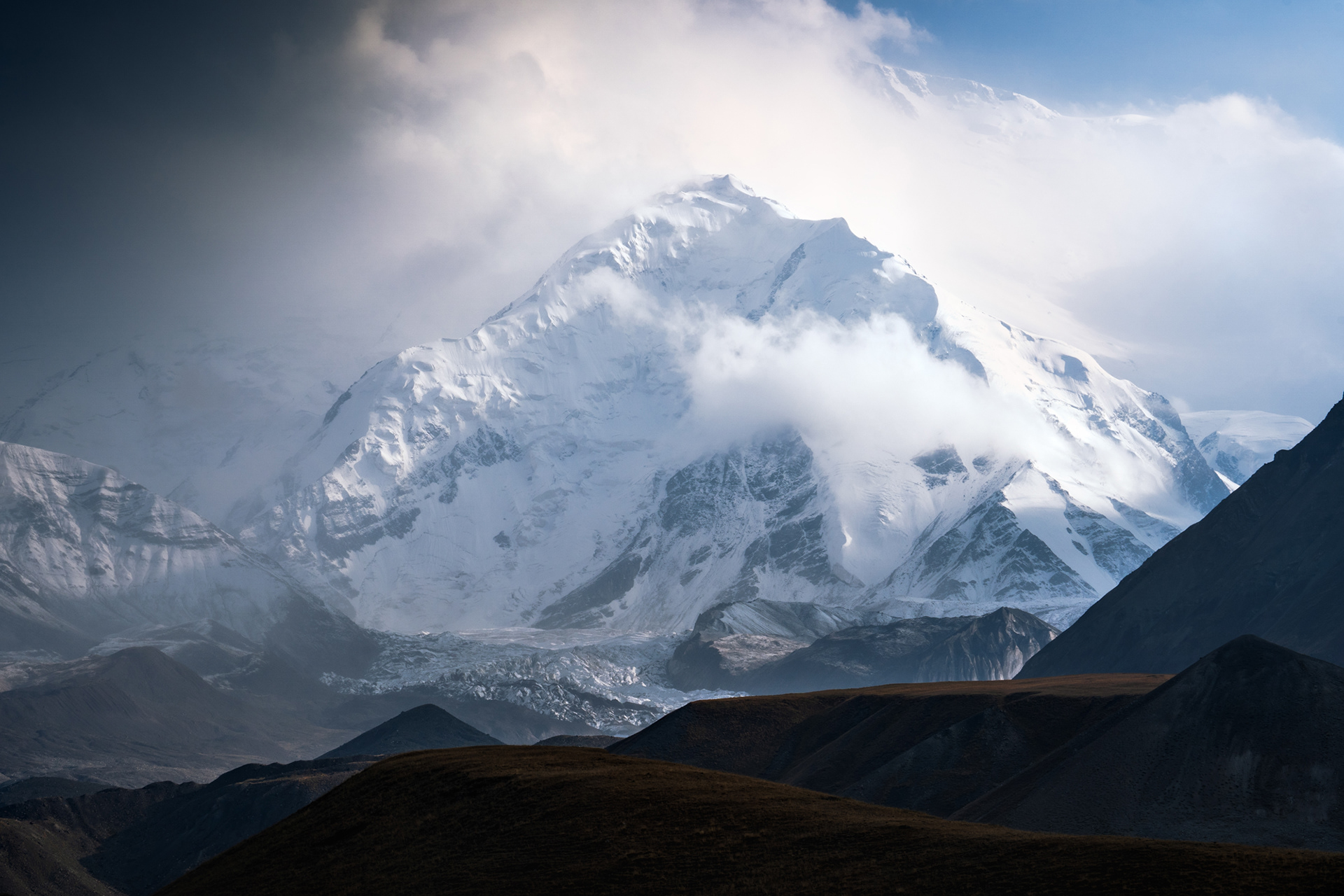
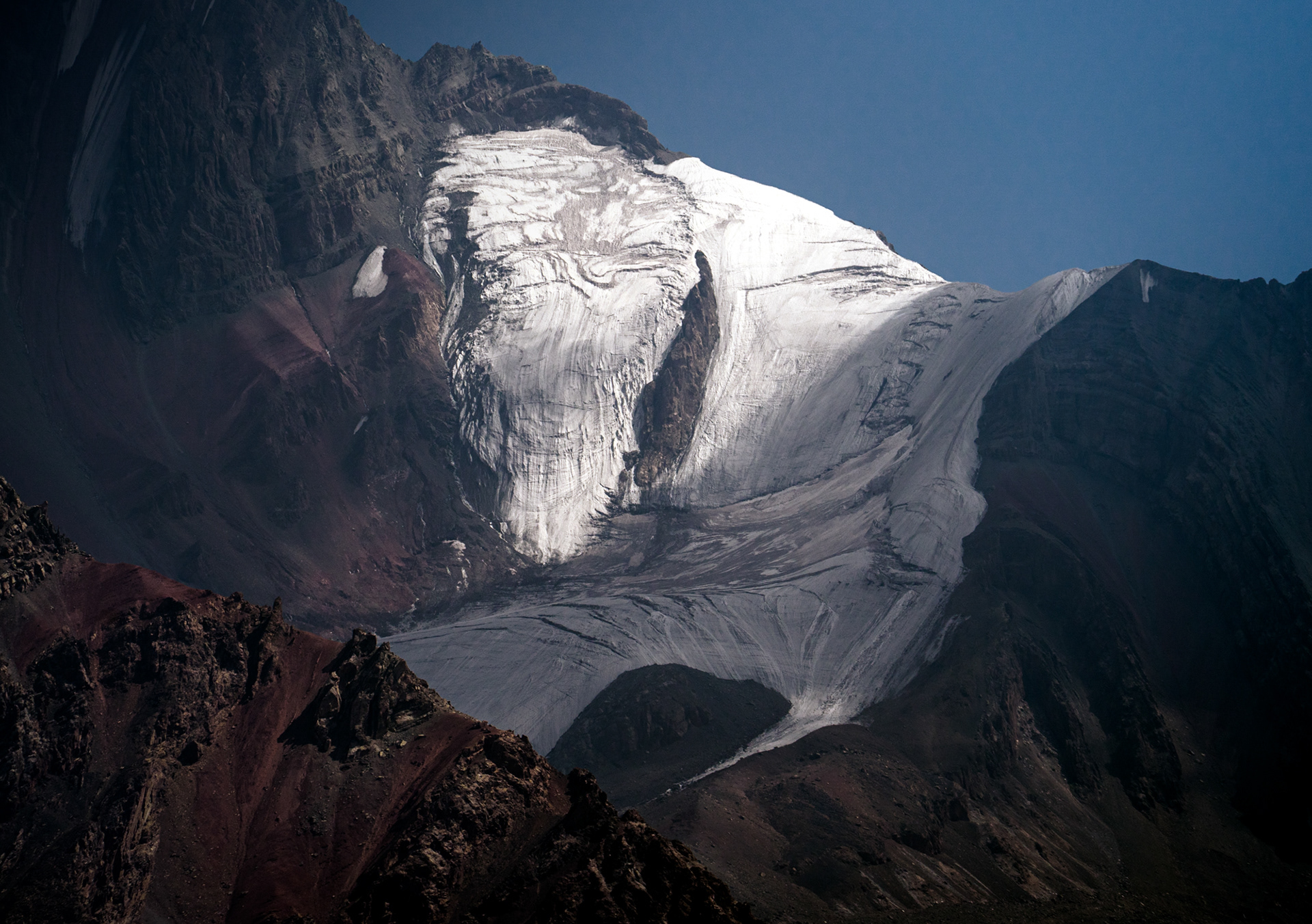
Lenin Peak, 7,134m, Lower North Face.
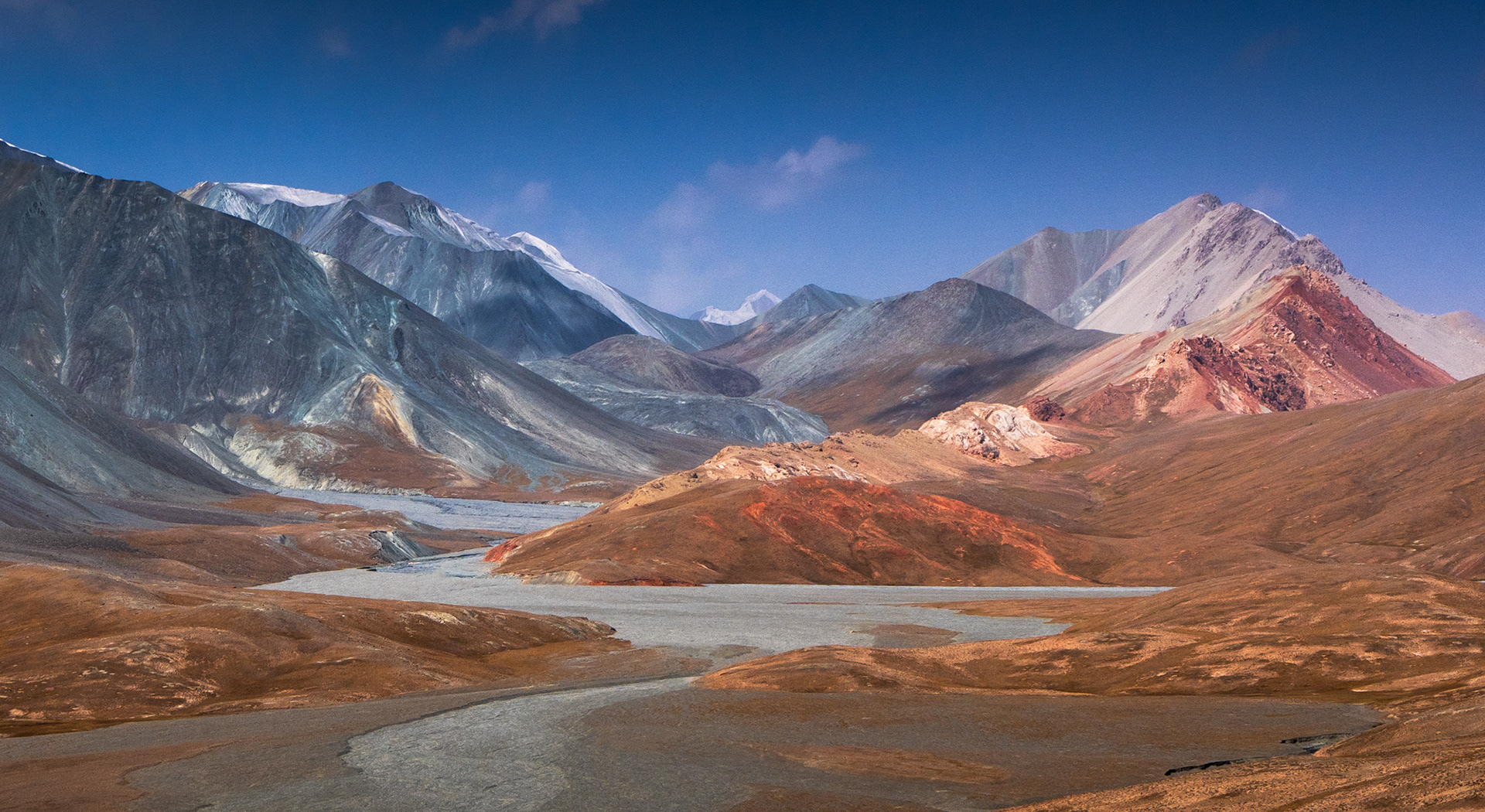
The following day, we left the Alay Valley, and began our ascent into Tajikistan. We crossed the Kyrgyz border, and after 20 kilometres and 1,000 metres of vertical gain through no-man's land, we reached the Tajik border at 4,000m, and officially entered the Gorno-Badakhshan Autonomous Region (GBAO). As we began our drive towards Lake Karakul, the kaleidoscopic landscape ranged from soft valleys to jagged peaks and glaciers on the North faces.
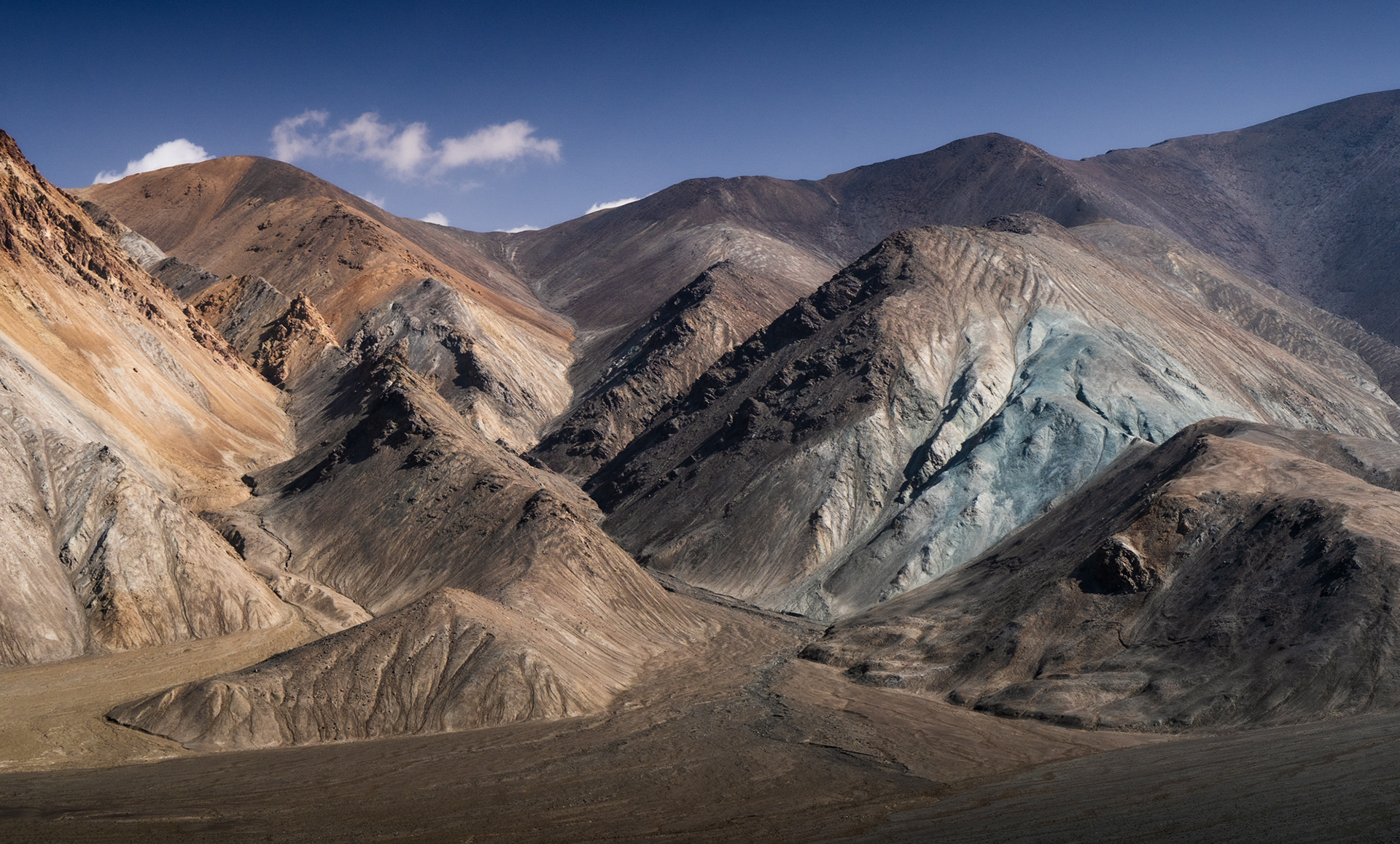
Looking East, towards China, one sees these colourful hills, more than 4,500m high.
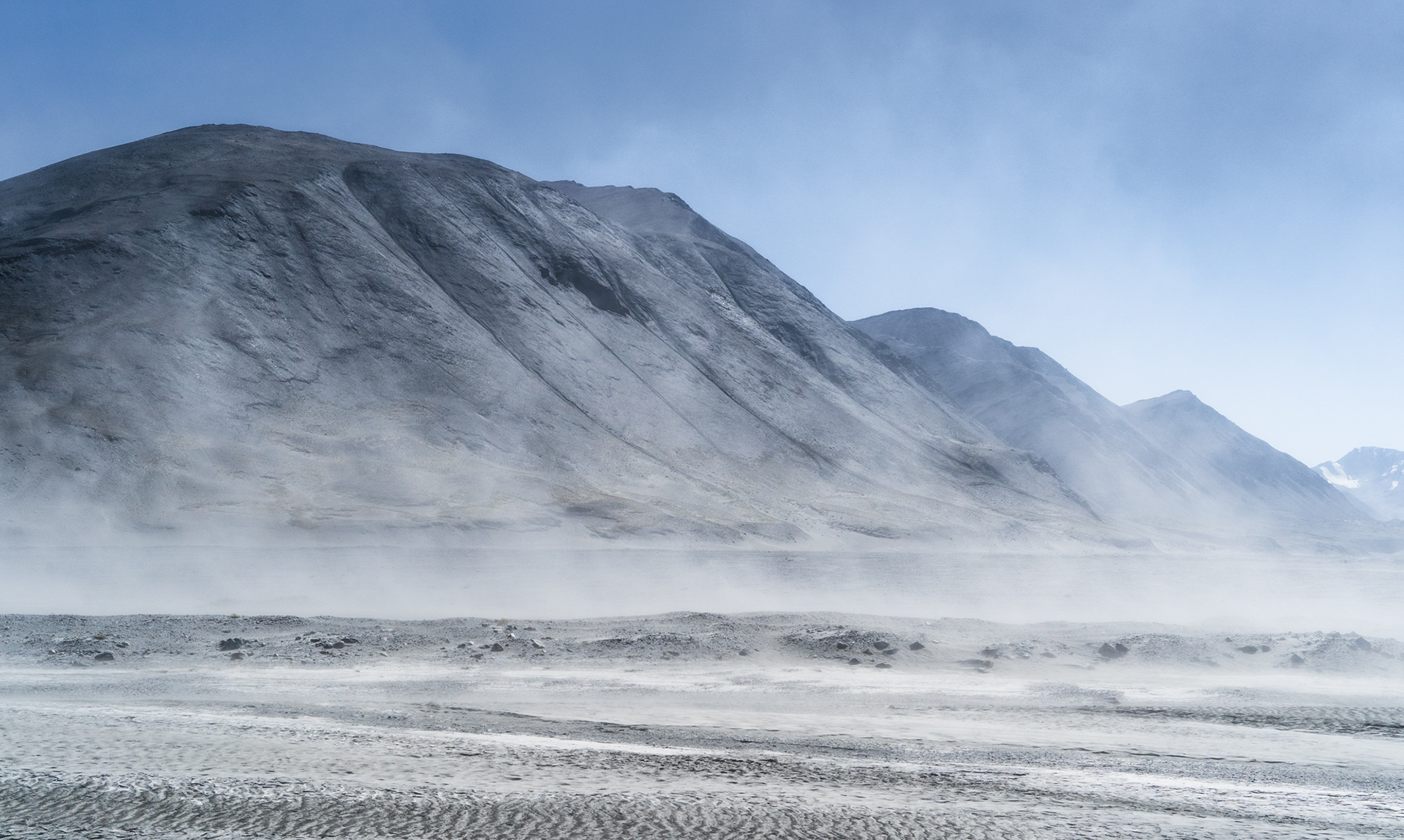
Driving a bit further, the landscape briefly turns entirely lunar. Grey, dusty, lifeless.
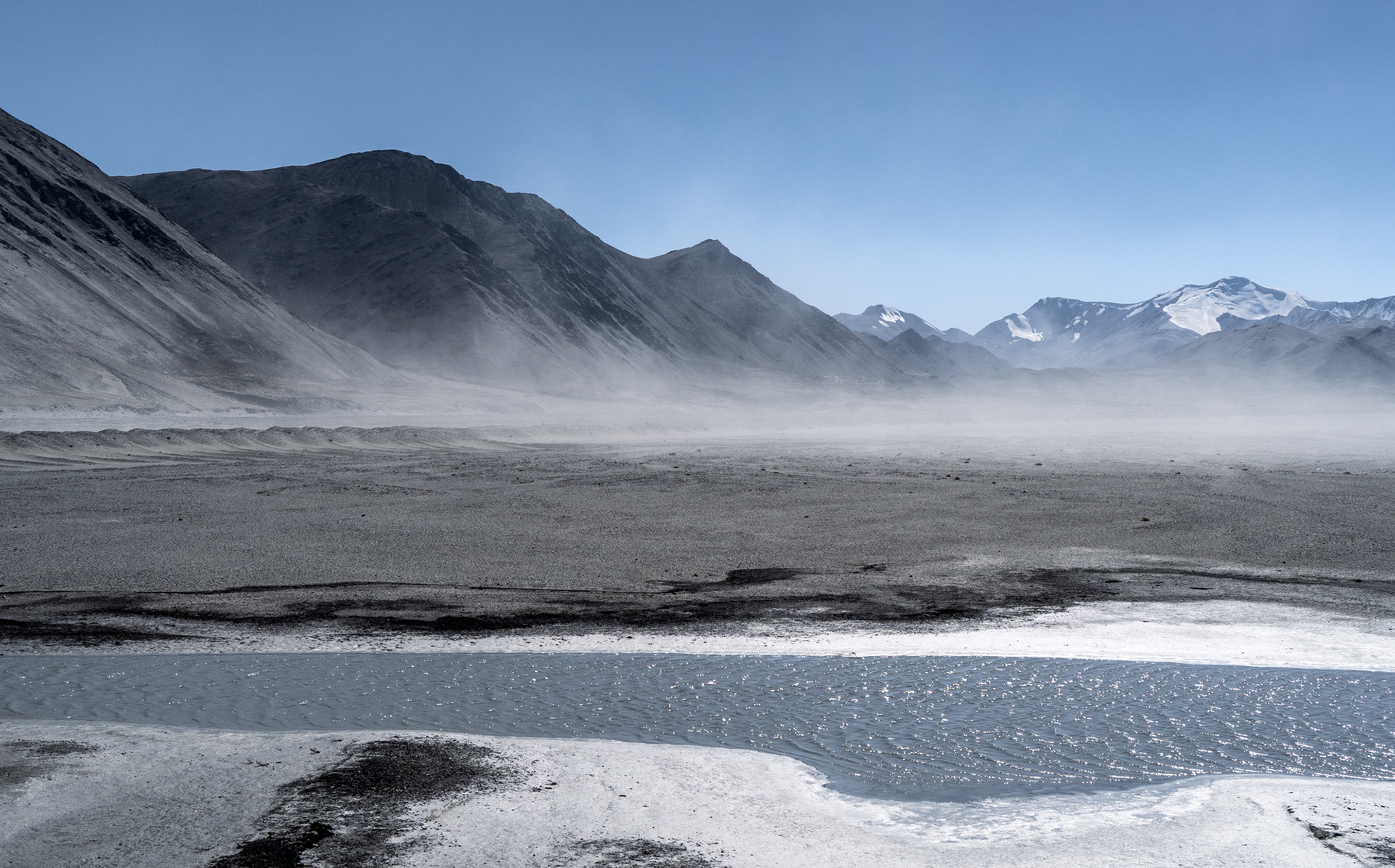
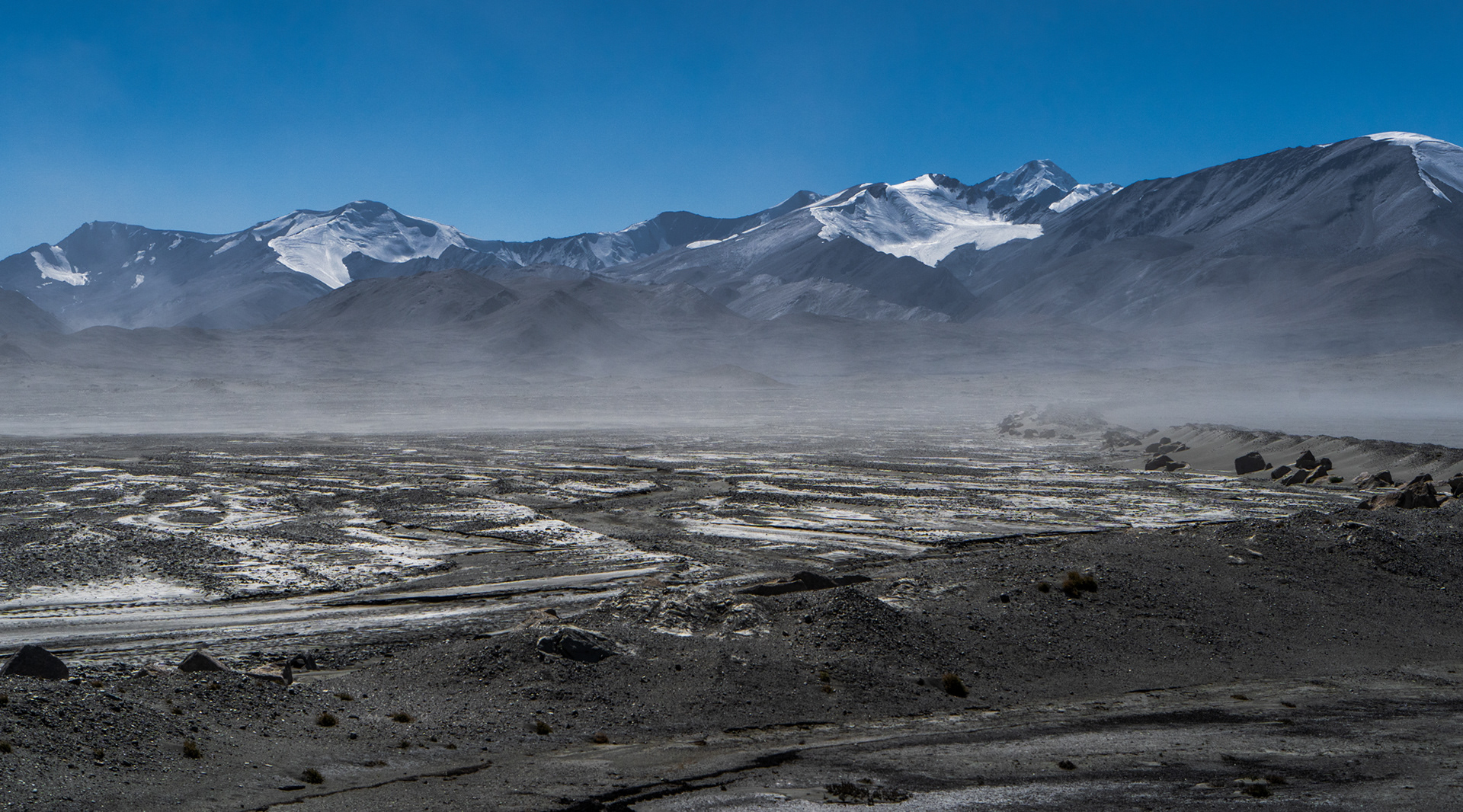
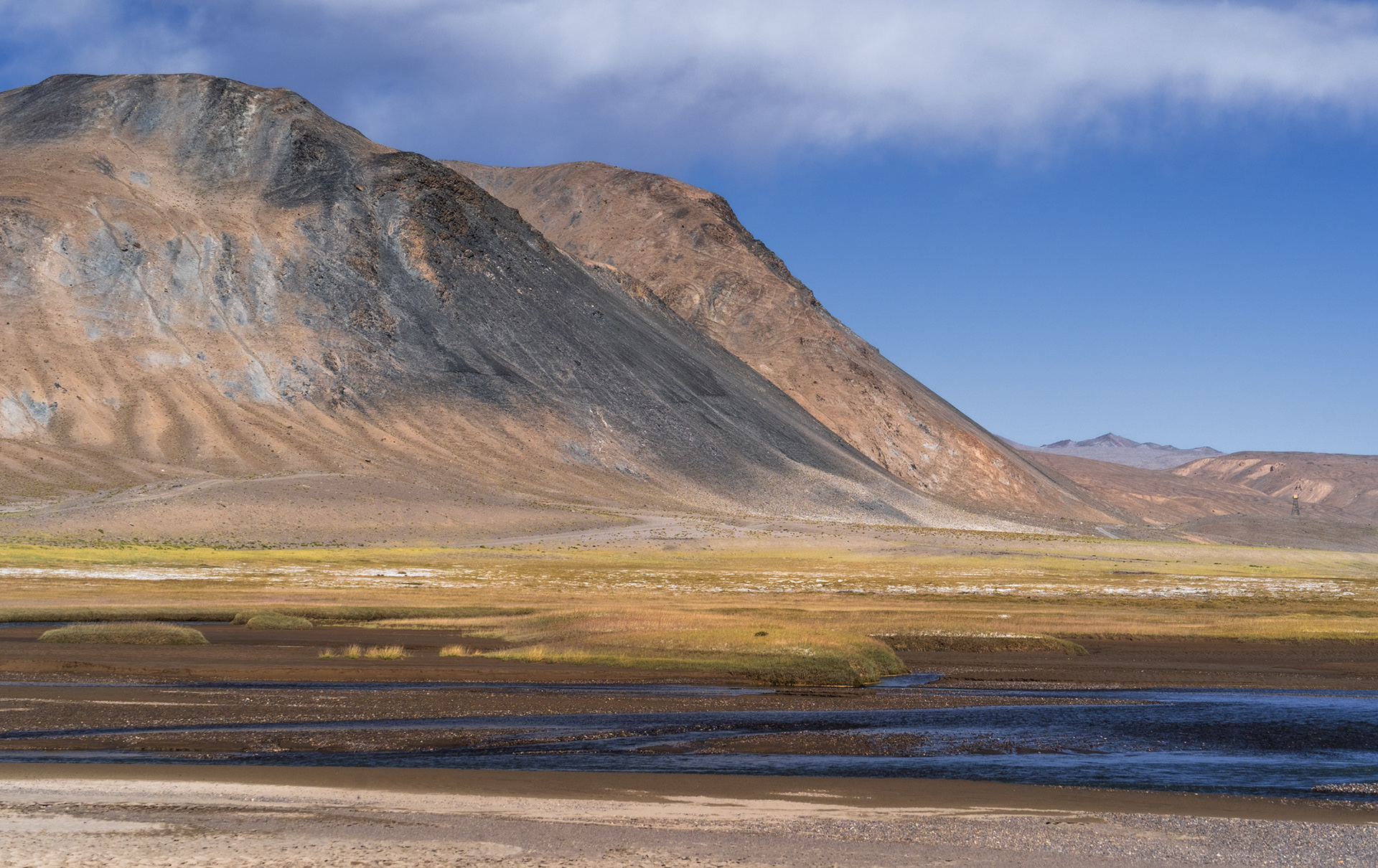
Descending lower towards Karakul Lake, colours reappear, as does the presence of water.
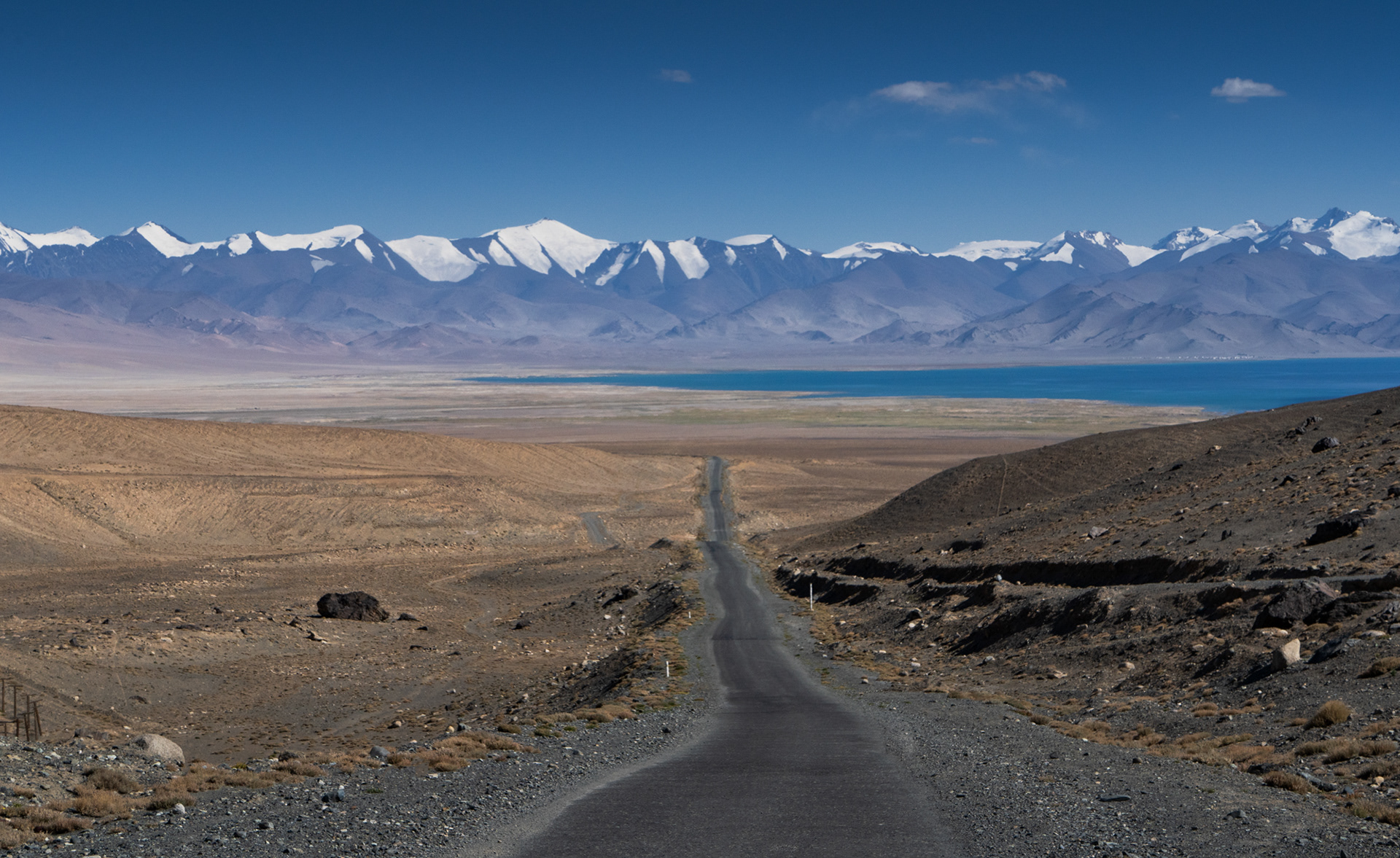
The first glimpses of Lake Karakul.
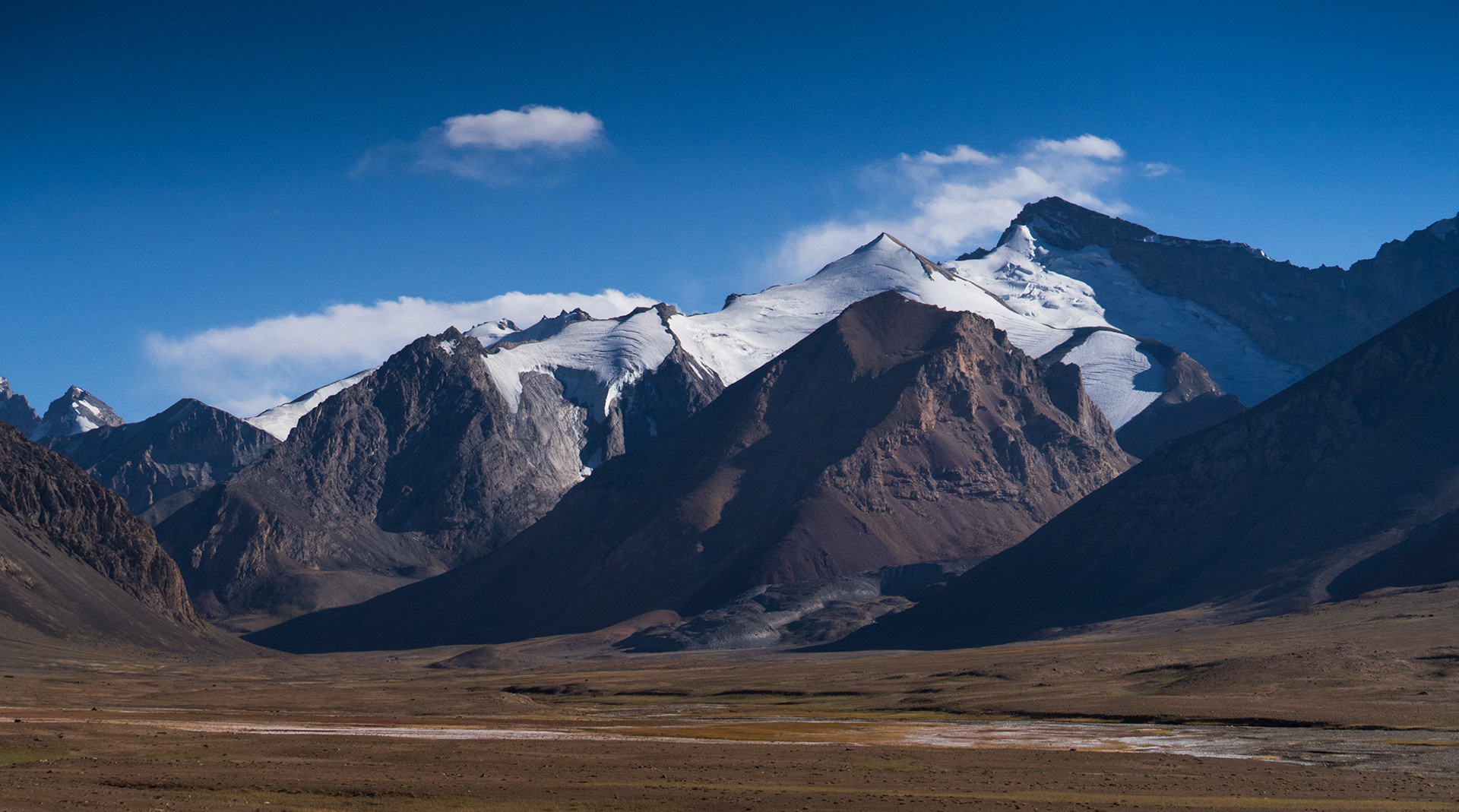
Glaciated peaks visible just before the ascent up Ak-Baital Pass, the highest point on the Pamir Highway reaching 4,655m.
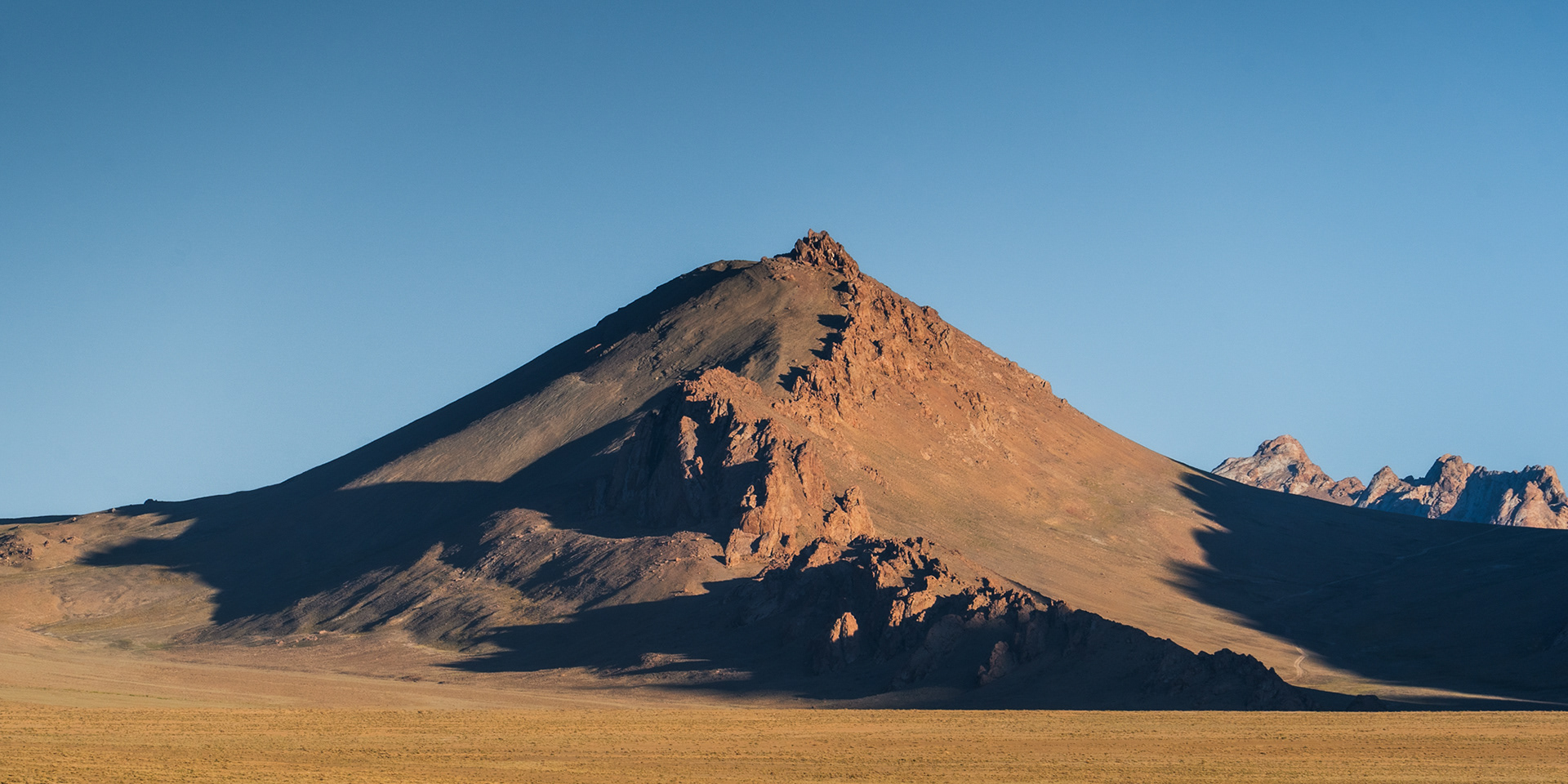
Typical geology of the high Pamir plateaus: wide, flat valleys, and smooth hills terminating in jagged ridges.
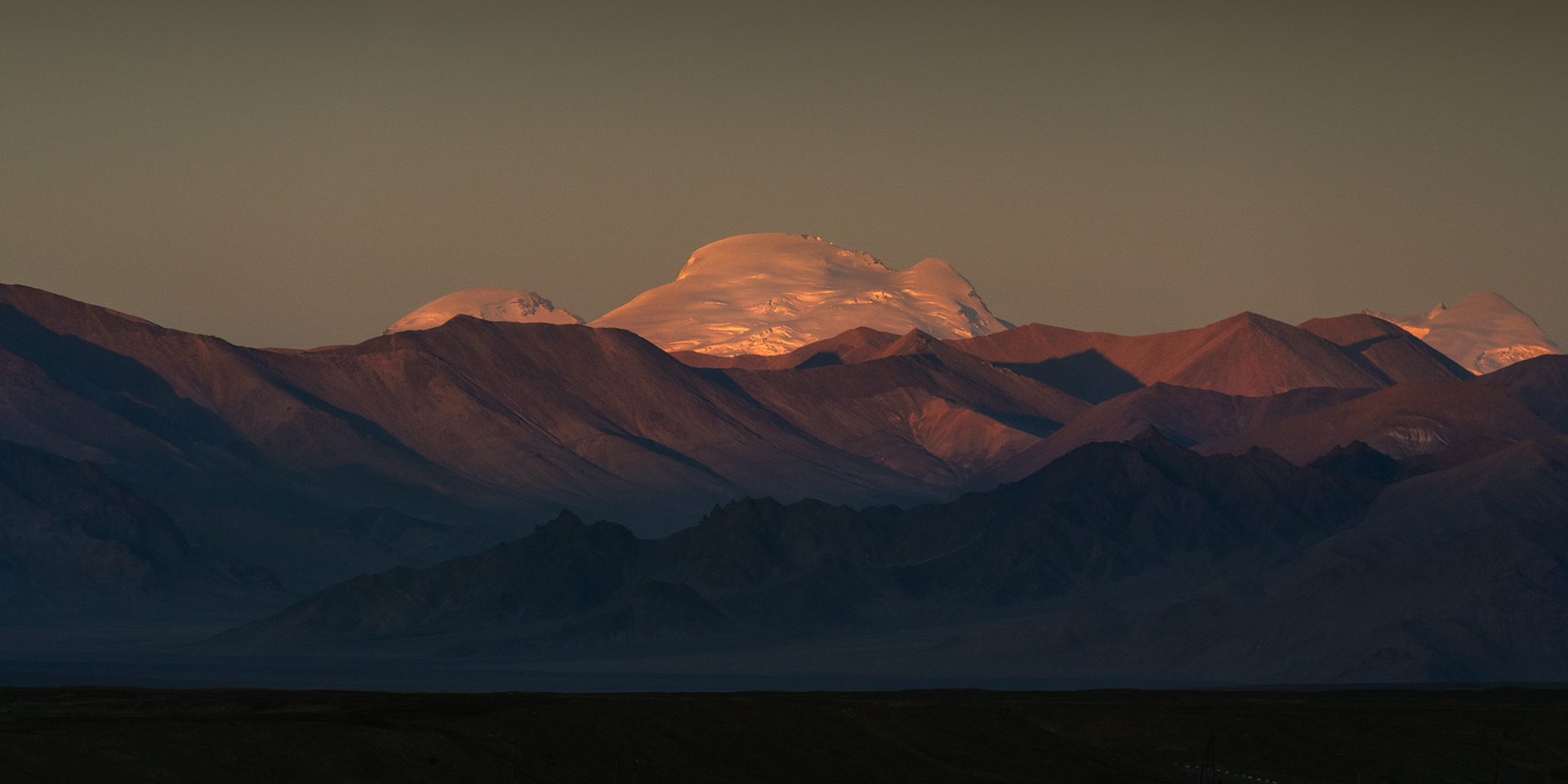
We arrived in Murghob, the local capital, a town of just over 4,000 people, a few hours later. As the sun was setting, we caught an unexpected glimpse of Muztagh Ata, a 7,546m ice giant in China's Xinjiang, more than 70 kilometres away.
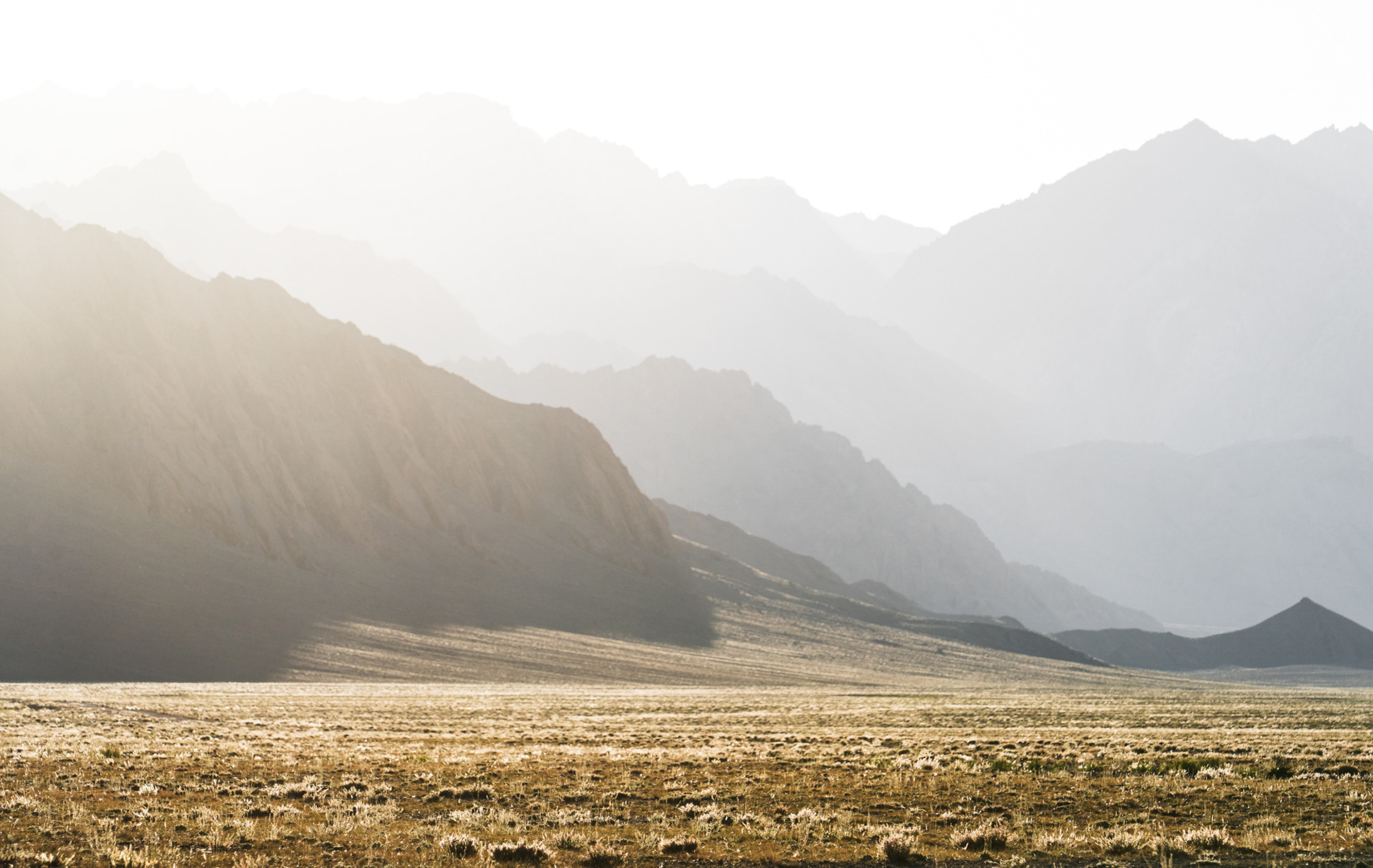
The next morning, we set out for Shorbulak Observatory. an abandoned Soviet station hidden in the Great Pamir, a couple of hour's detour from the M41.
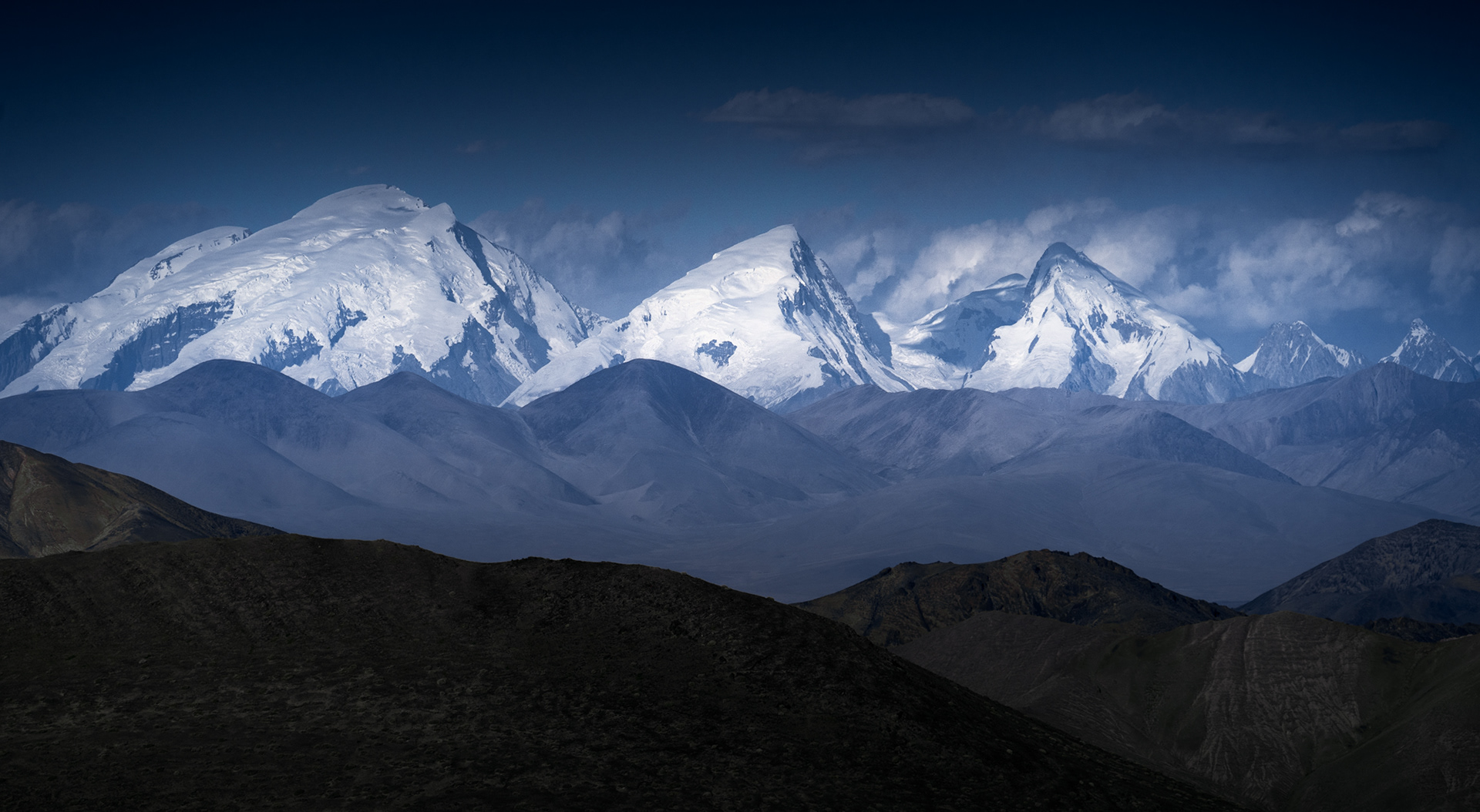
Driving towards the abandoned Shorbulak Observatory in the depths of the High Pamir, we caught a glimpse of something spectacular: Muztagh Ata, 'Icy Father', a 7,546m giant rising almost four kilometres above Xinjiang - more than 90 kilometres away from where we were standing. Together with the neighbouring Kongur Tagh, these two mountains are considered the northern terminus of the massive mountain chain consisting of the Himalayas, the Karakoram, the Hindu Kush, and the Pamir.
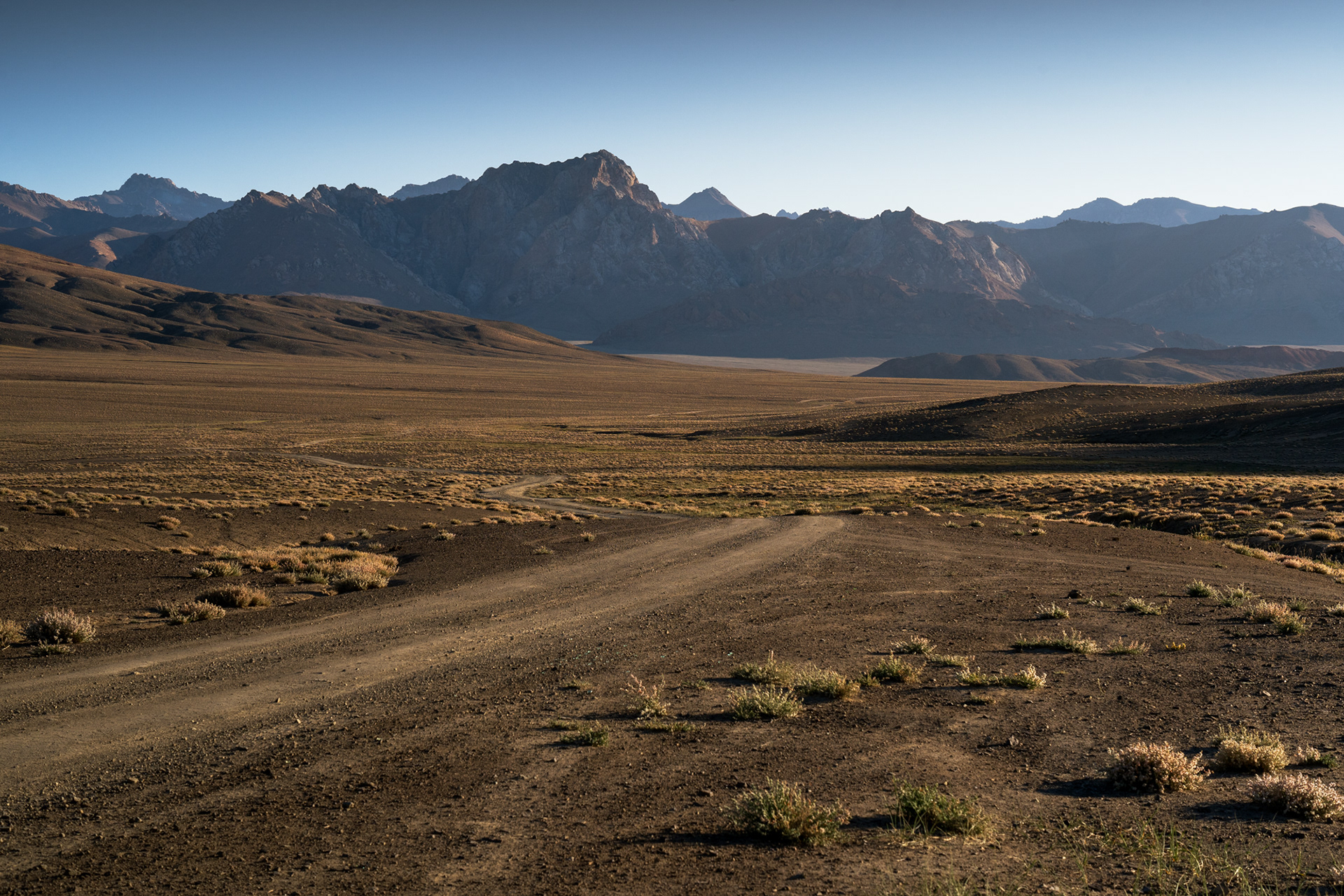
The vast landscape of the Greater Pamir, as seen from Shorbulak Observatory.
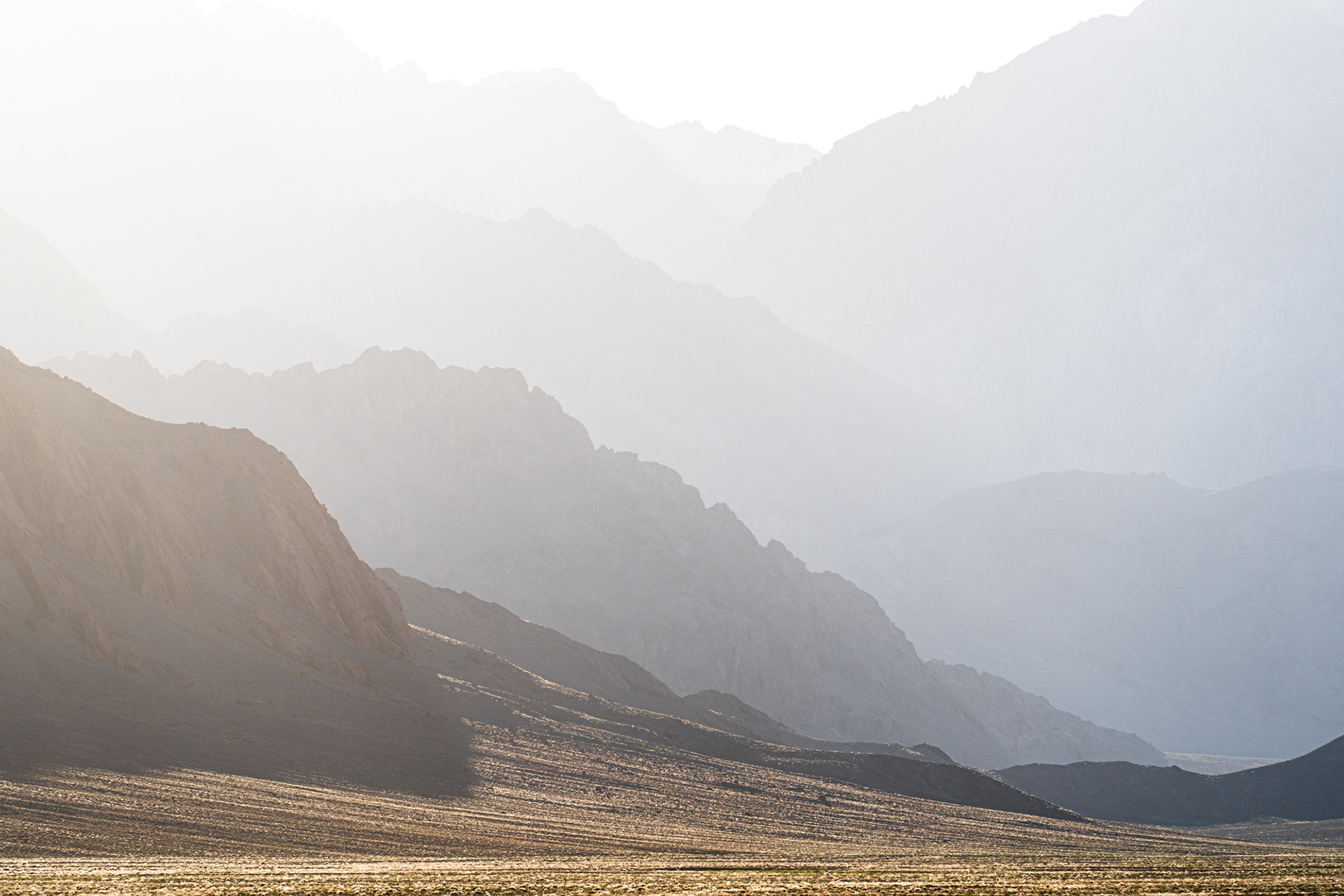
Layers upon layers of jagged peaks in the Greater Pamir of Tajikistan.
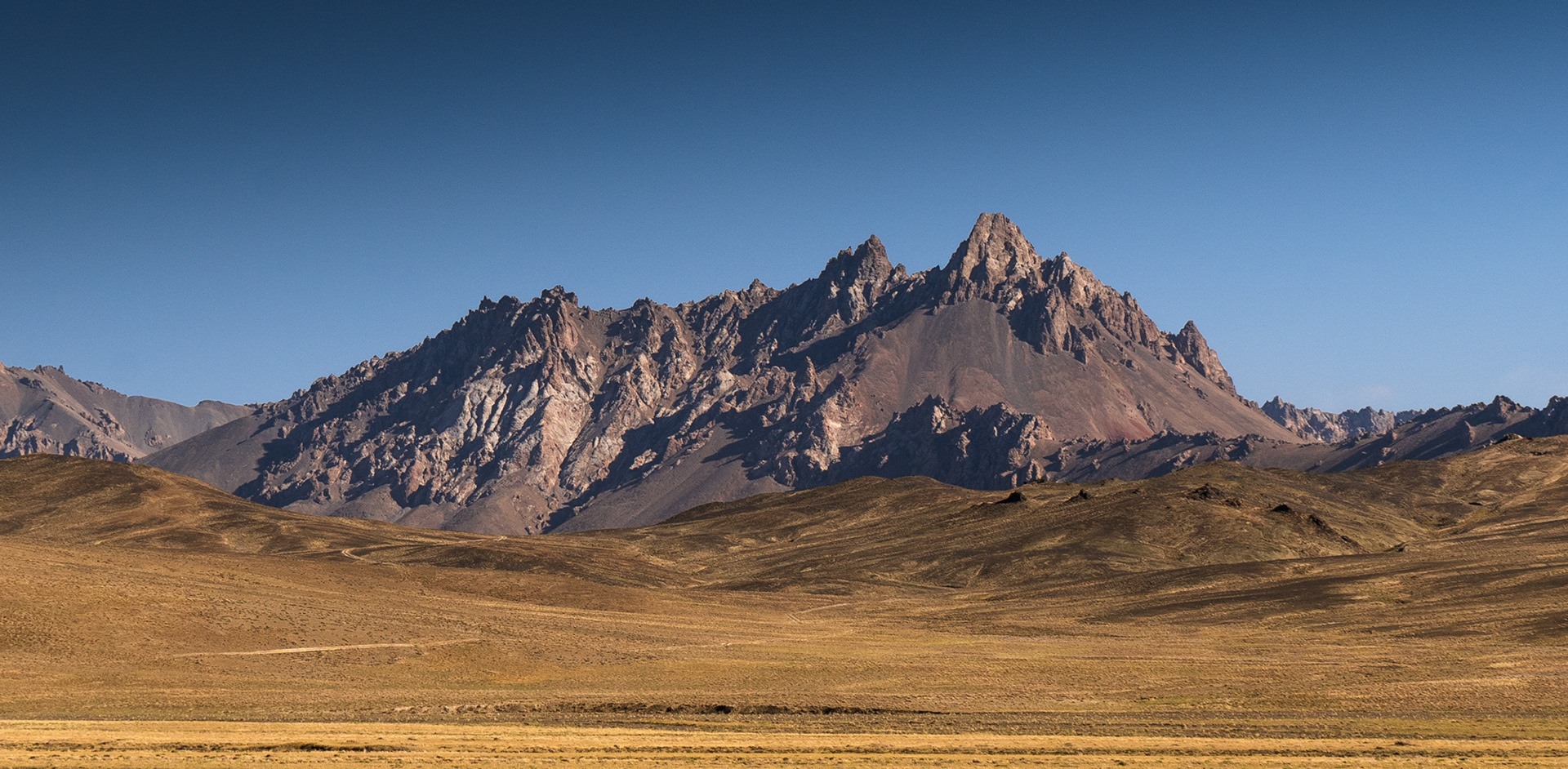
Faint dirt tracks disappear into the seemingly endless High Pamir.
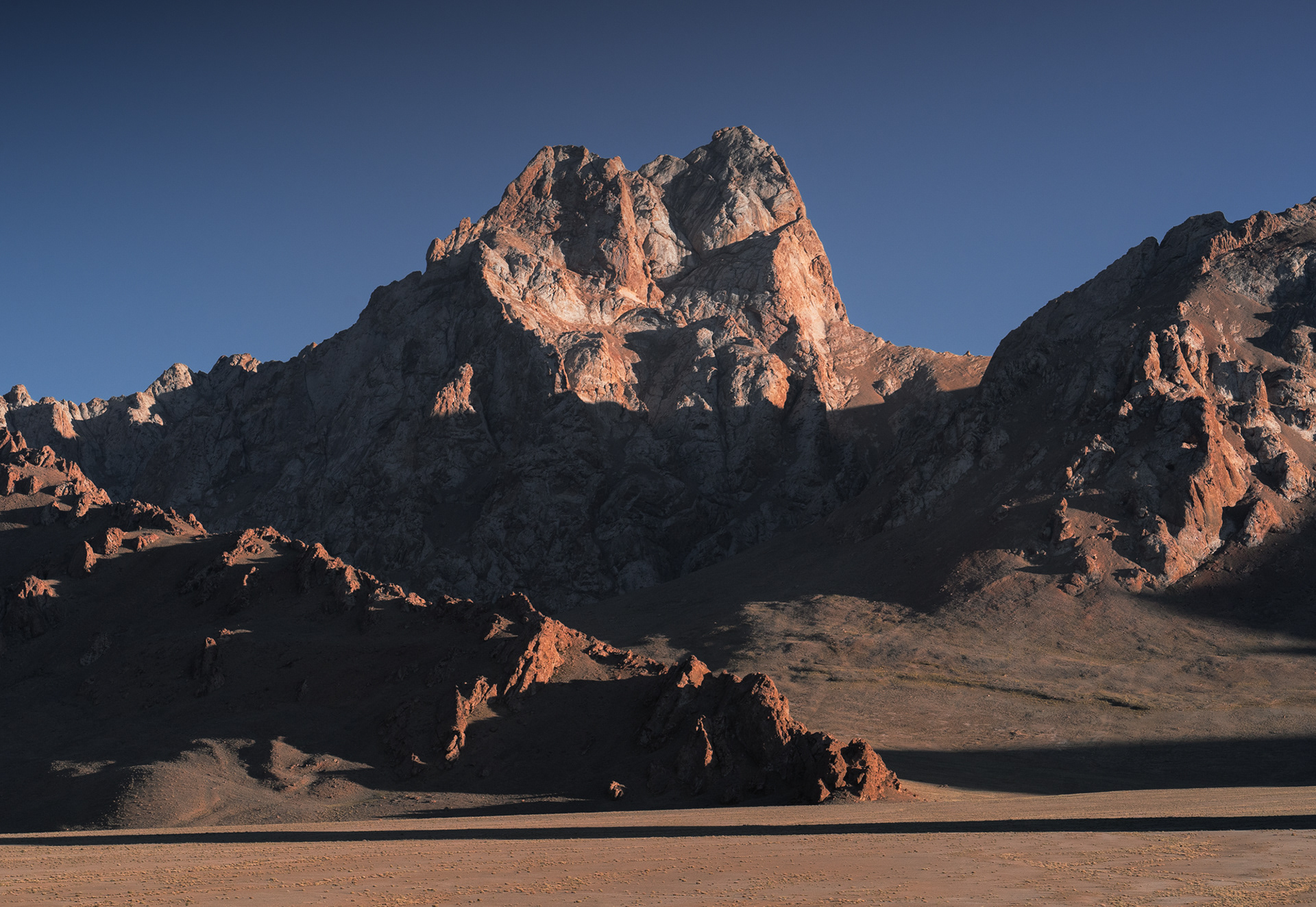
Jagged peaks rise from the flat valley floor. A typical condition of the landscape in this part of Eastern Tajikistan.
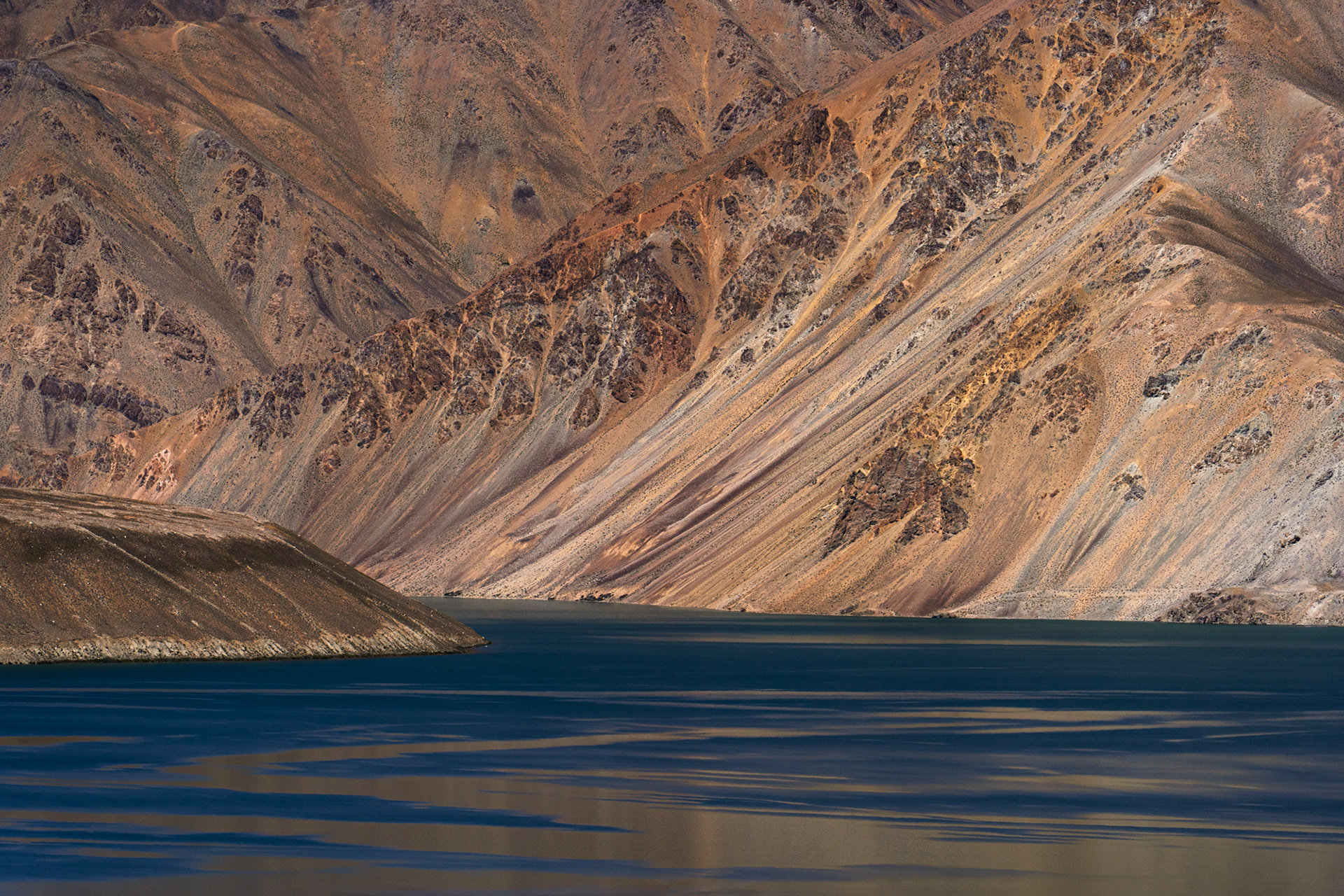
A short detour to Yashilkul Lake.
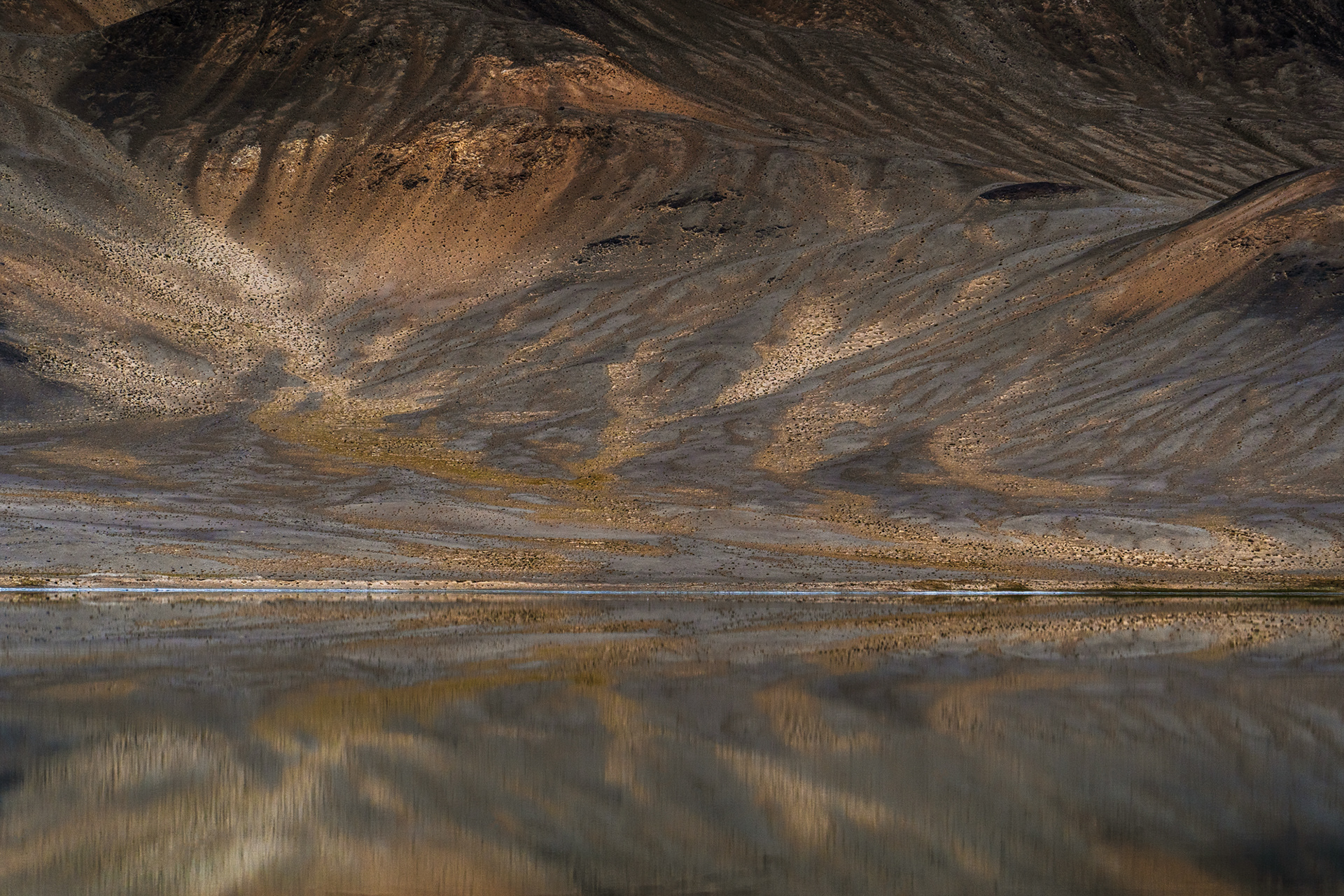
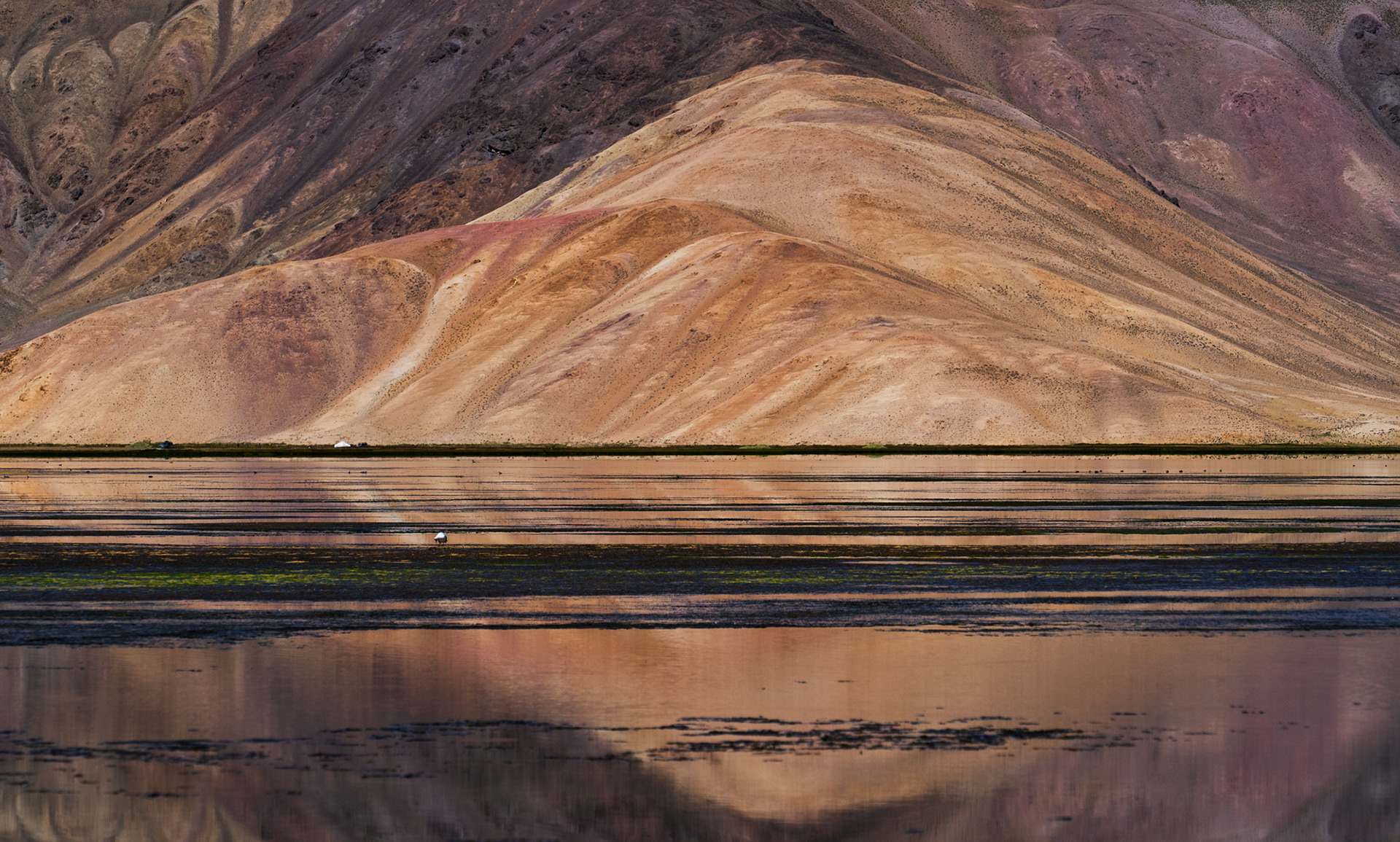
Bulunkul Lake
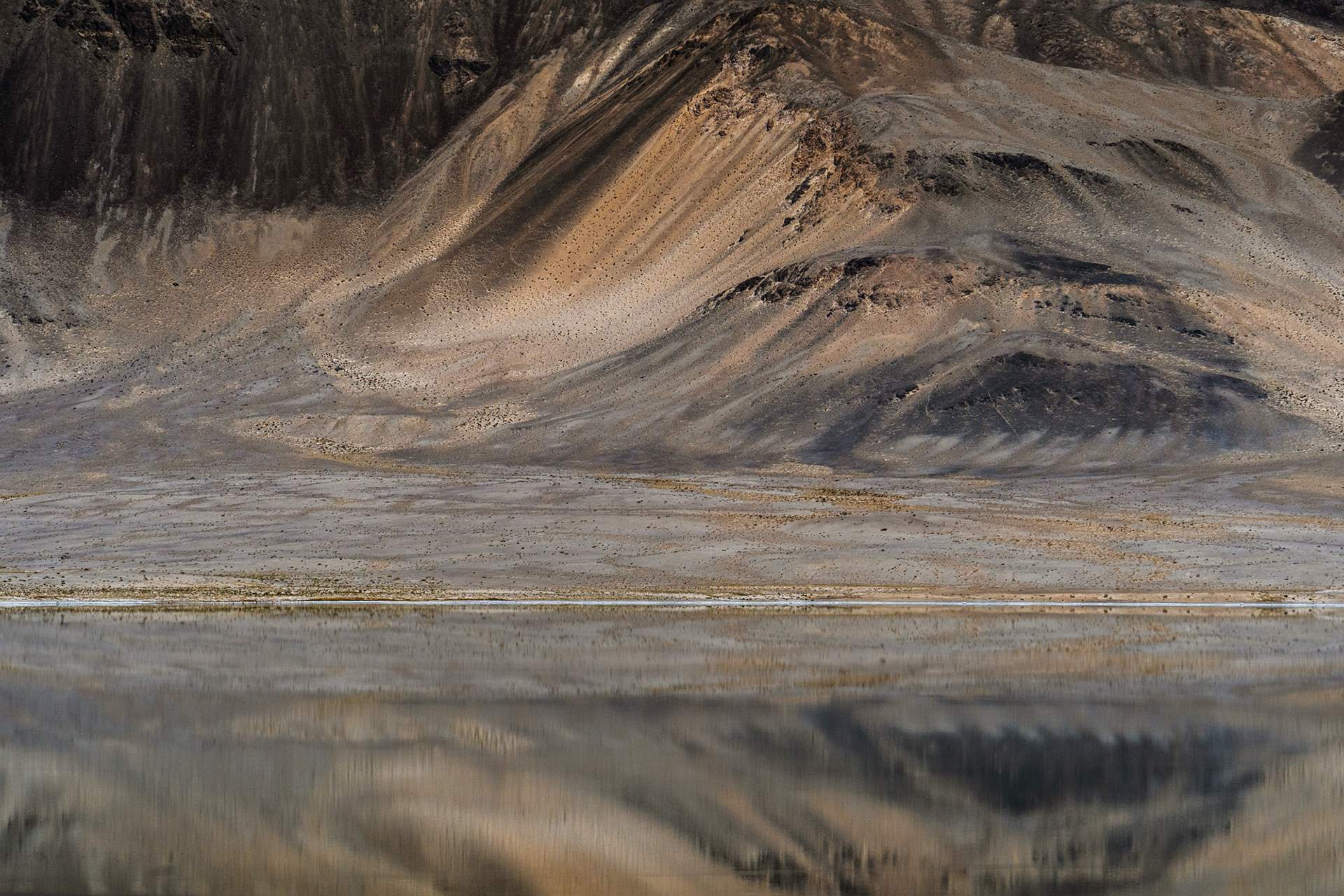
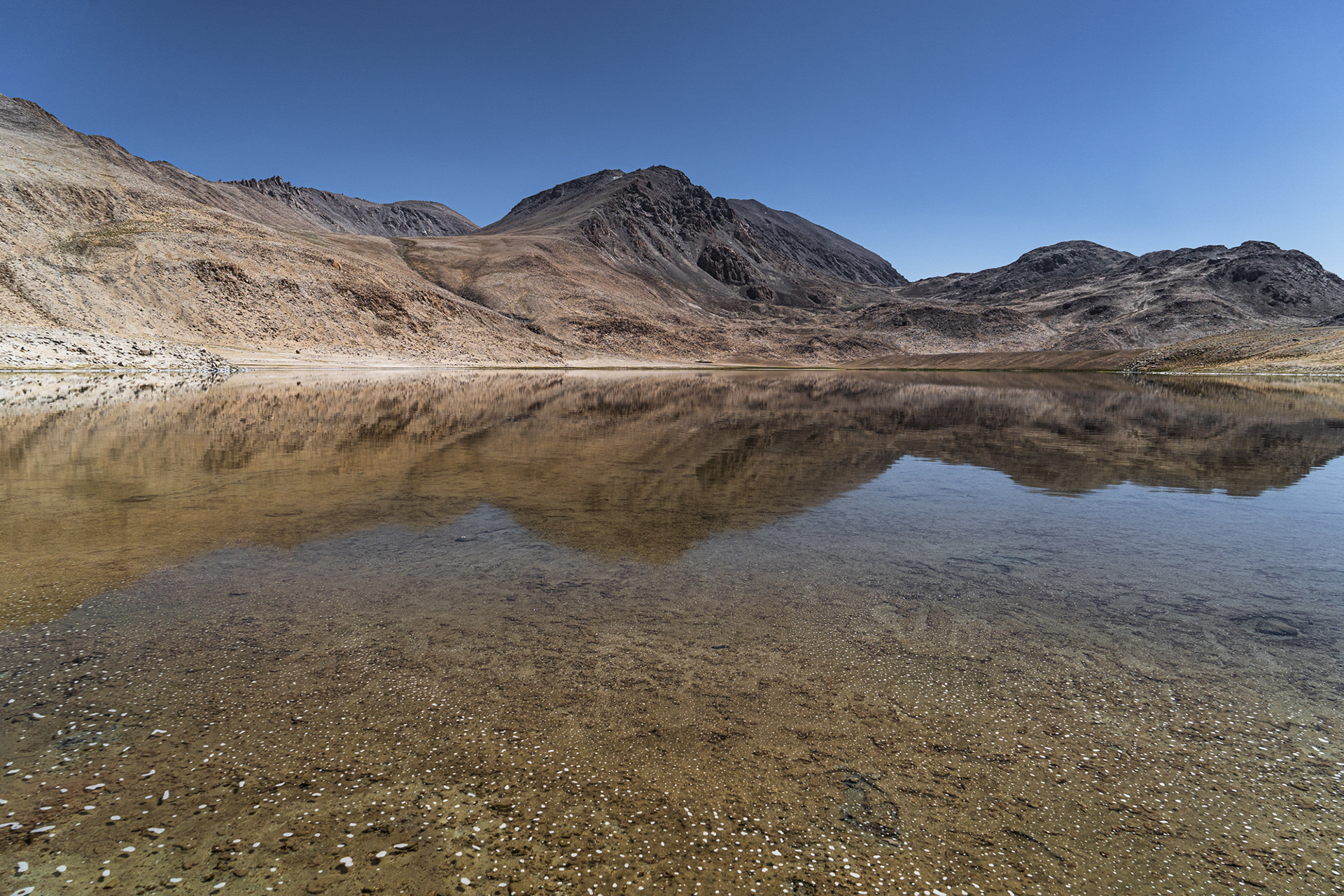
A saline lake in one of the most desolate corners of the Pamir we visited.
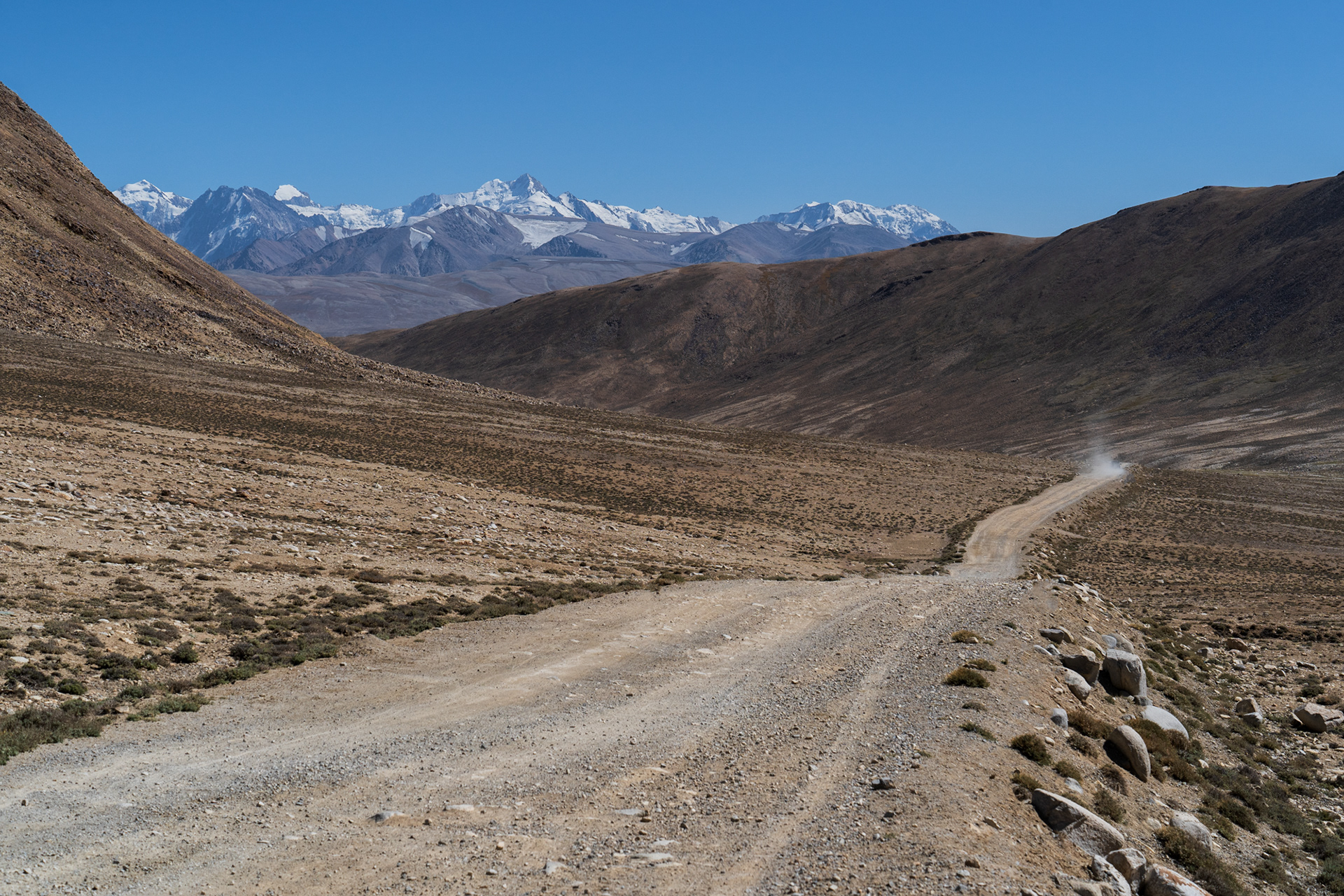
Turning off the main Pamir Highway, the M41, we turned South towards the Wakhan Valley, towards Afghanistan, whose snowcapped peaks are visible in the photo. We will spend the next two days driving just a few hundred metres from Afghanistan.
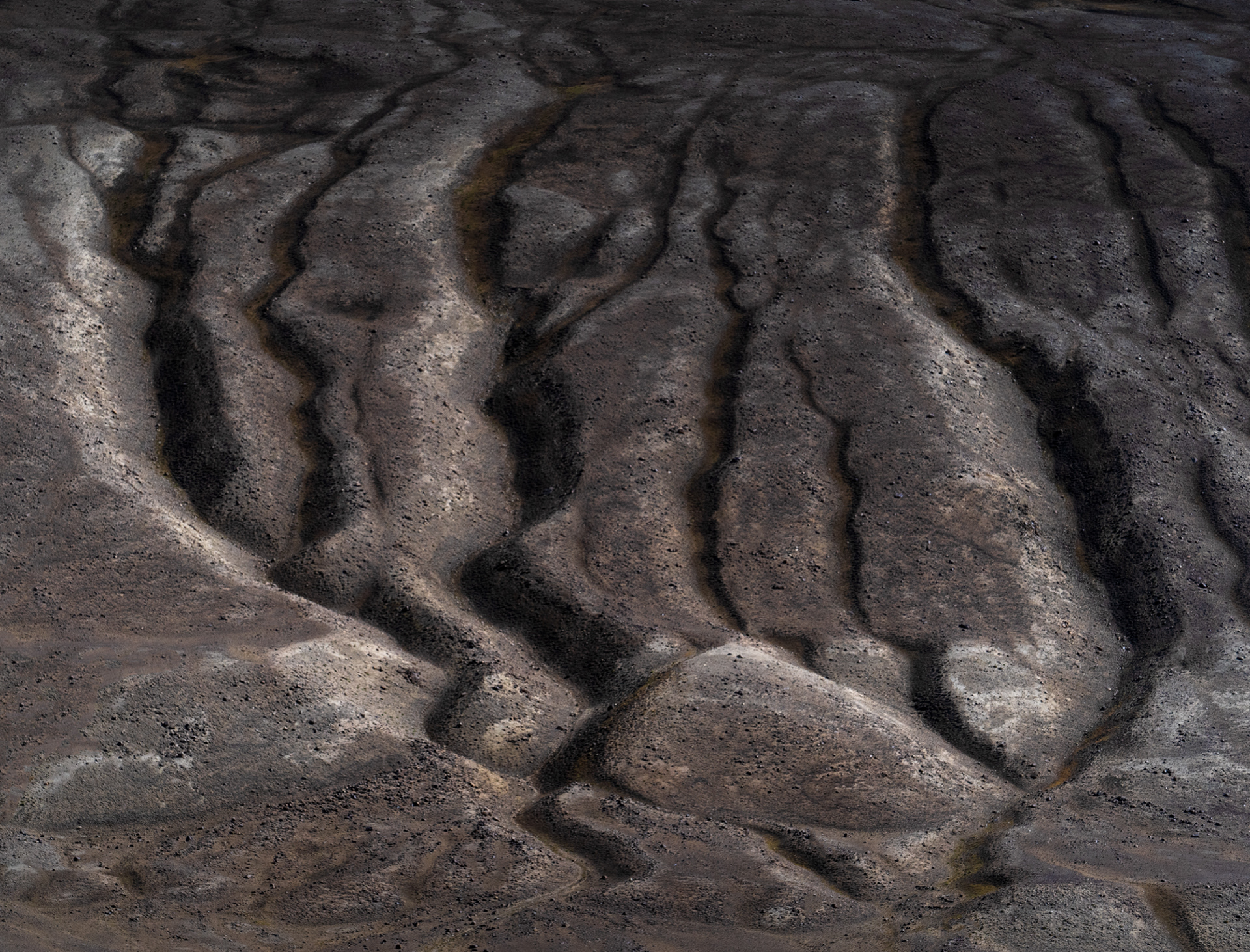
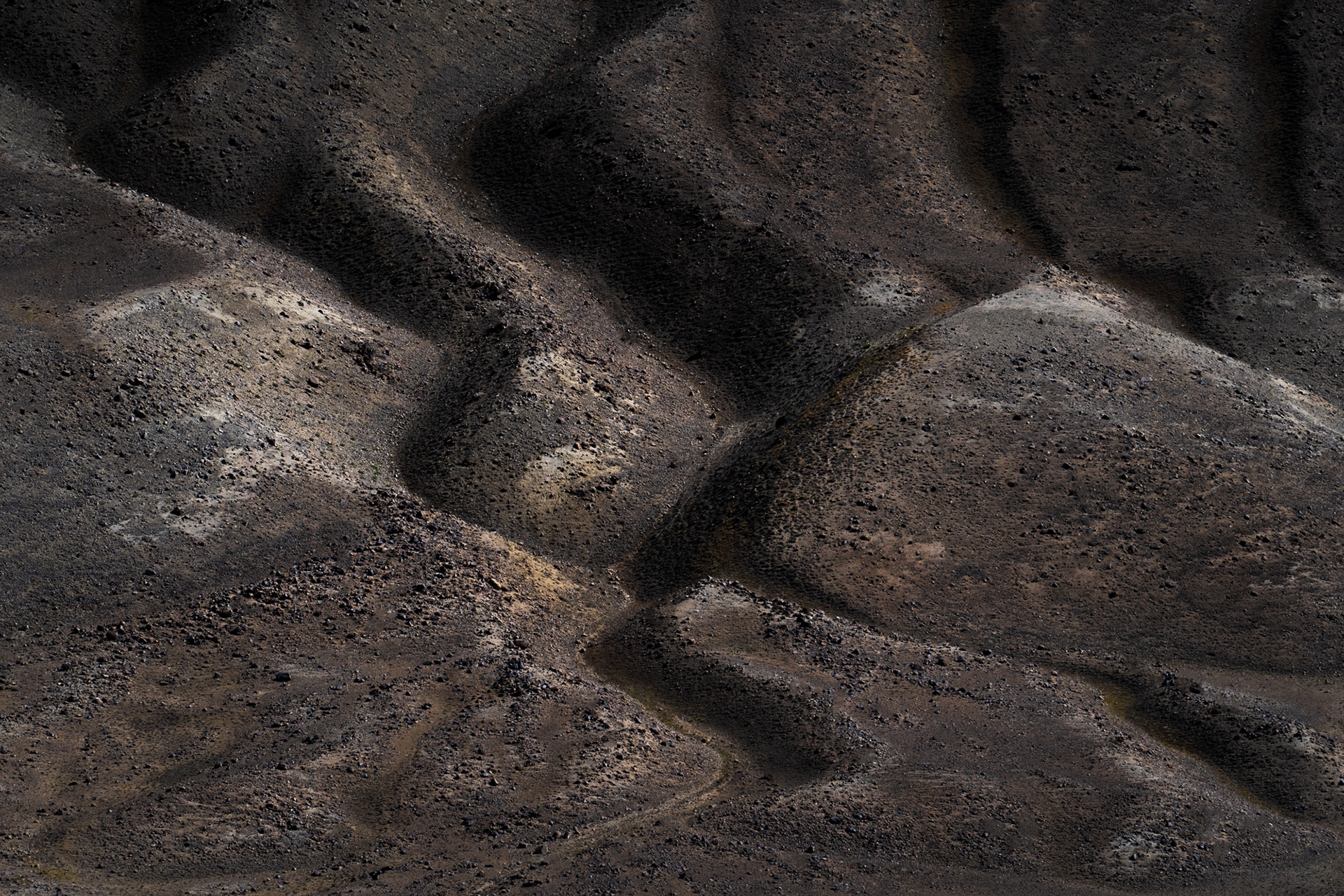
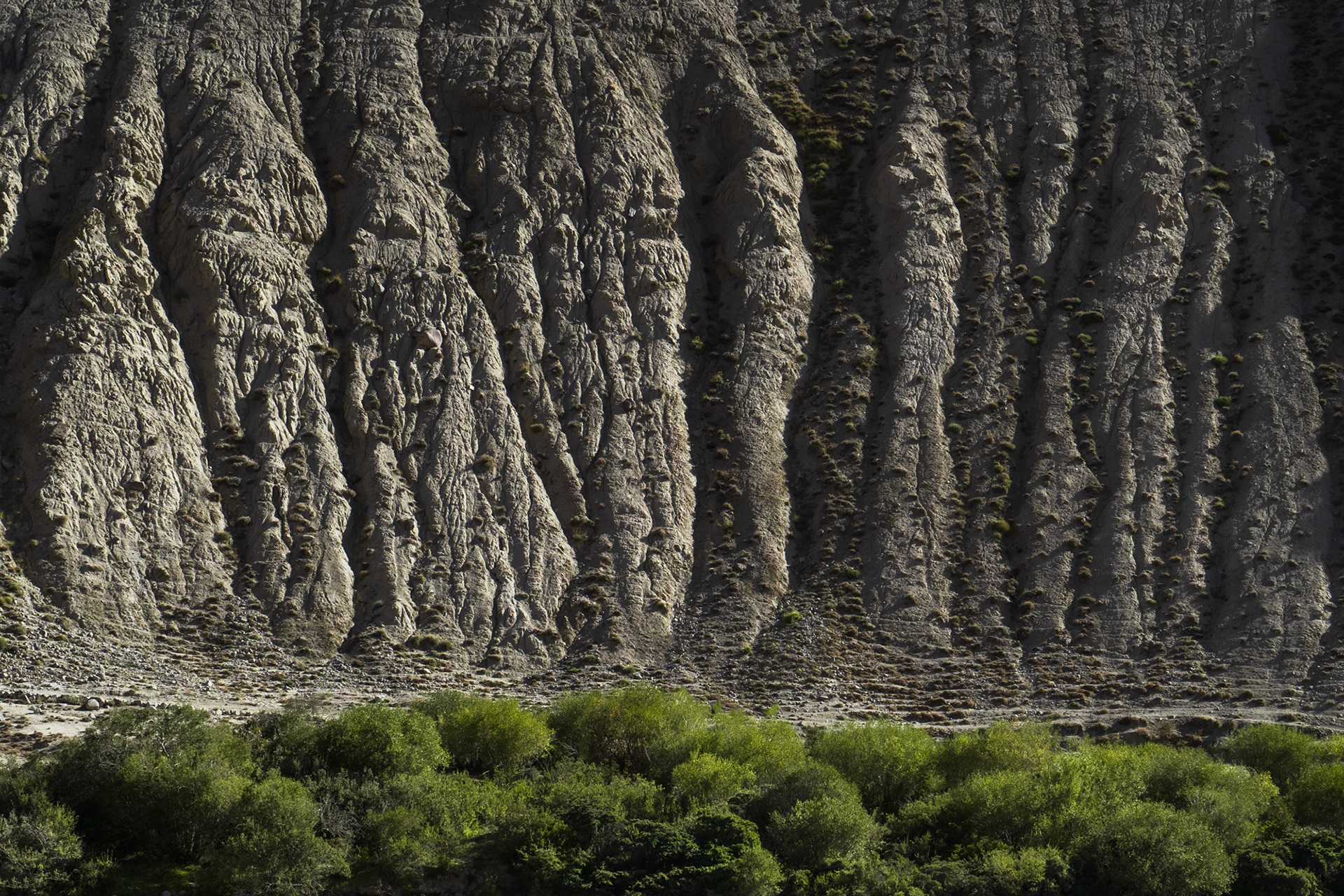
Mere dozens of metres away, the textured lands of Afghanistan rise above the Panj River.
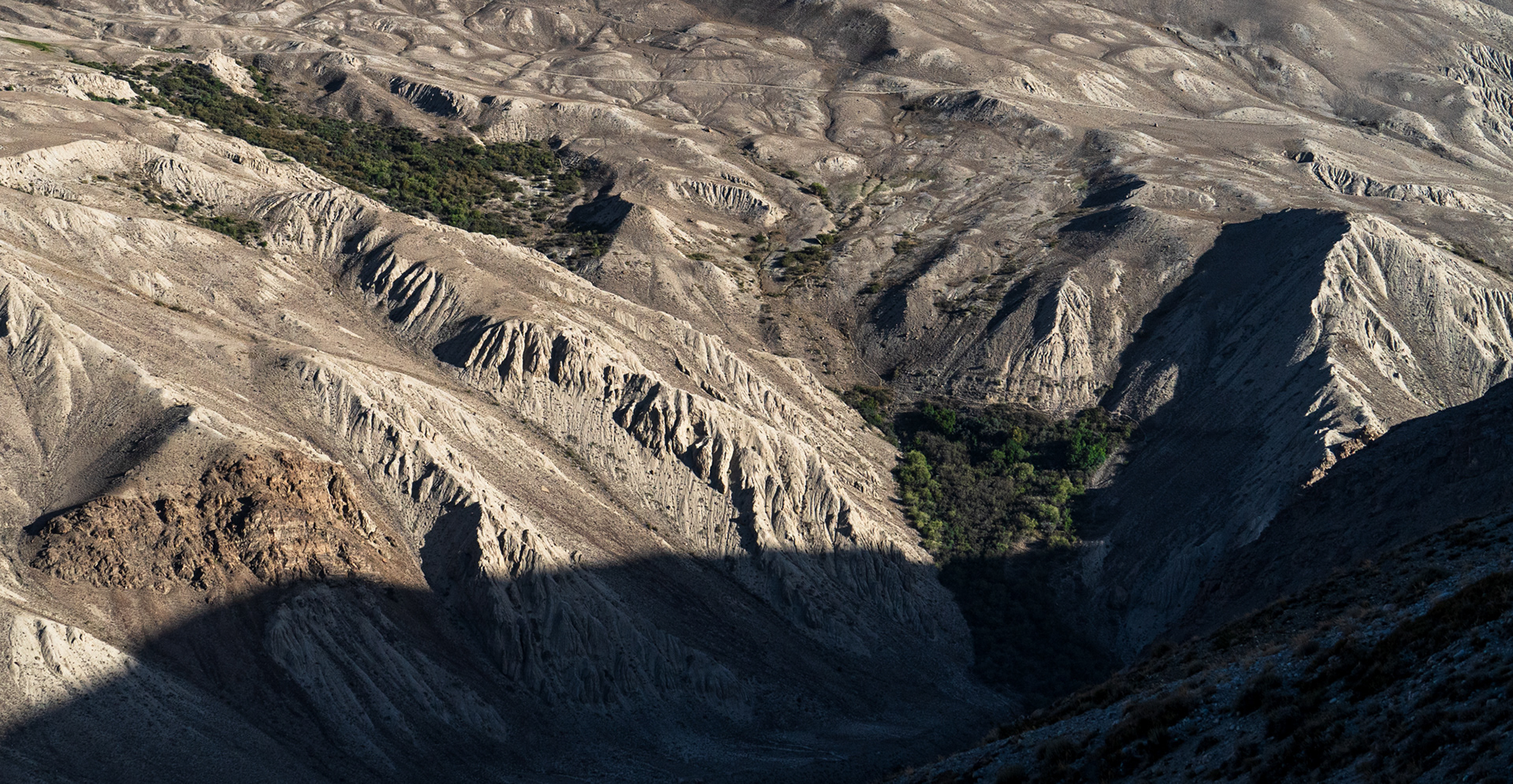
The rugged badlands of Afghanistan.
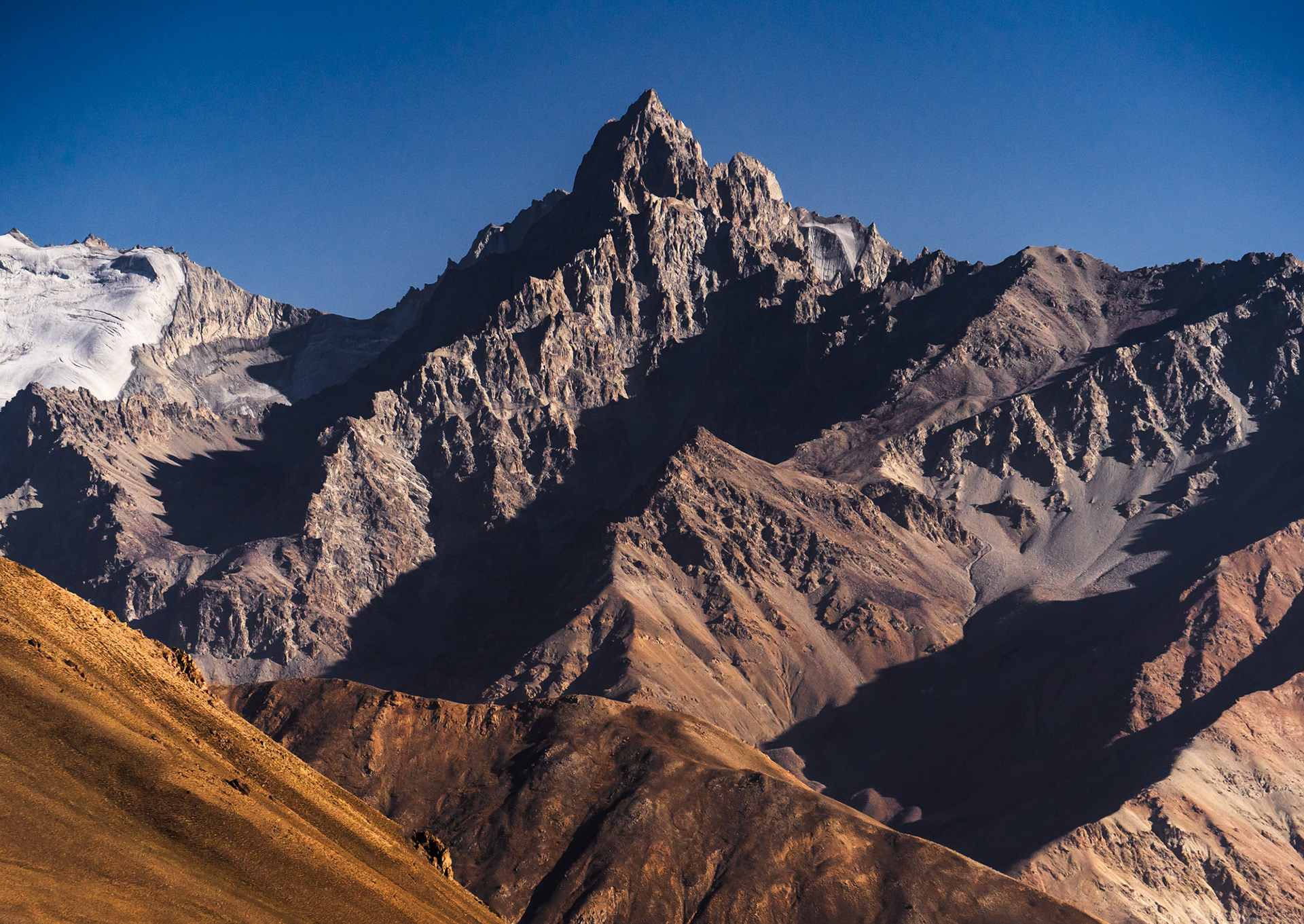
Unnamed peaks such as this one rise to 5,300m.
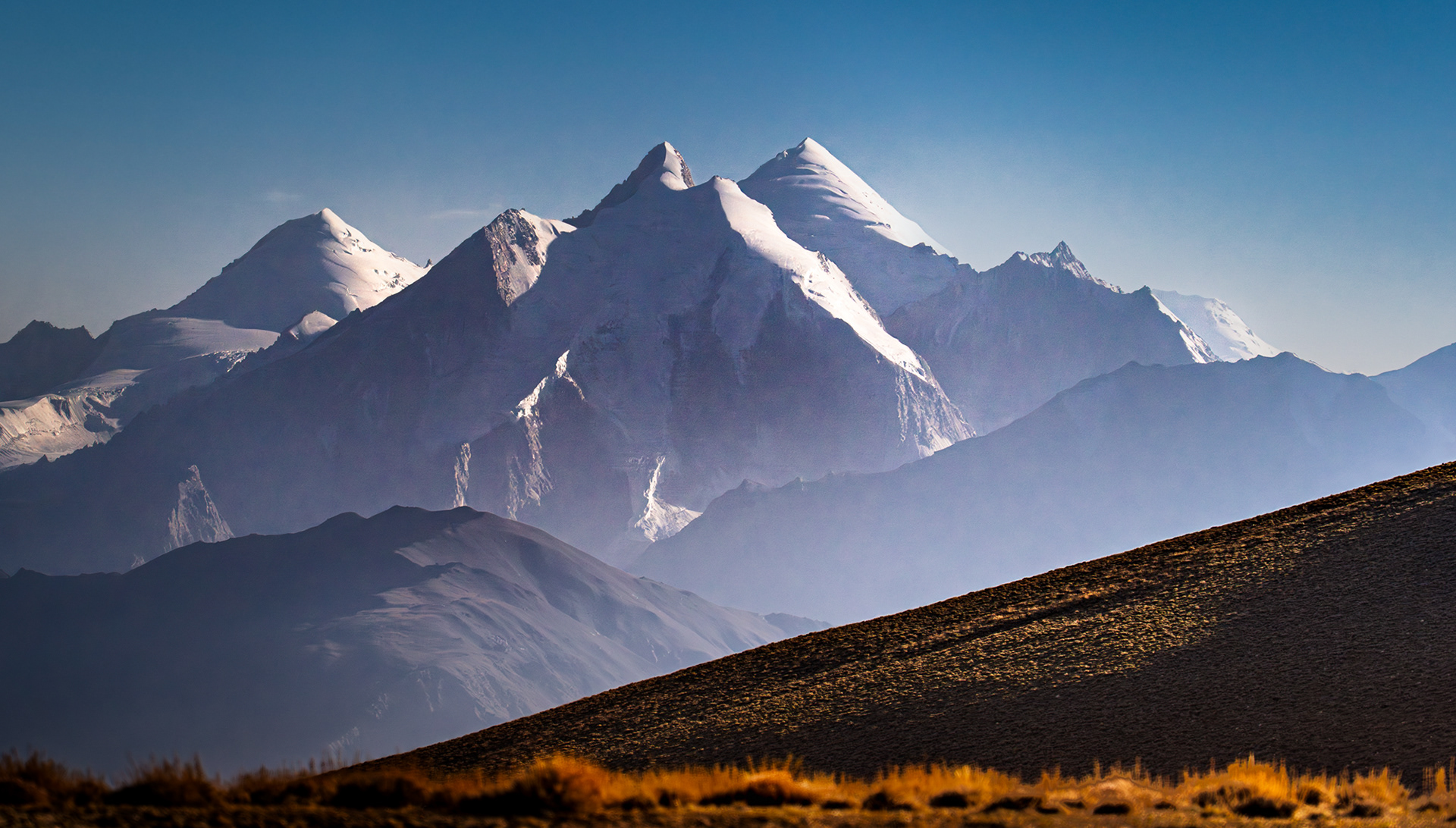
Koh-E Qala Panja, 6,328m, Afghanistan
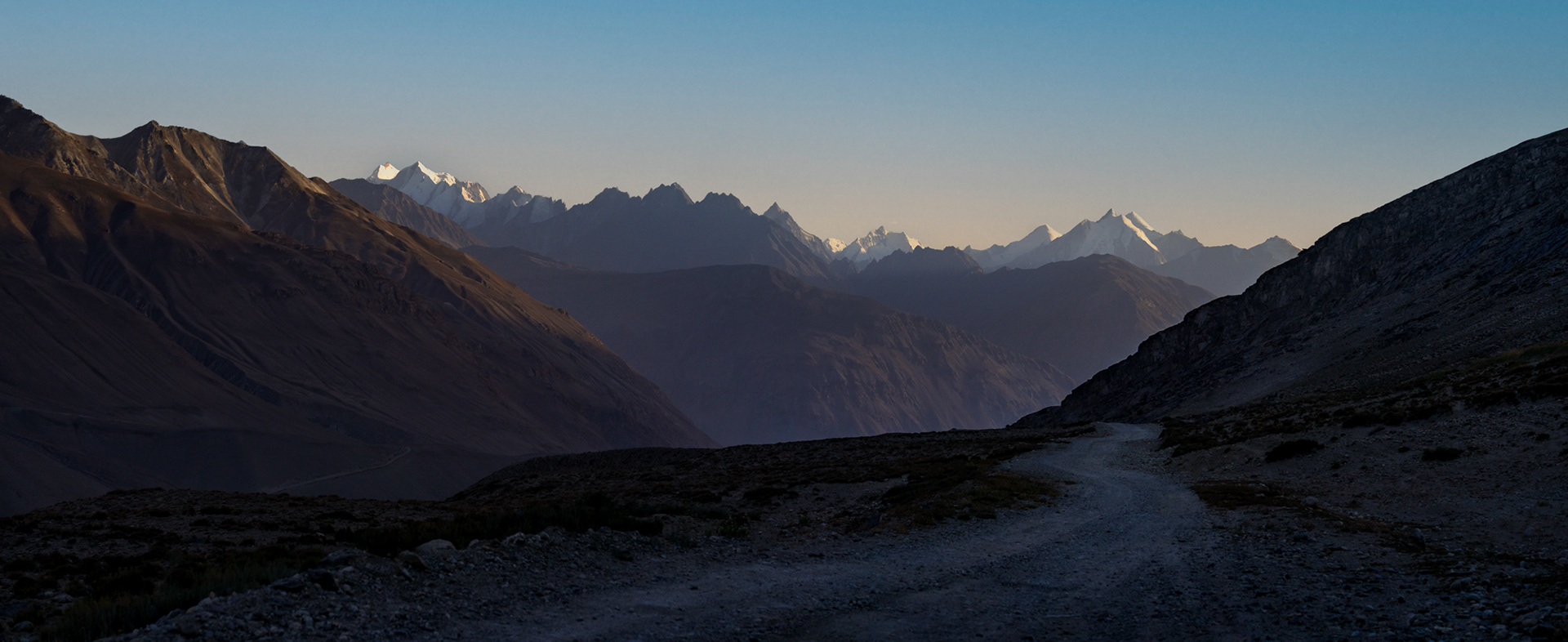
Panorama of the Pamir, Wakhi, and Hindu Kush mountains. Shot from Tajikistan.
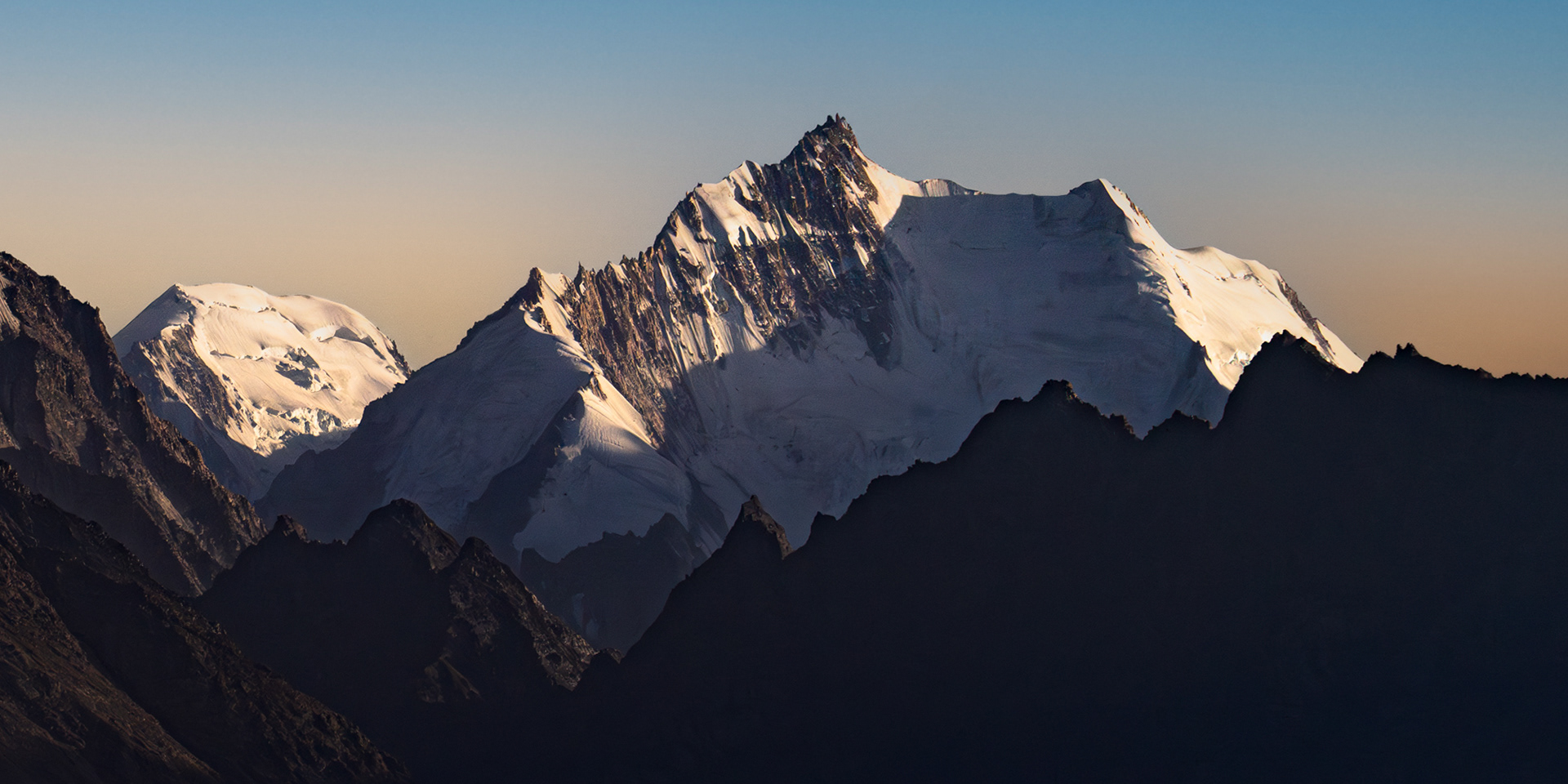
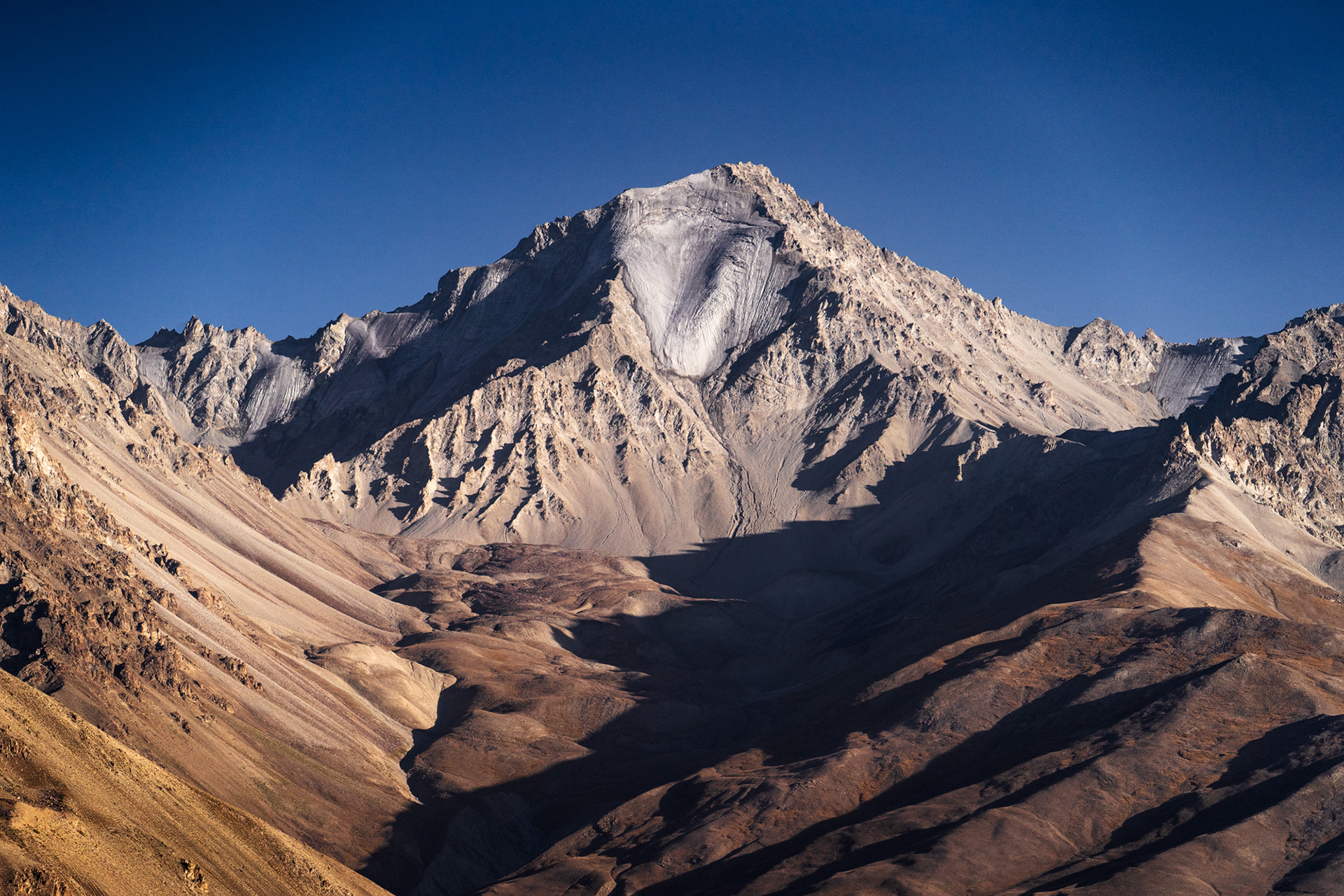
Koh-E Sedara, 6,150m, Afghanistan
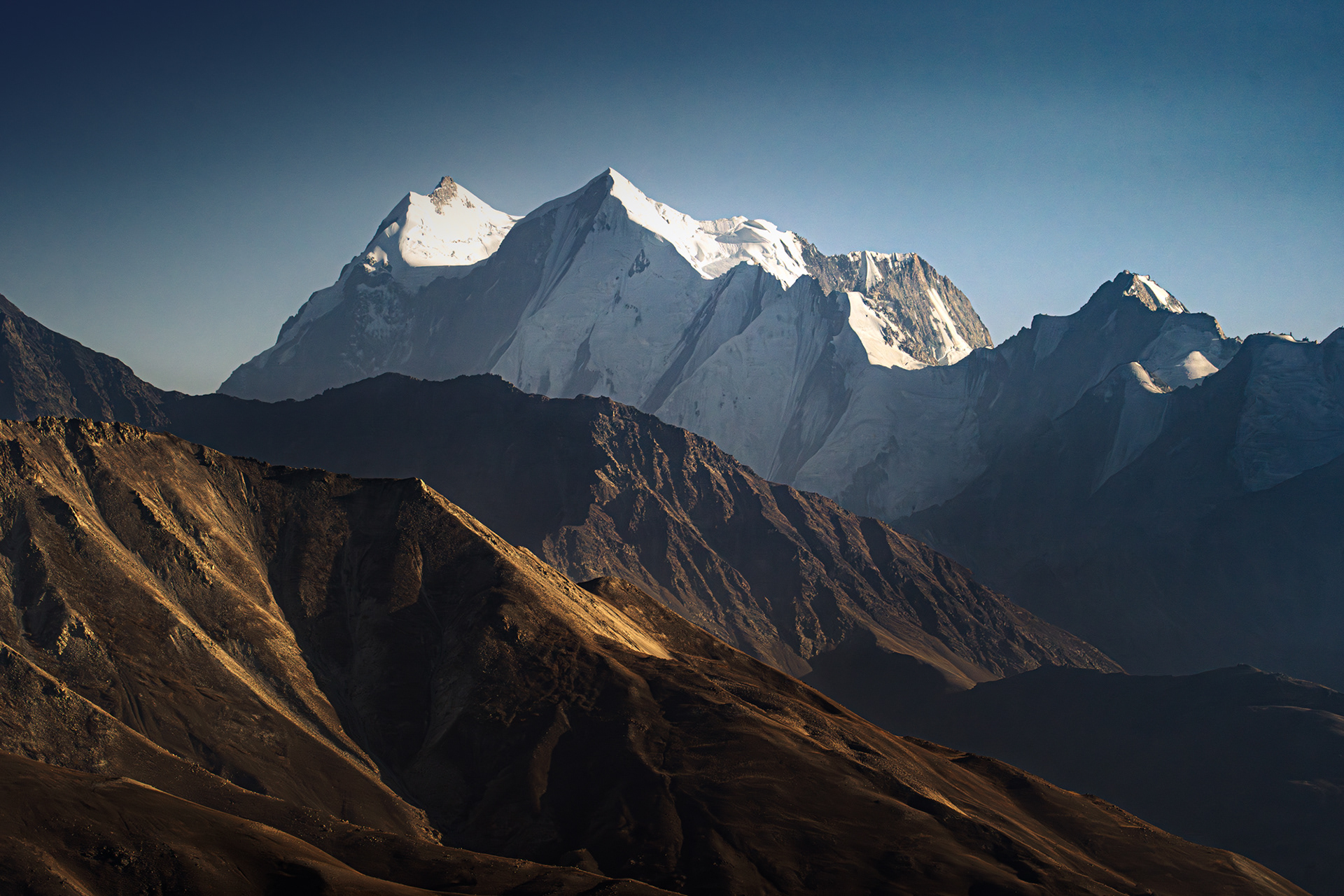
Rahozon Zom, 6,553m, Summit in Pakistan, main body in Afghanistan
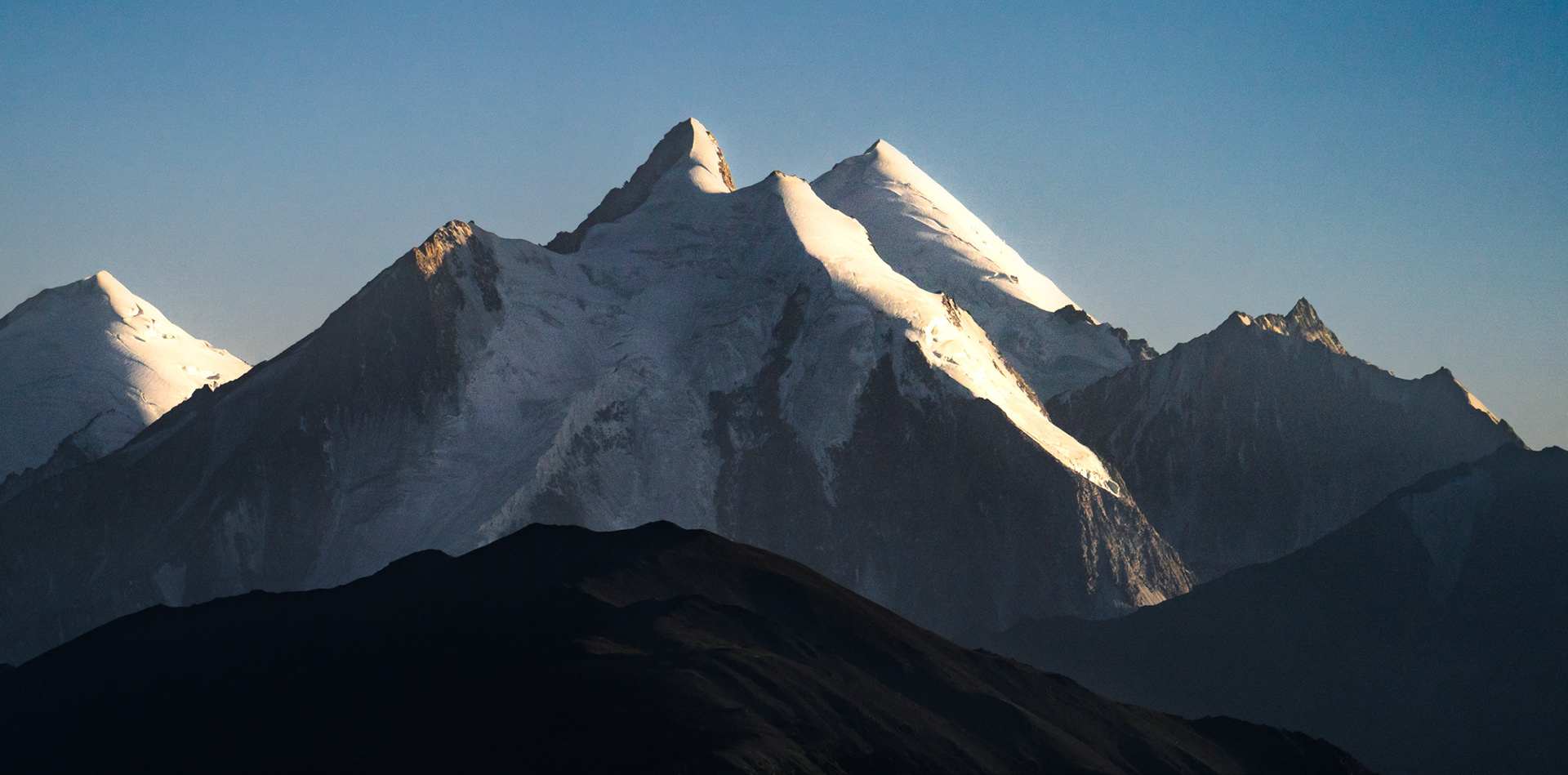
Koh-E Qala Panja, 6,328m, Afghanistan
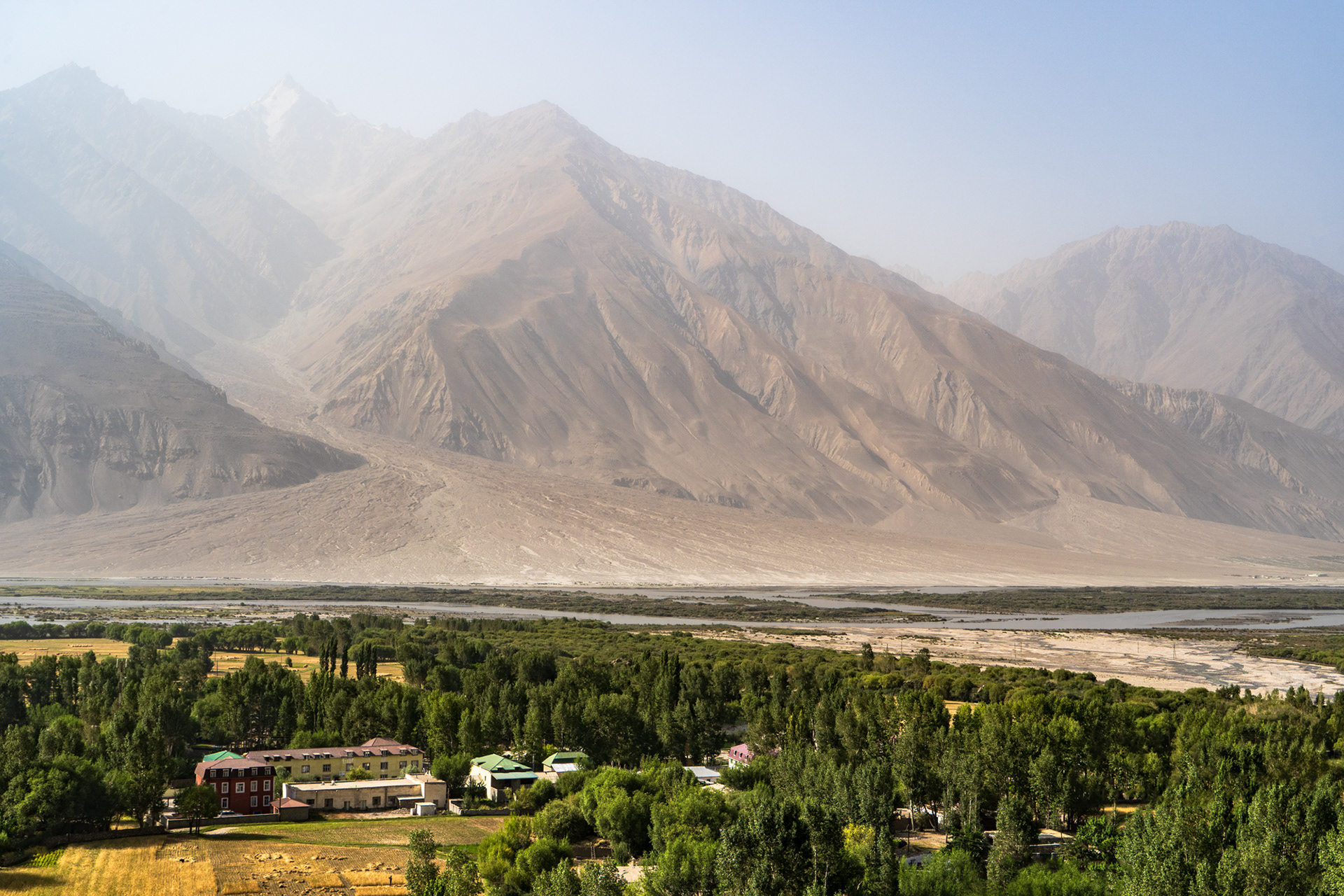
Wakhan Valley, as seen from Vrang, Tajikistan
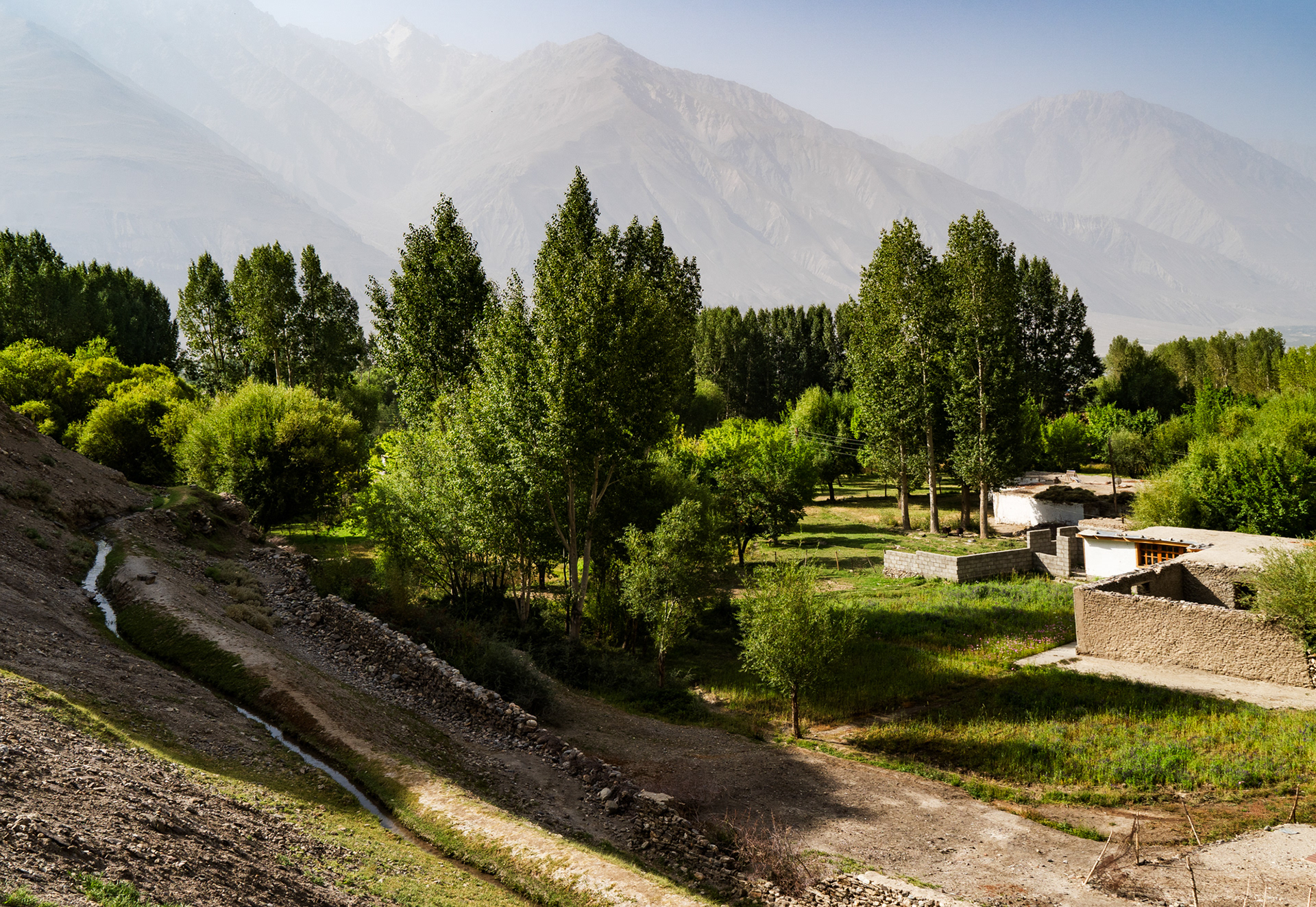
Edges of Vrang, Tajikistan
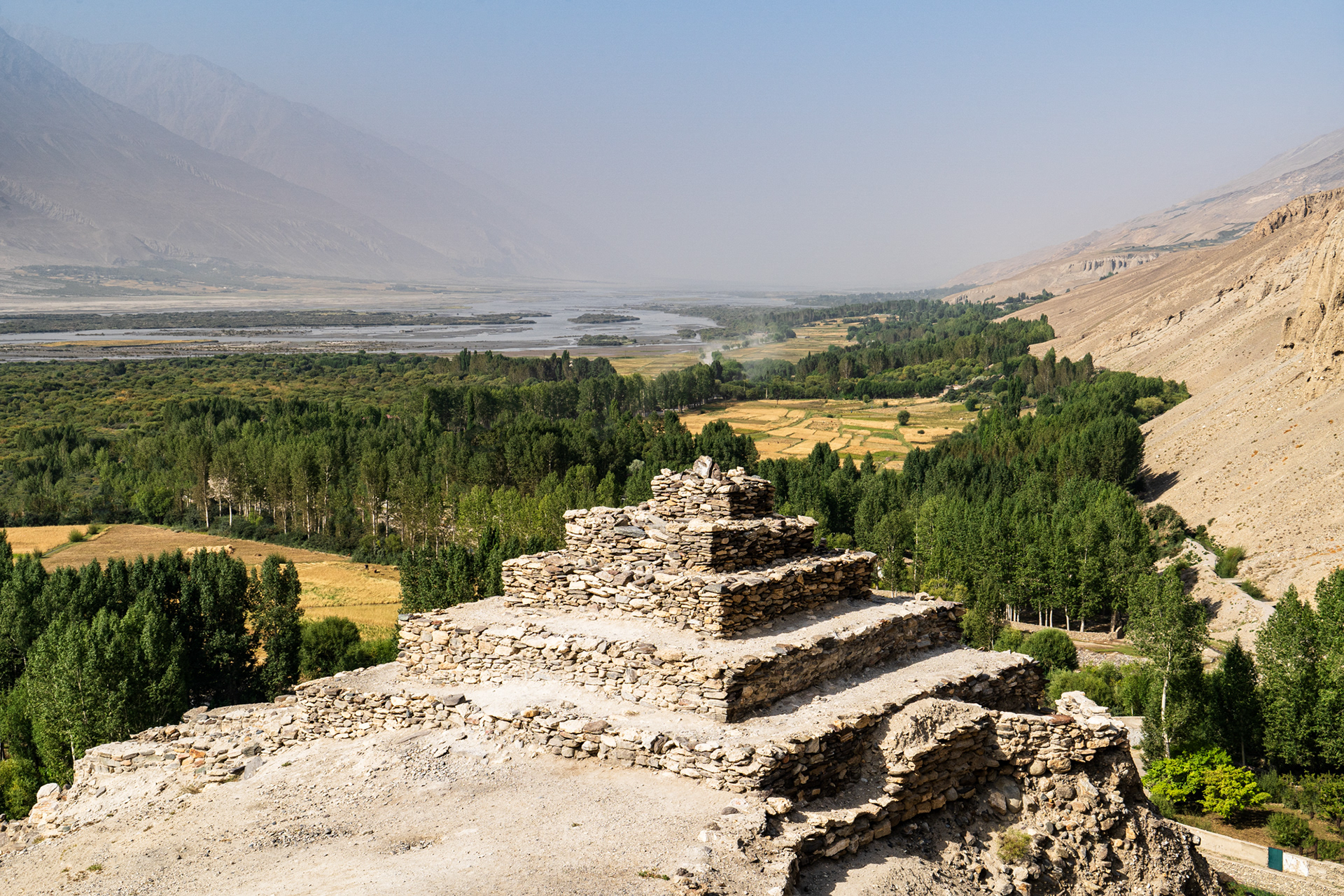
Buddhist Stupa in Vrang, Tajikistan.
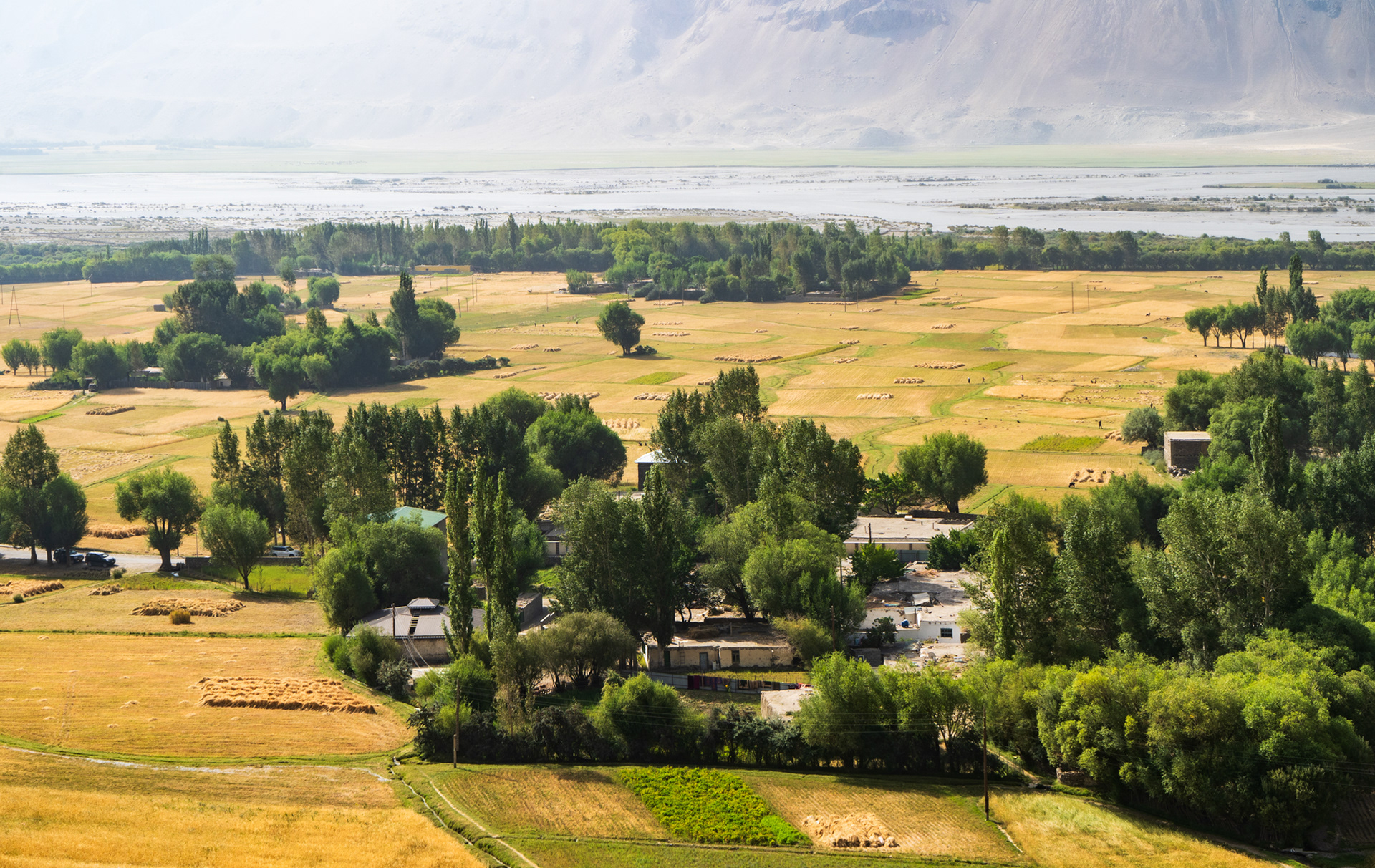
Farmland surrounding the village of Vrang, Tajikistan
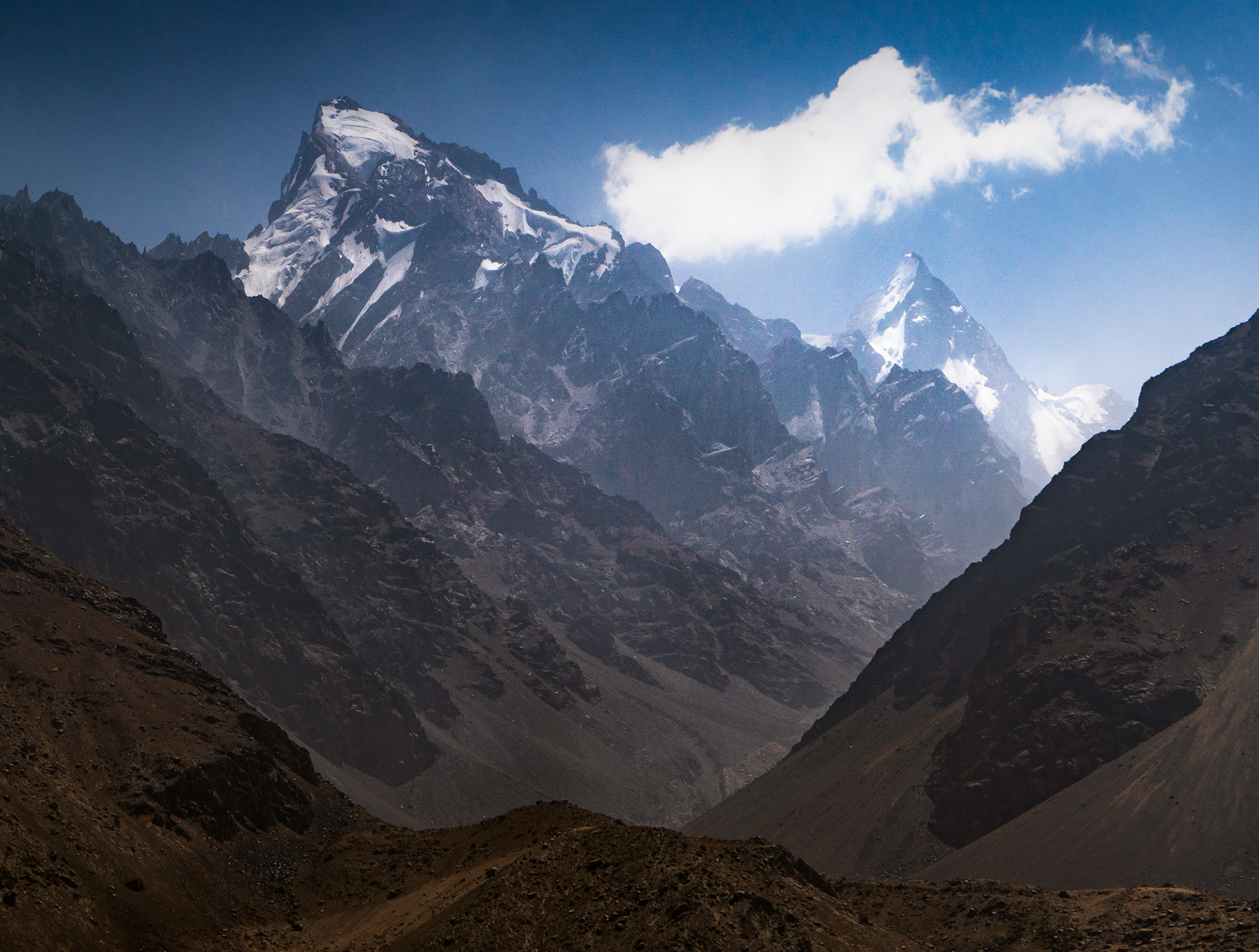
Possibly Koh-e Keshni Khan, 6,716m, Afghanistan
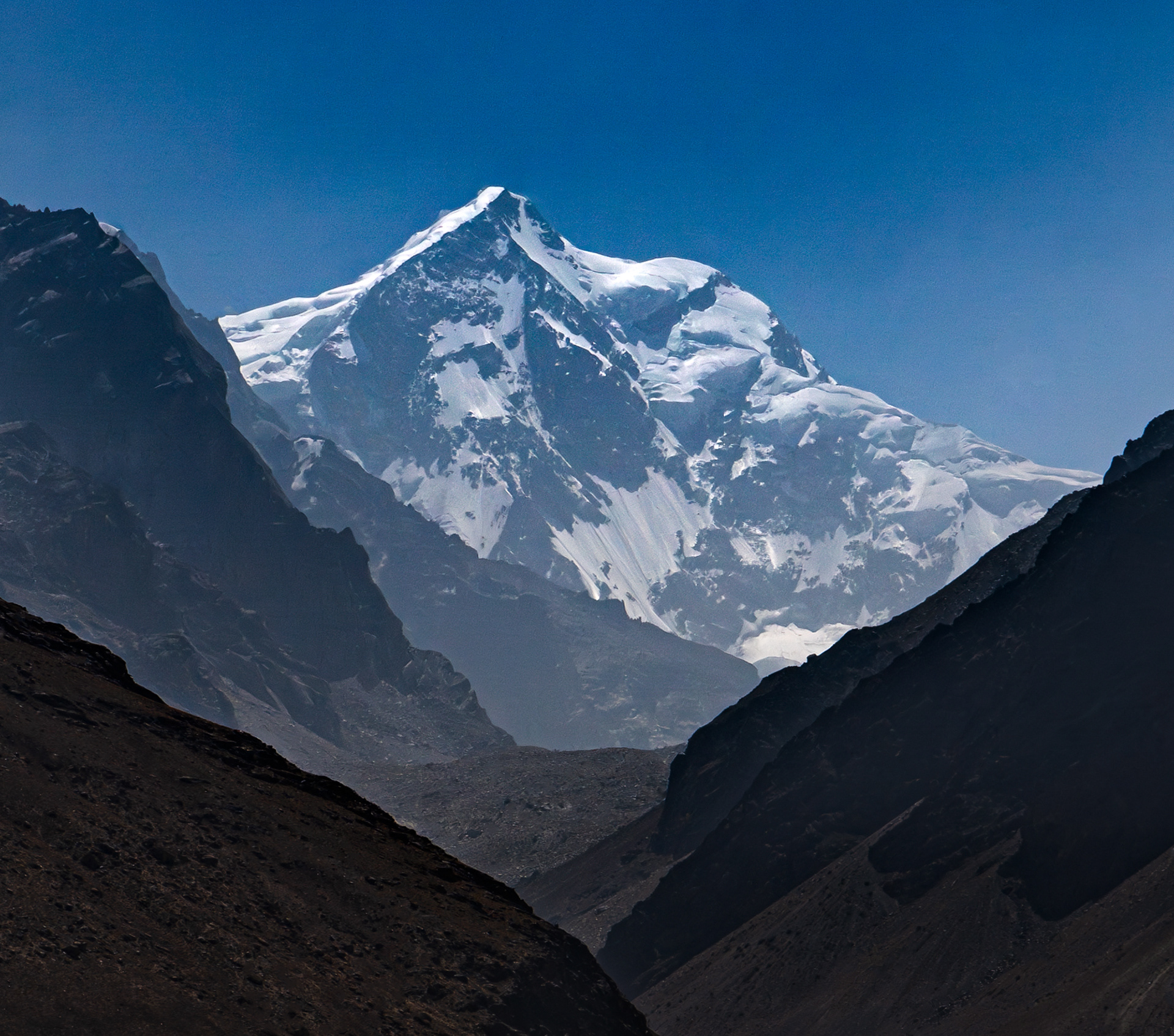
Koh-E Hevad, 6,849m, Afghanistan
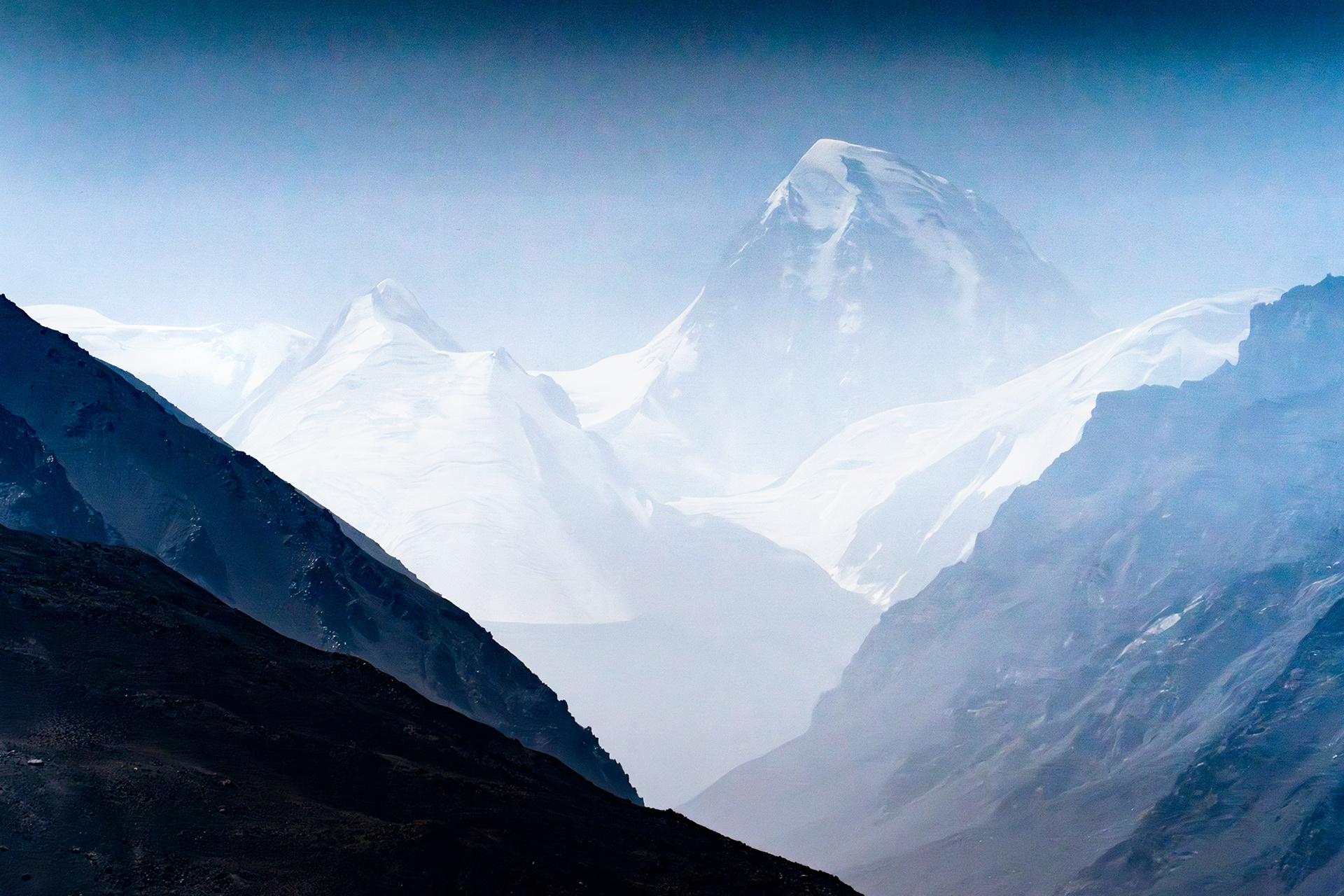
Shah Dhar, 7,038m, summit in Pakistan. Shot through very dense haze.
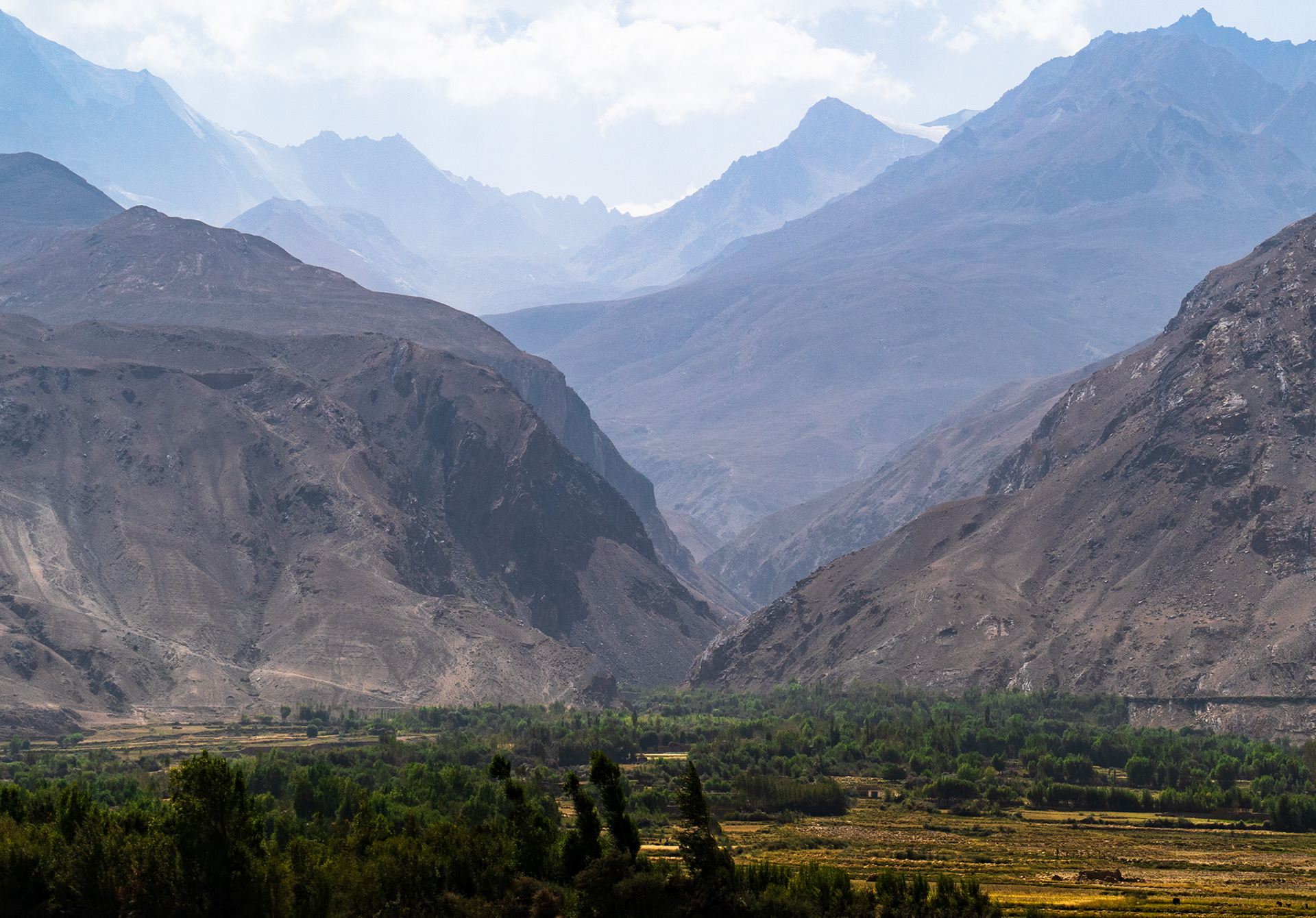
Looking into the rugged valleys of Afghanistan
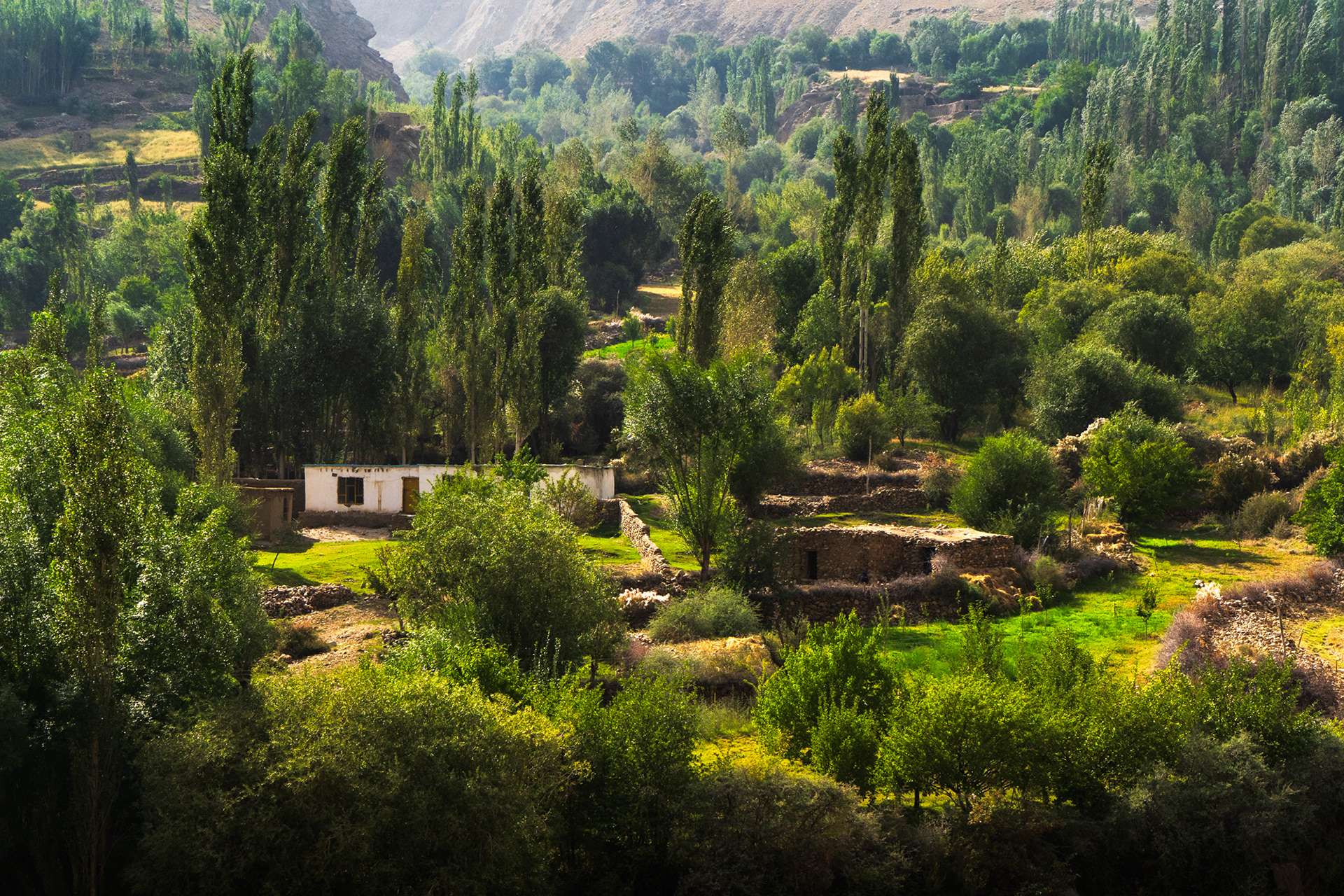
Lush villages just above the Panj river on the Afghan side of the Wakhan Valley.
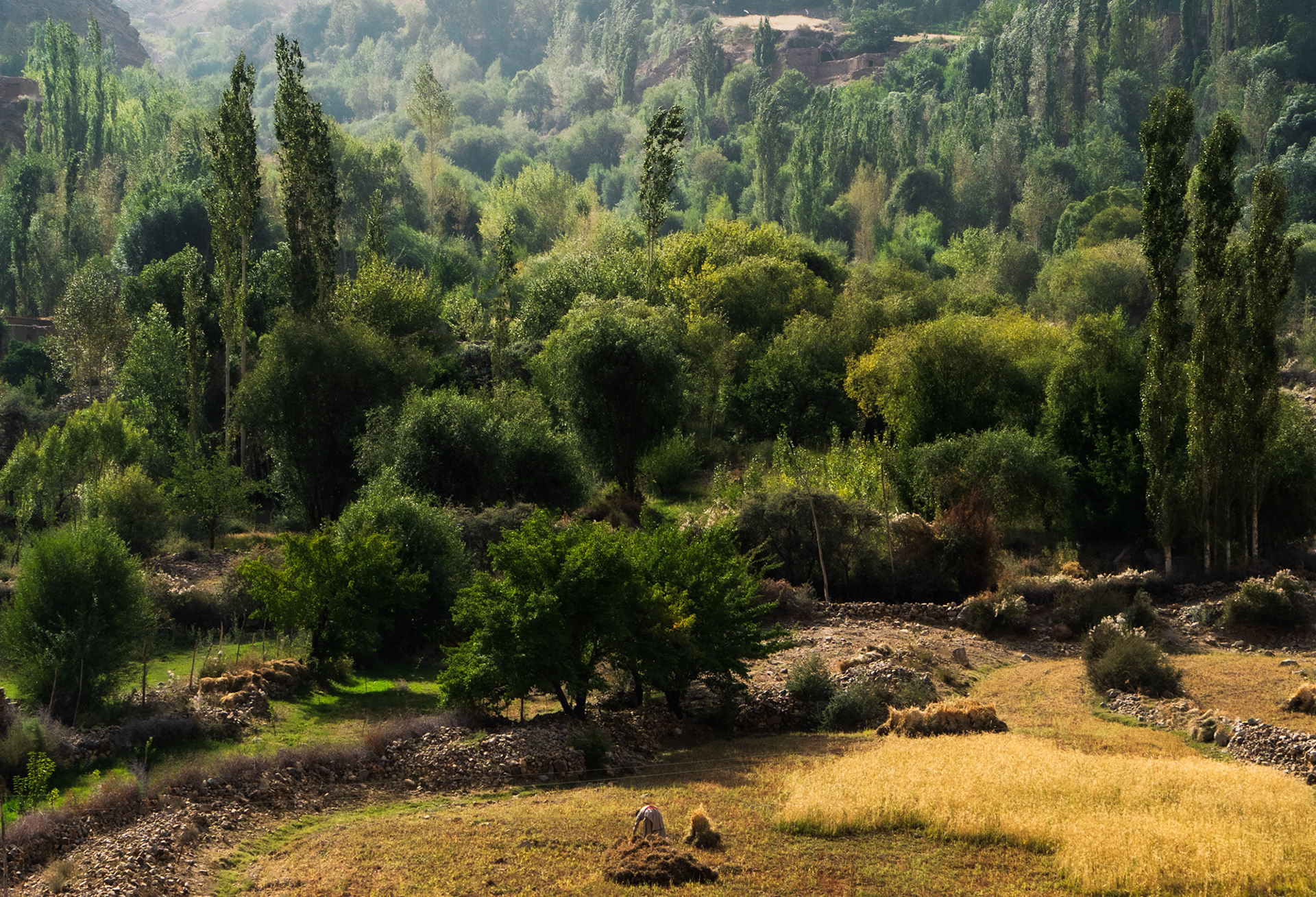
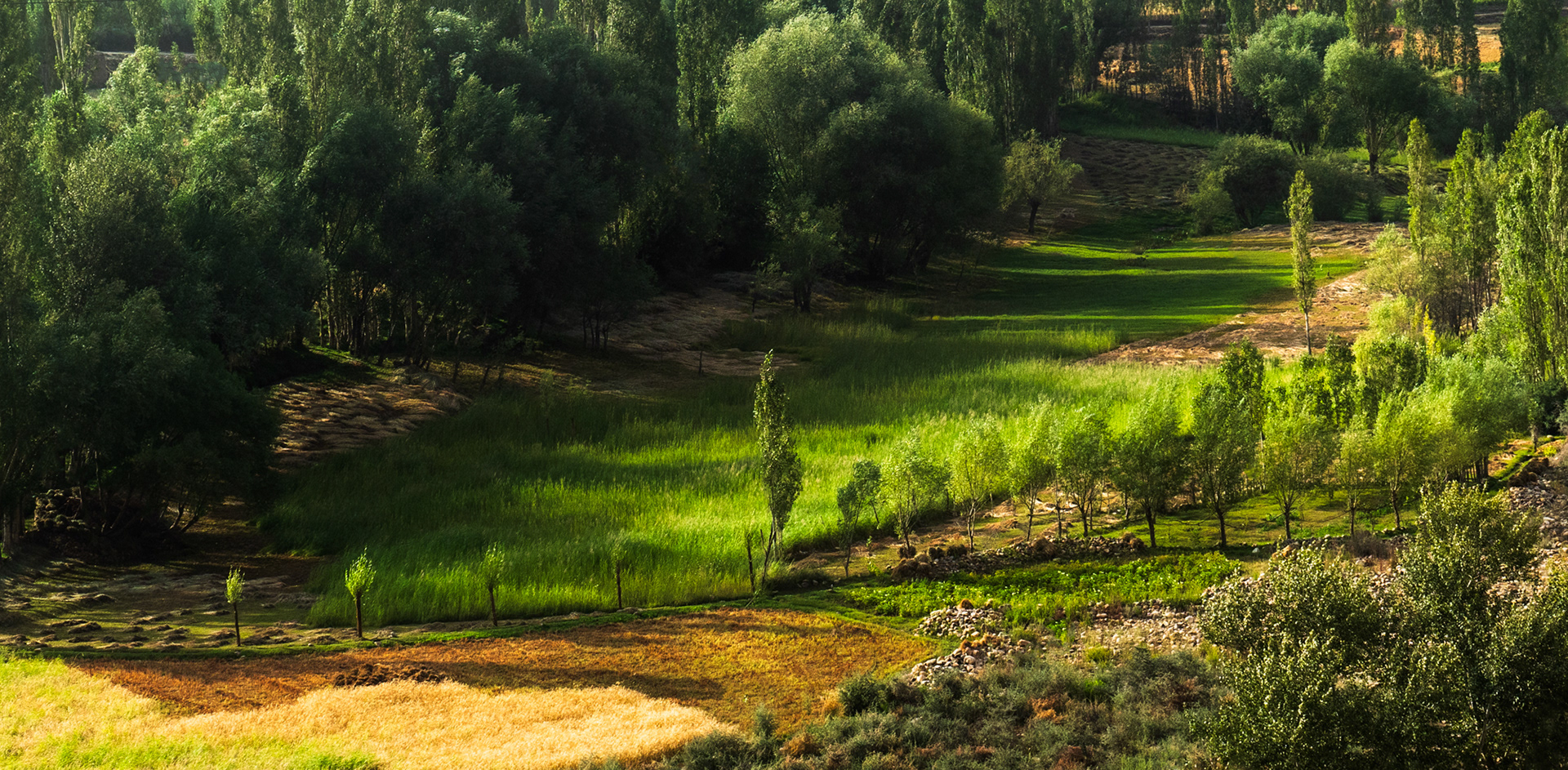
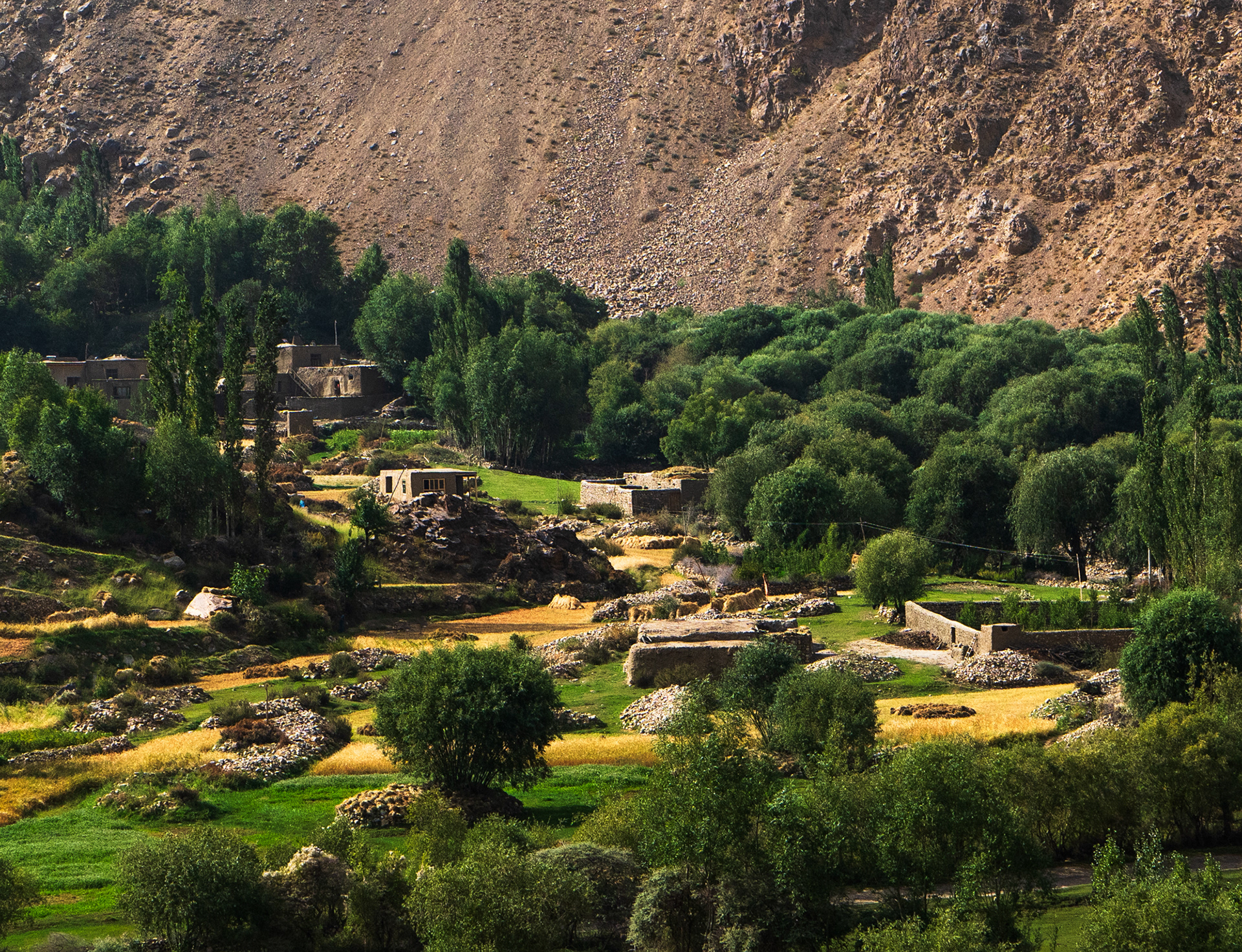
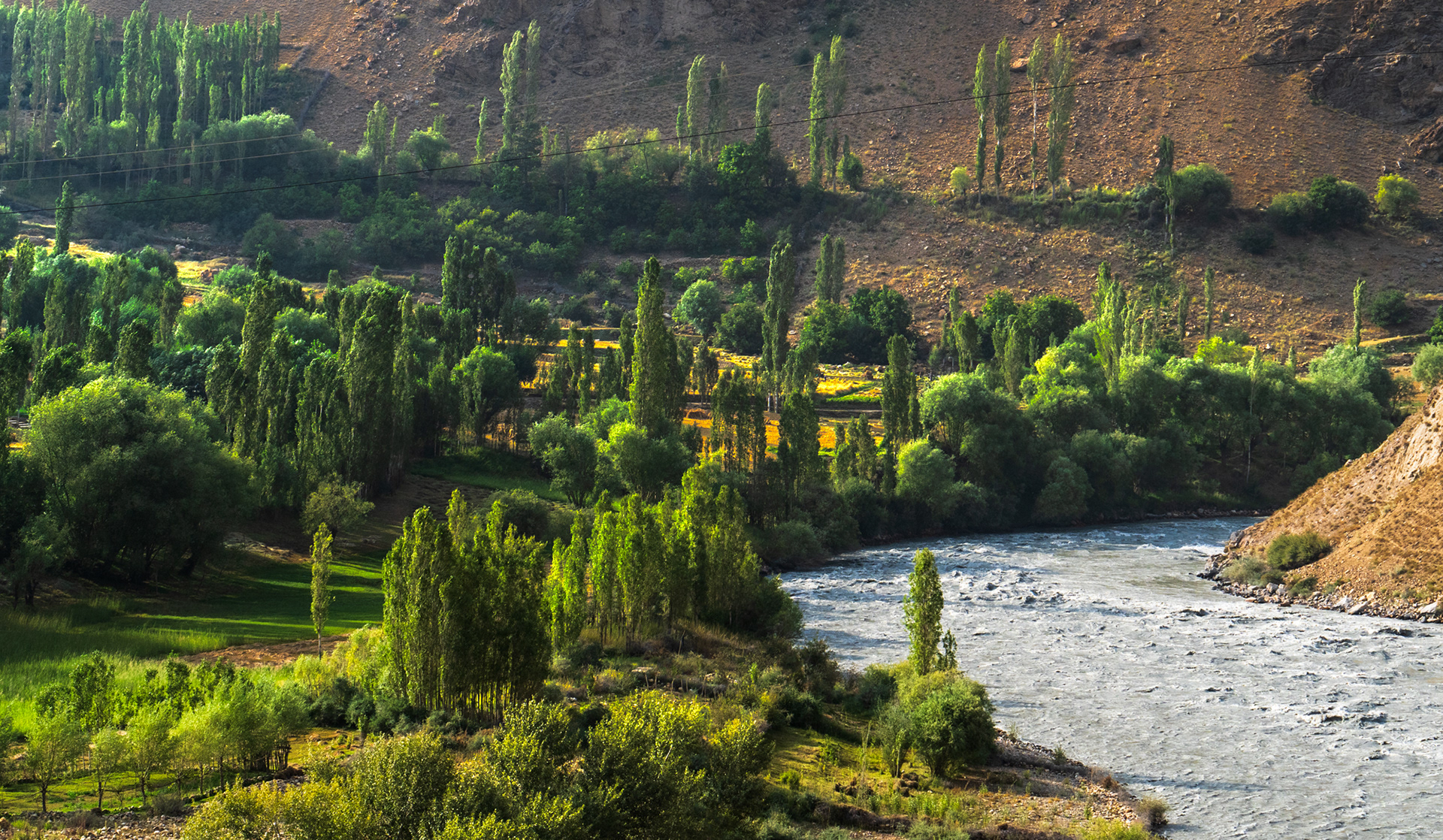
Afghanistan on the left, Tajikistan on the right.
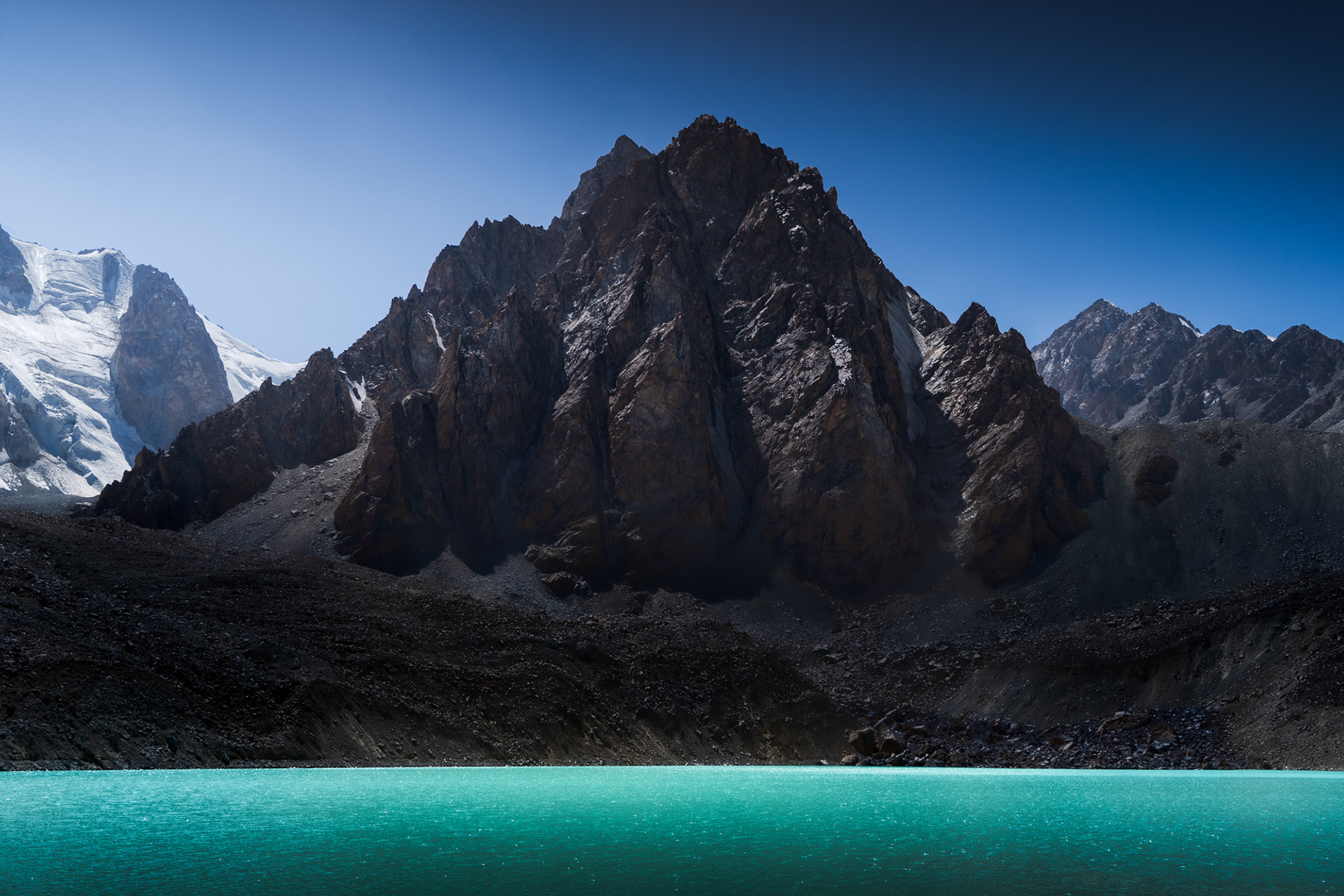
Starting at 3,300m in the little farming community of Bachor, we set out on a five-day hike through the Tajik National Park in the central Pamir. A gruelling day and a half later, we reached our first lake-side camp: Tsaxinkul Lake, 4,300m. The dramatic peaks above rise to almost 5,000m.
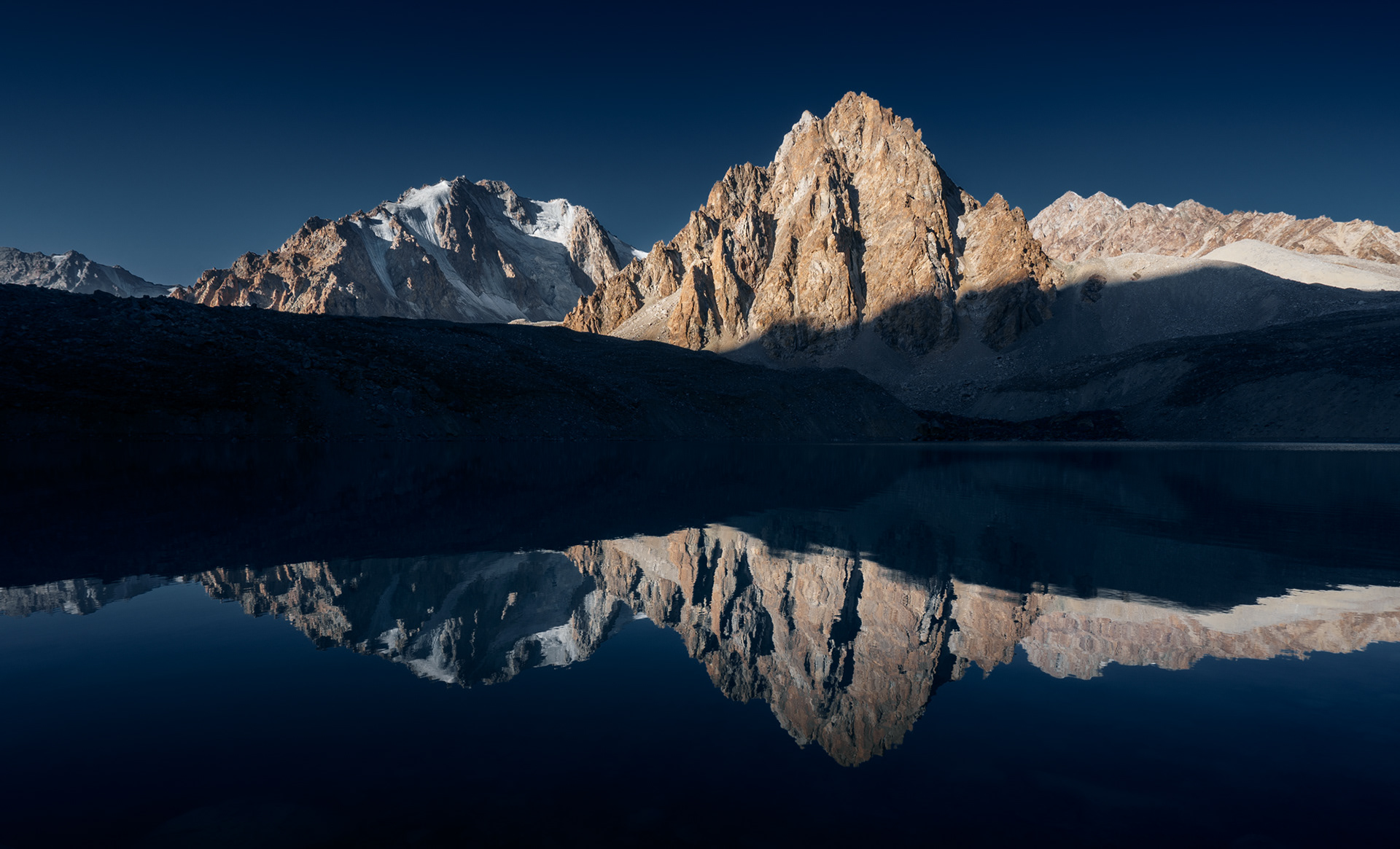
Morning reflections at Tsaxinkul Lake
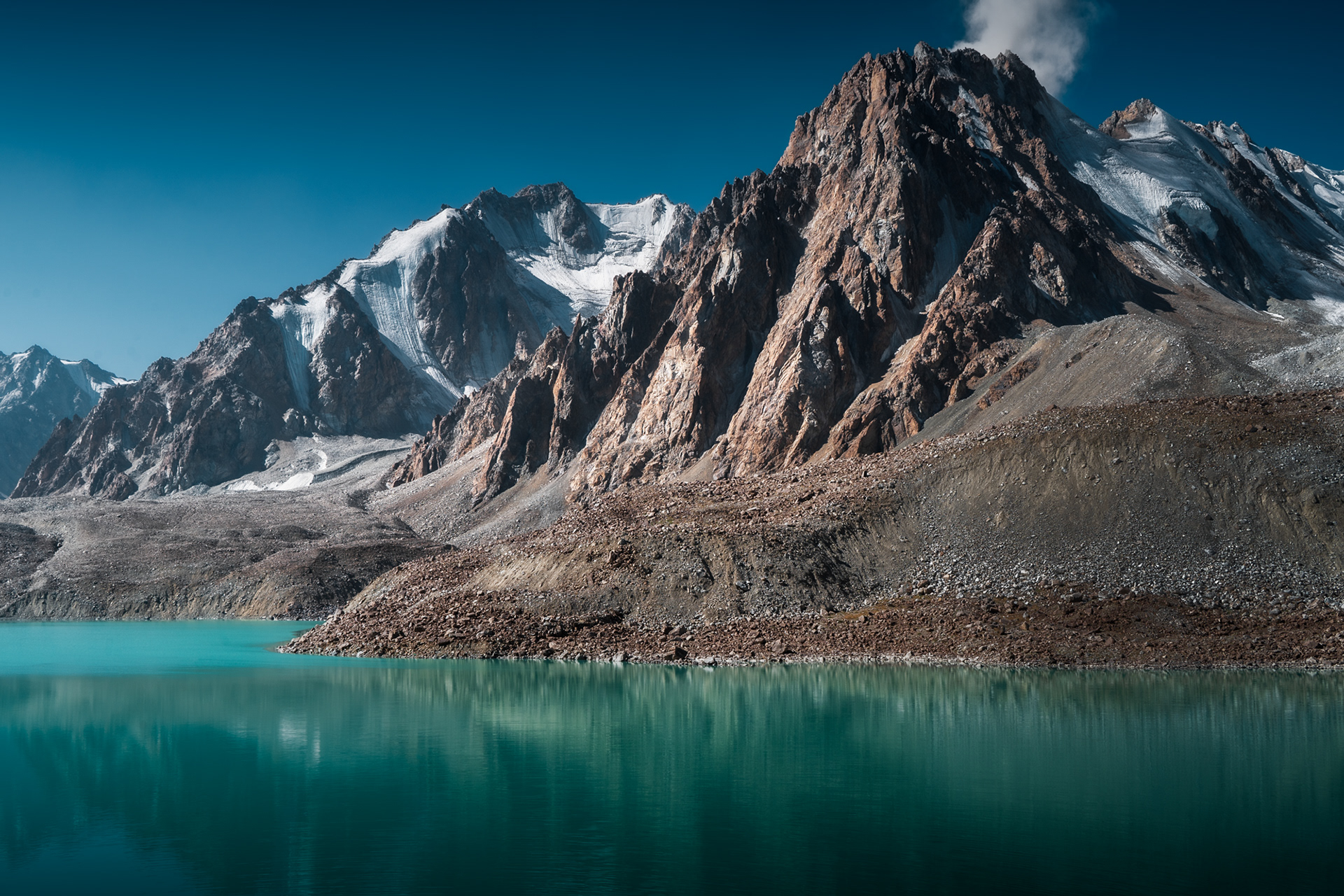
Setting off towards Zaroshkul Lake, we spent an hour scrambling along the shores of Tsaxinkul.
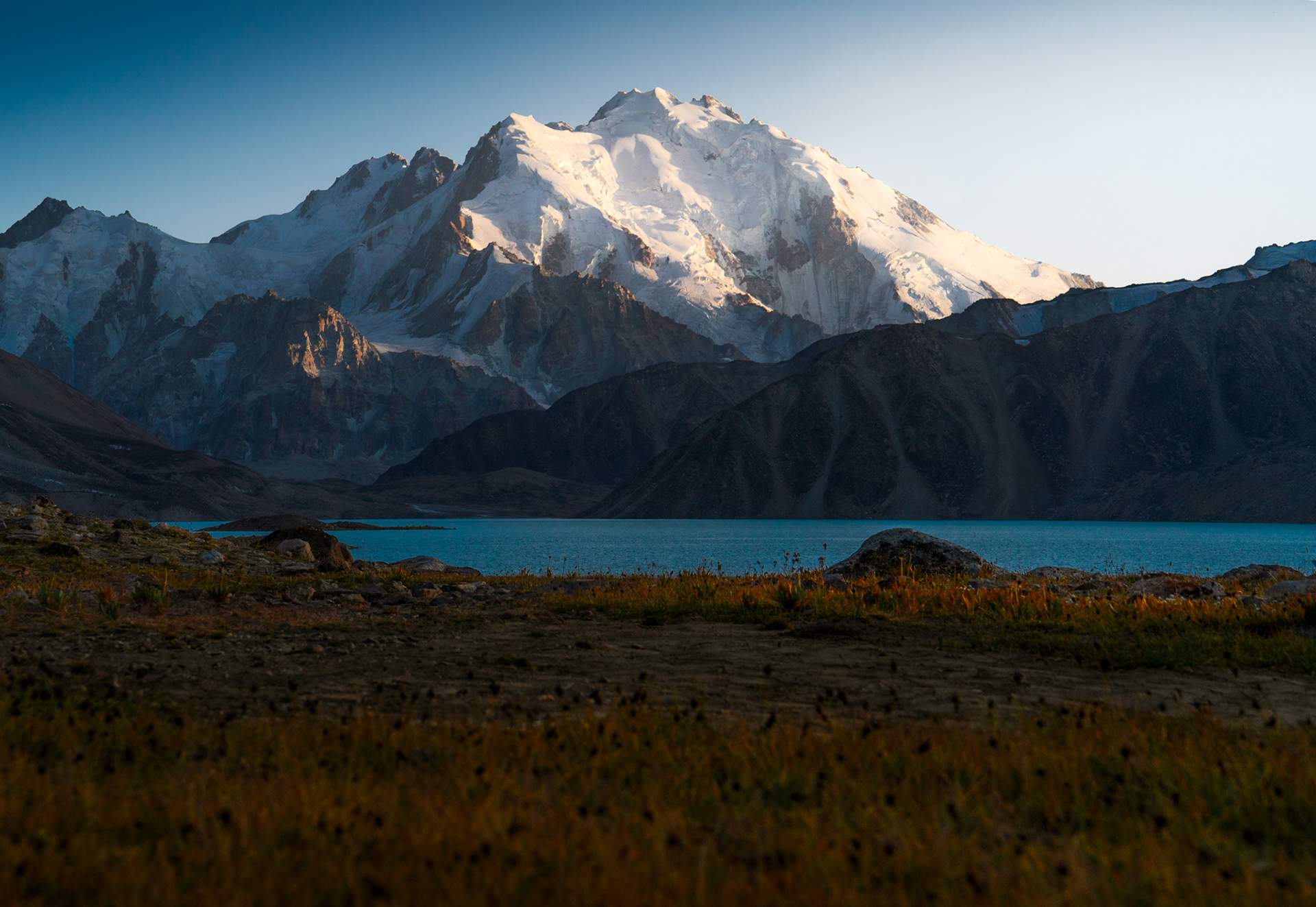
Several hours later, we made it to Zaroshkul Lake. Shortly after, we witnessed a spectacular sunset above the lake and the towering, glaciated peaks.
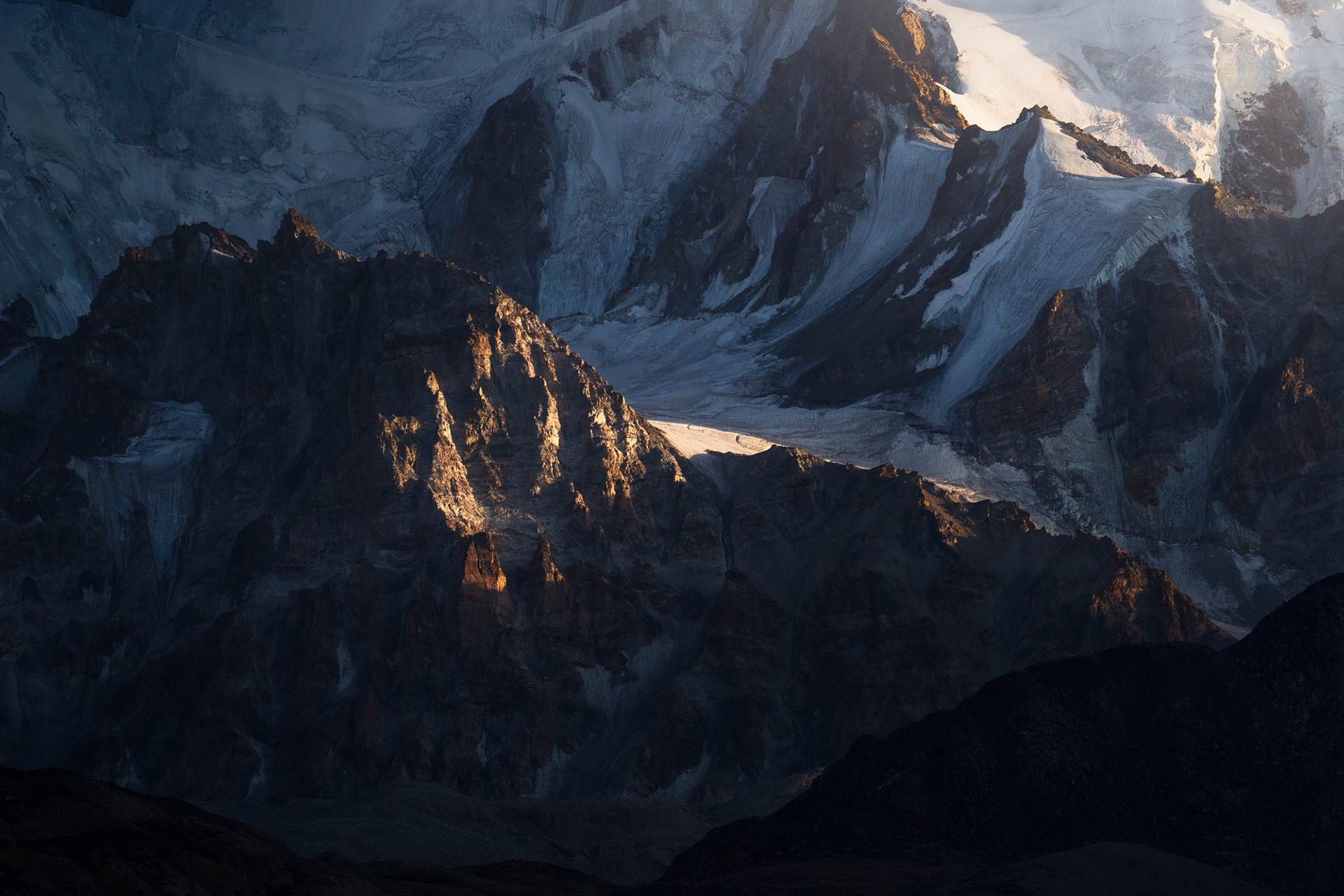
Glaciers of the Shakhdara Range.
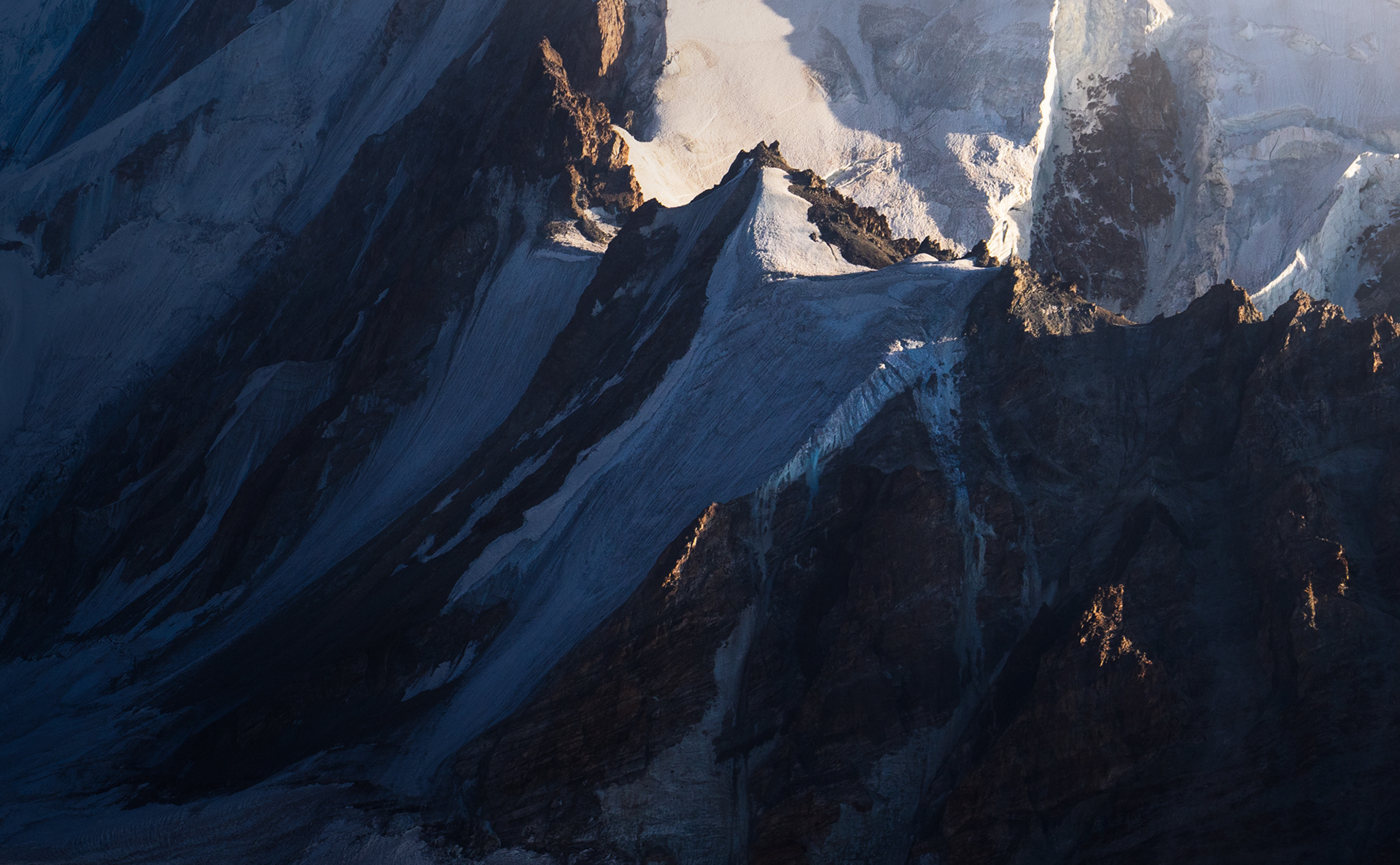
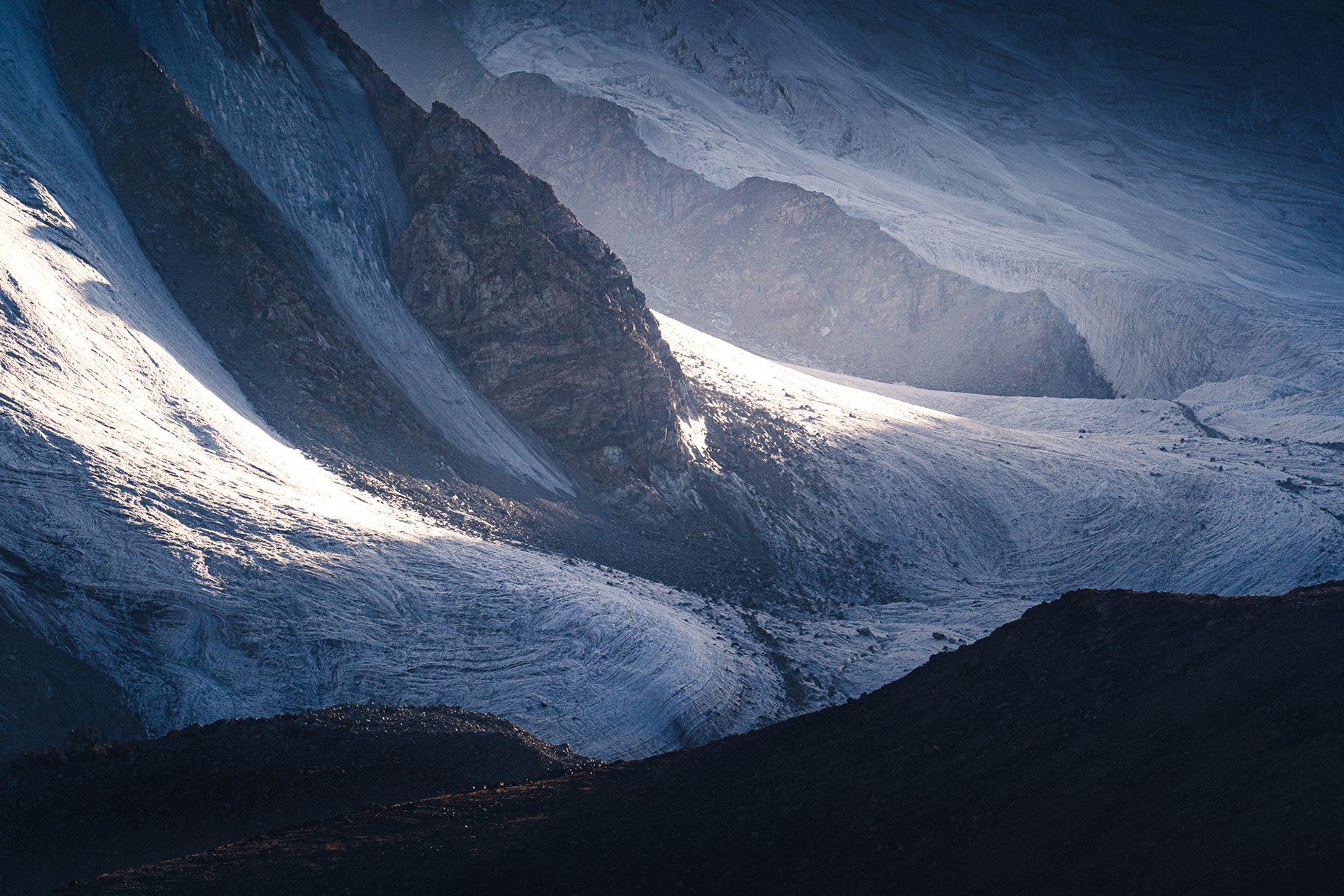
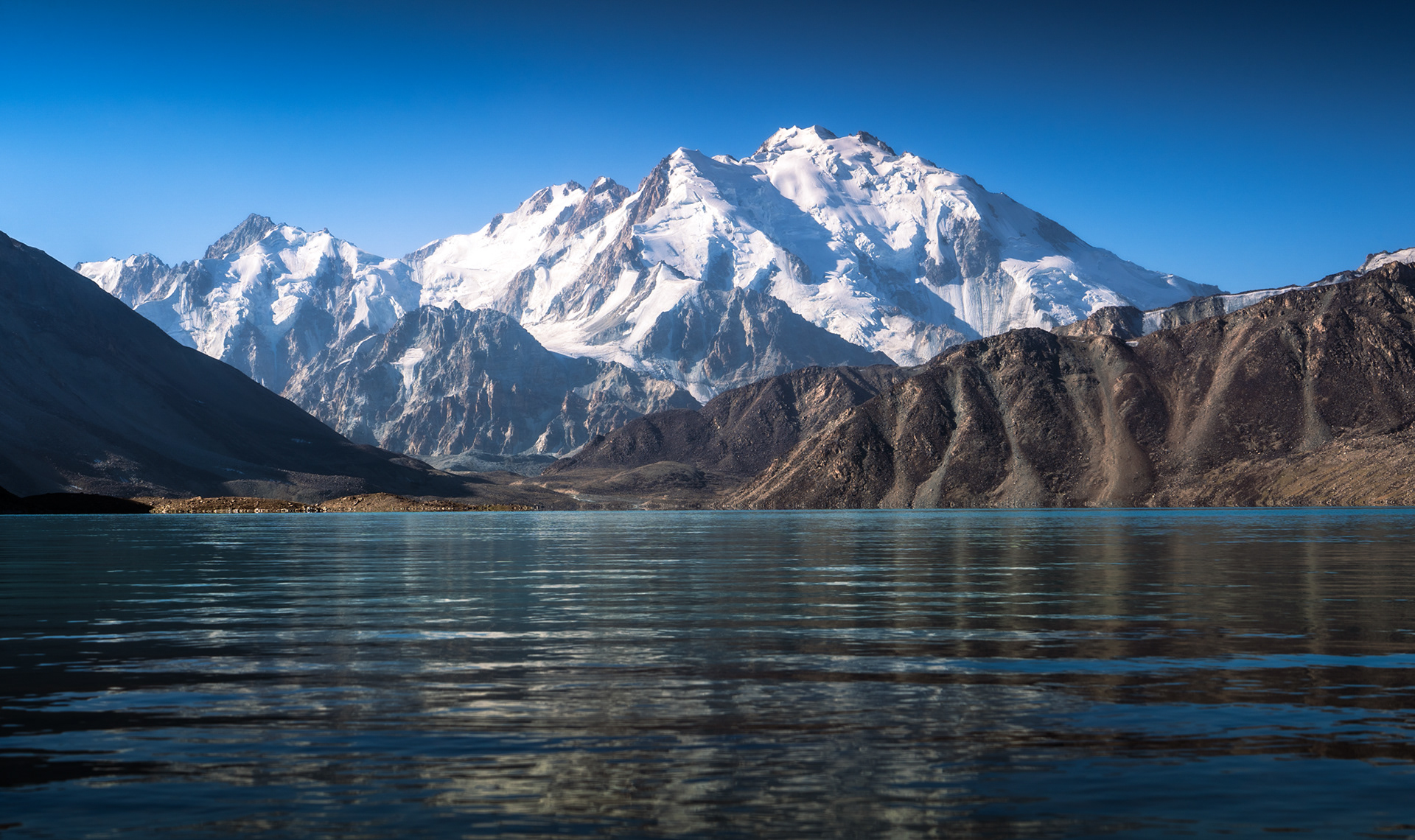
Sunrise above Zaroshkul Lake and the 5,500m+ peaks of the Shakhdara Range.
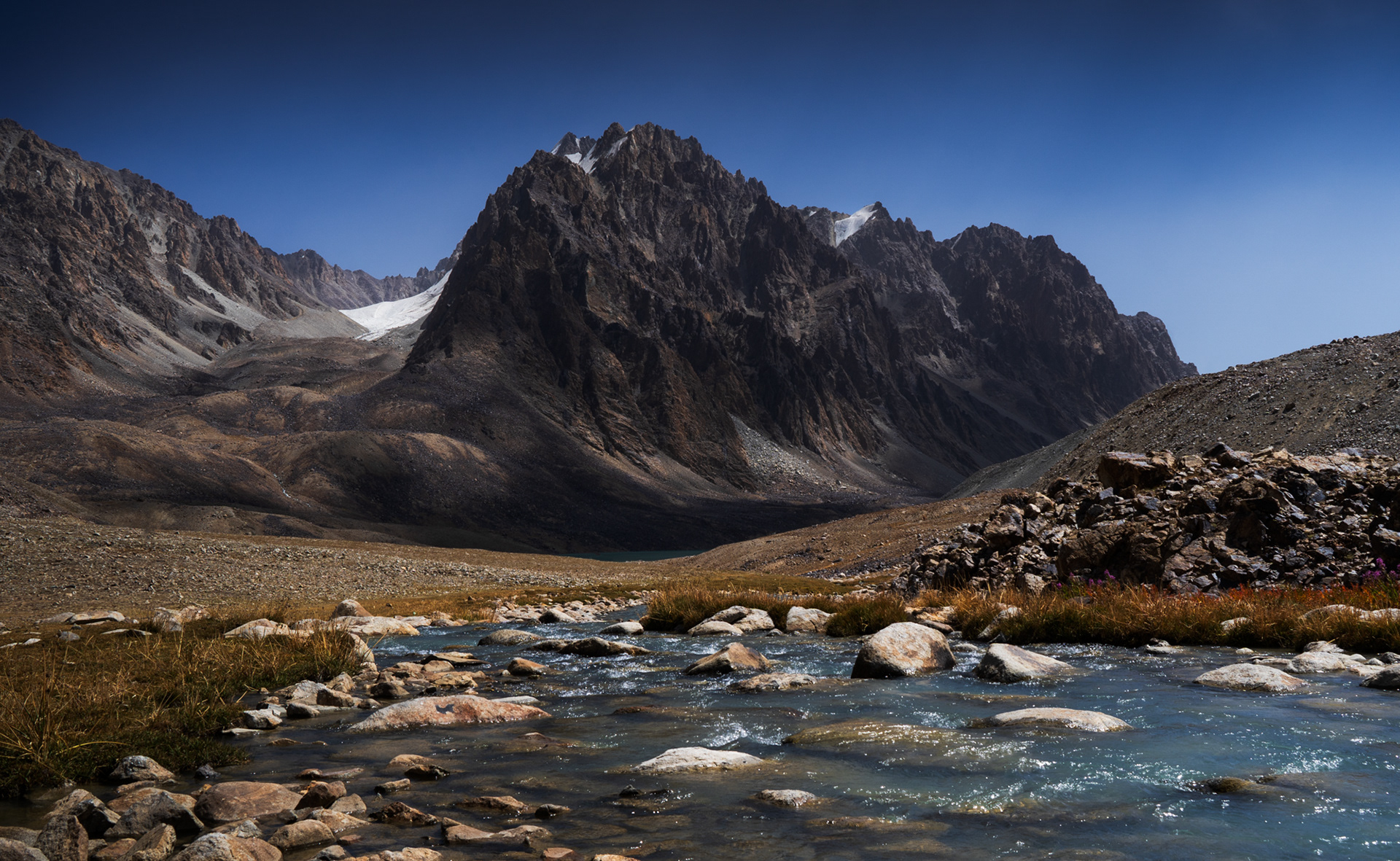
Rugged terrain between Zaroshkul and Tsaxinkul Lakes.
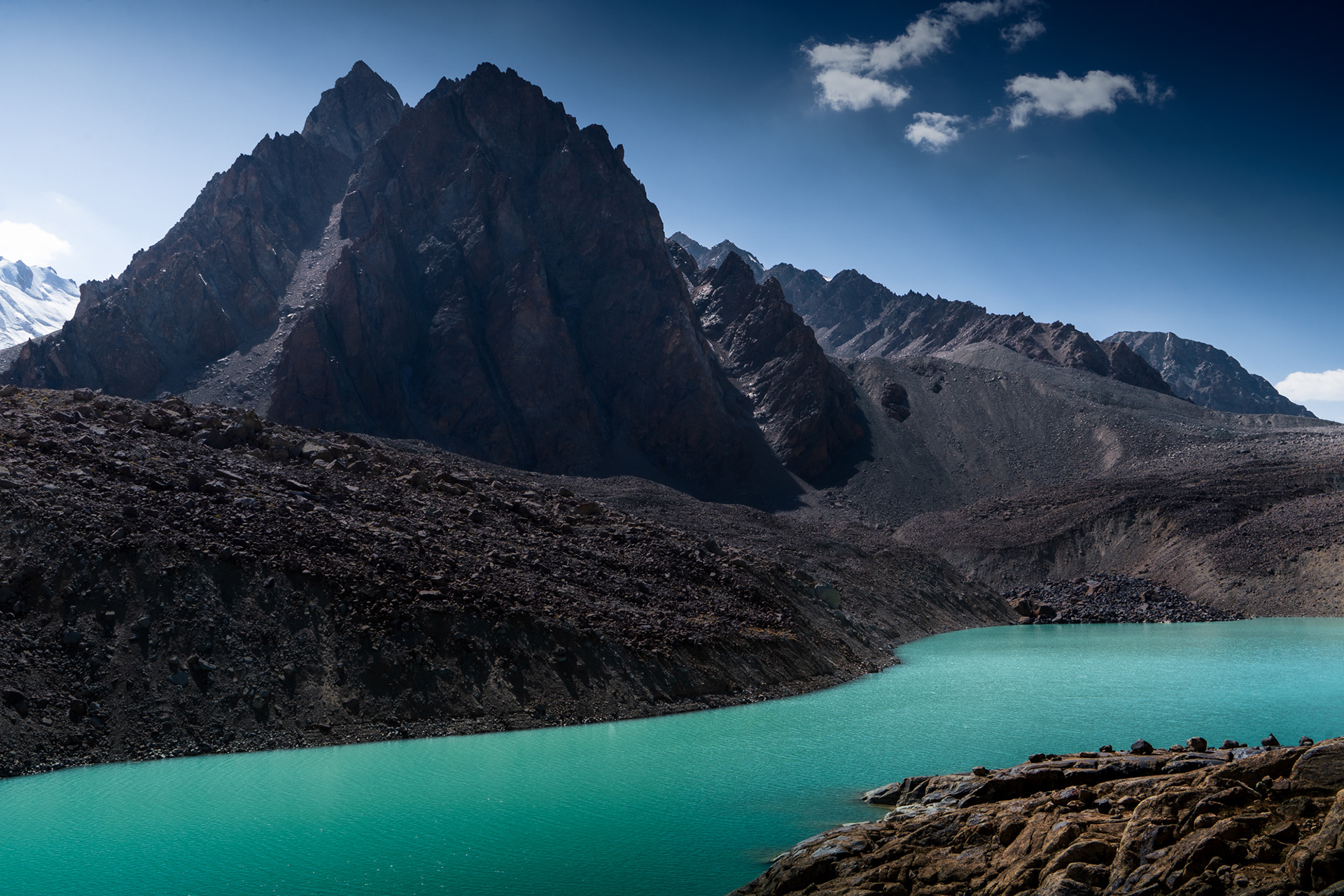
Looking back towards Tsaxinkul Lake, descending down to Bachor village.
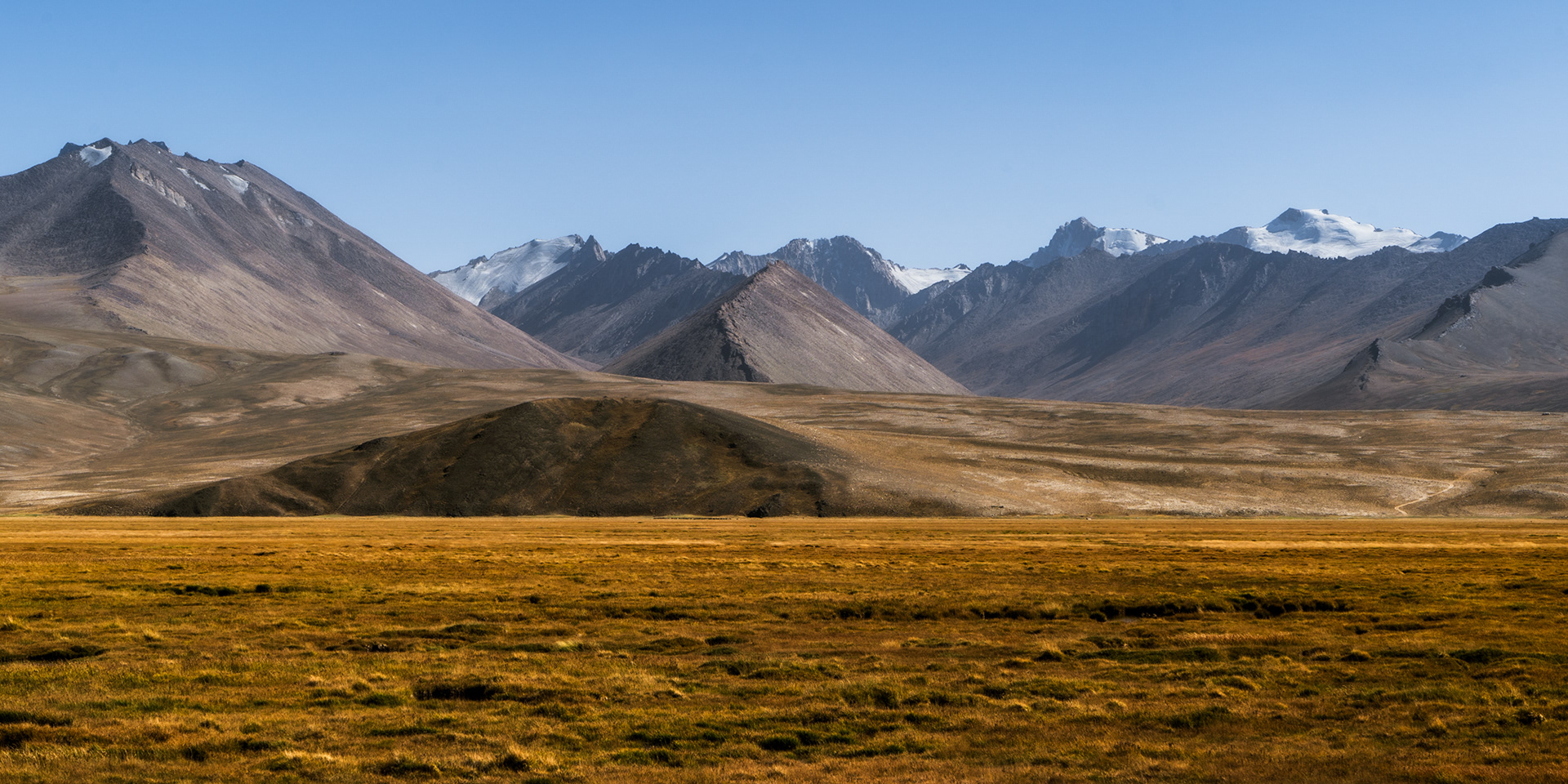
Pamir plateau just outside of Alichur, a town of around 2,200 residents at 4,000m.
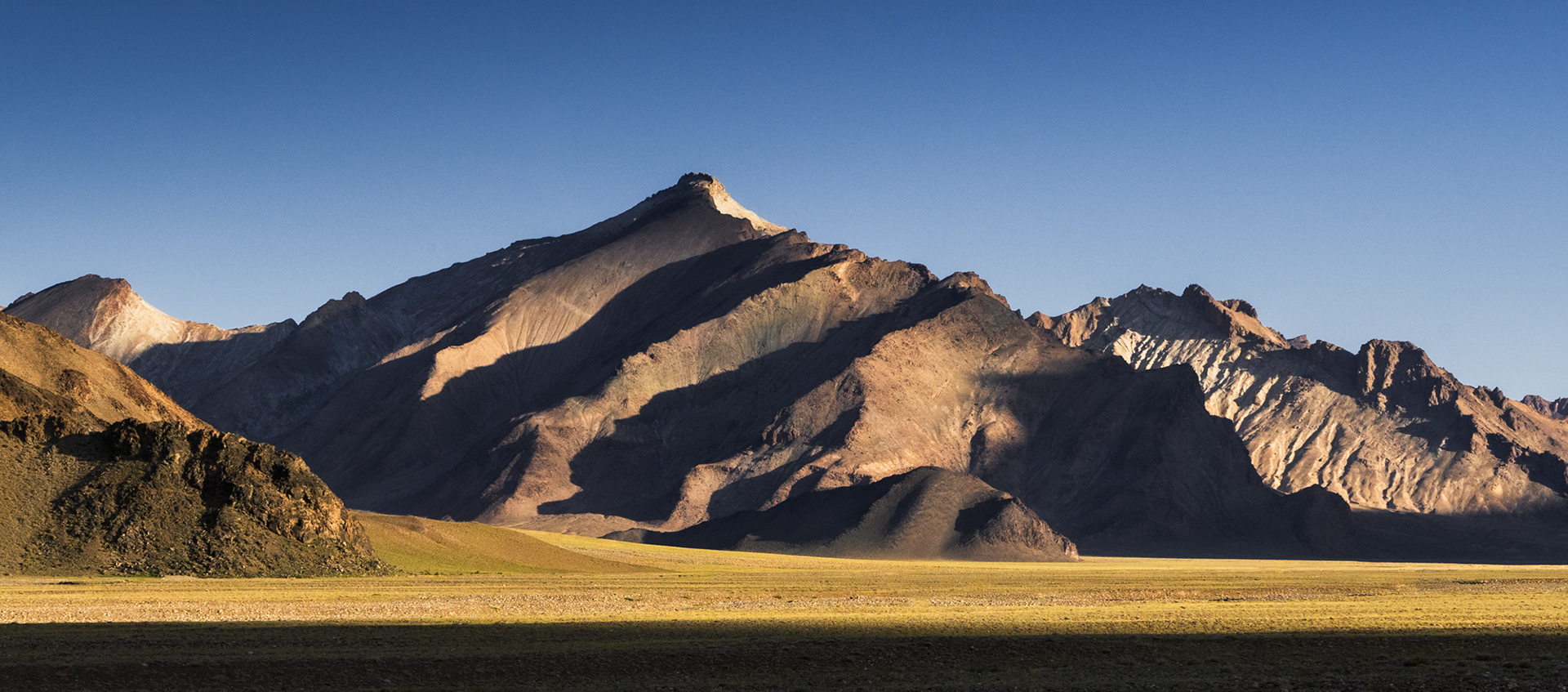
Driving North from Murghob, landscapes like this are typical: flat valley beds, and jagged, layered mountains.
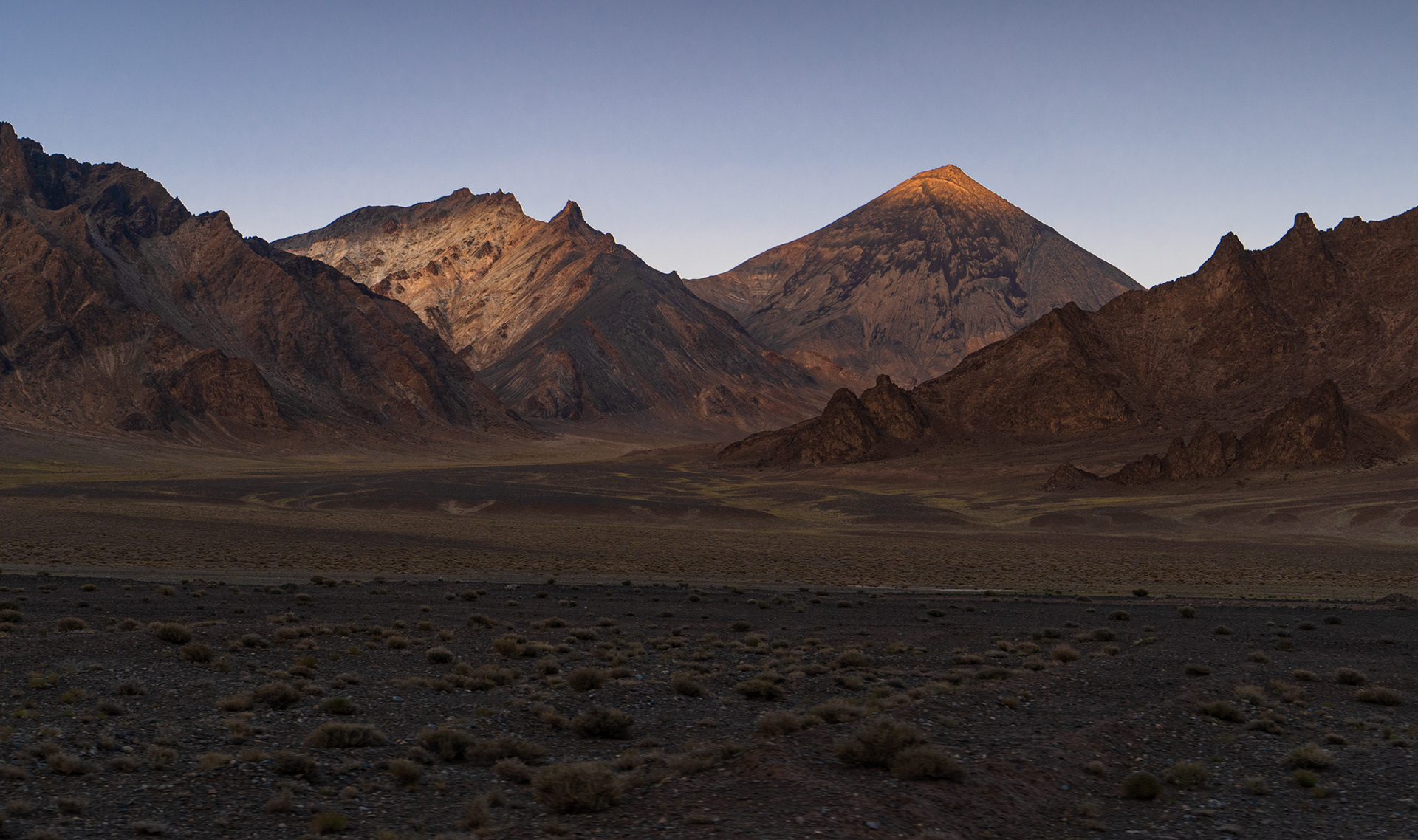
Dusk on the barren peaks North of Murghob, driving towards Rangkul, a remote valley and settlement in Tajikistan's far-East corner, close to China's Xinjiang.
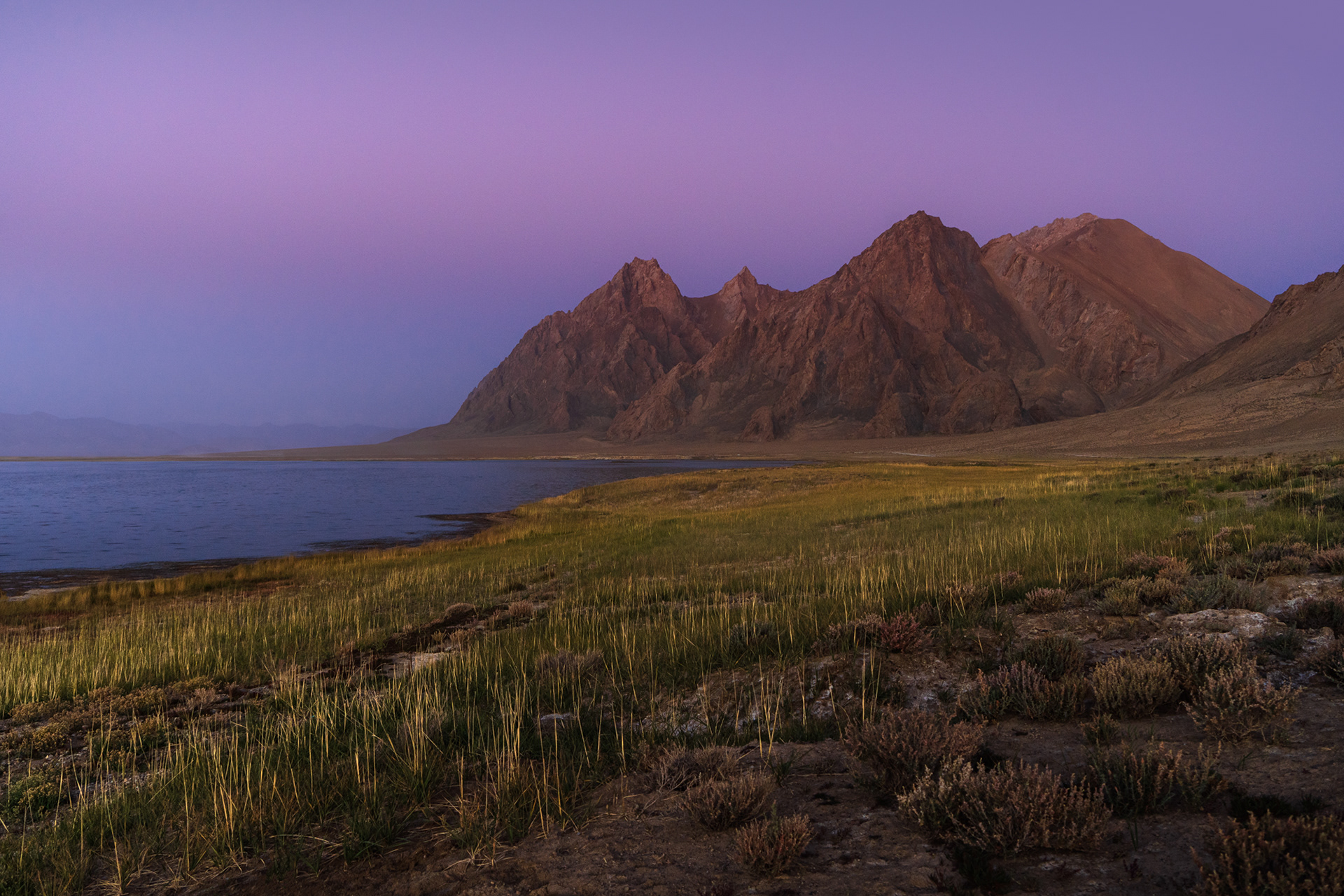
Turning off the M41, we began our two hour drive towards Rangkul. As the sun set and dusk coloured the skies, we caught our first glimpse of Rangkul Lake.
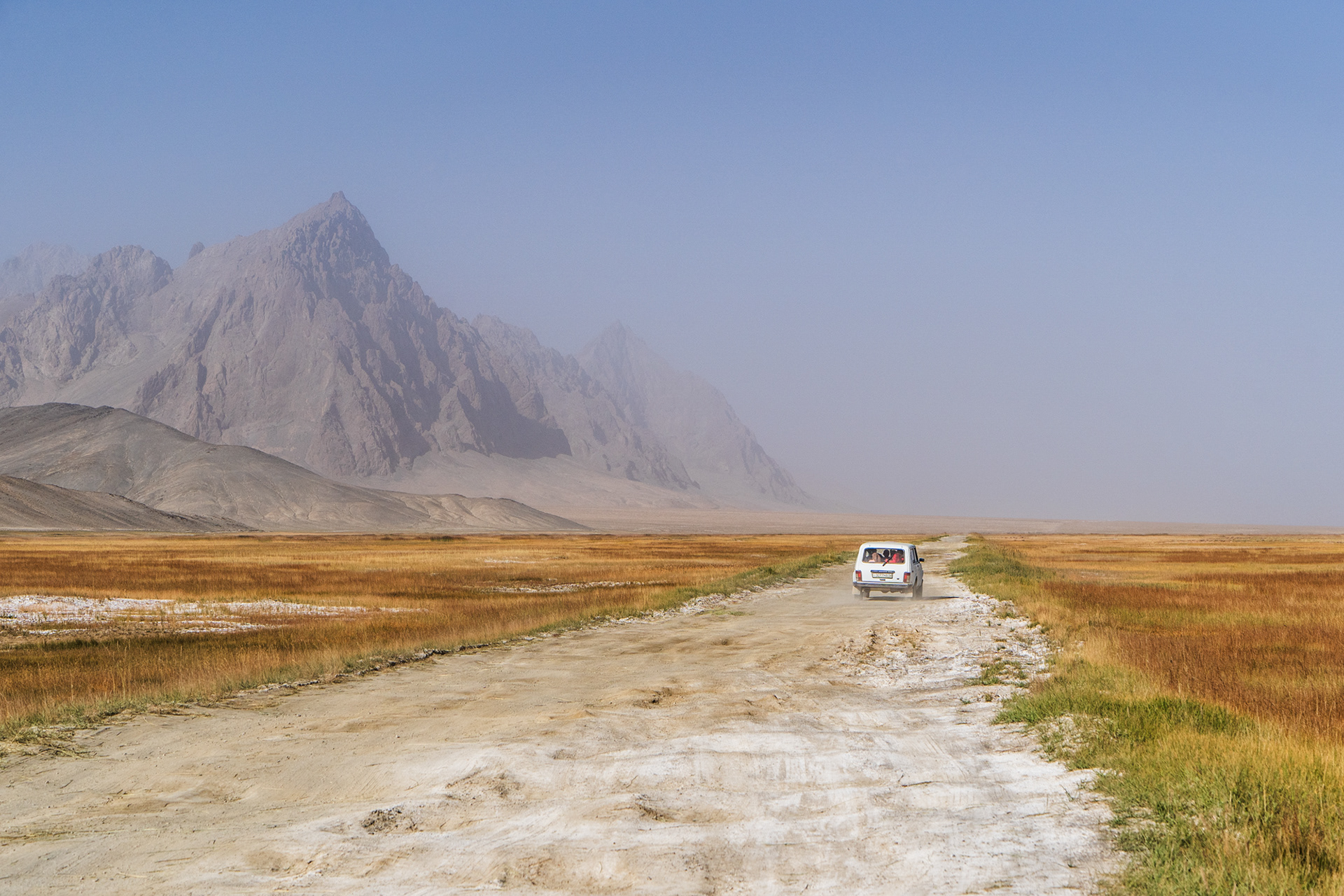
We woke up to a very heavy haze that had rolled in from Xinjiang - even though the border was less than 5 kilometres away, we could not see any part of China. After a slow start, we set out to see what we could, as we began the drive back towards the M41. For a little while we trailed behind this Soviet-Era Lada, which was handling the bumpy mud road surprisingly well.
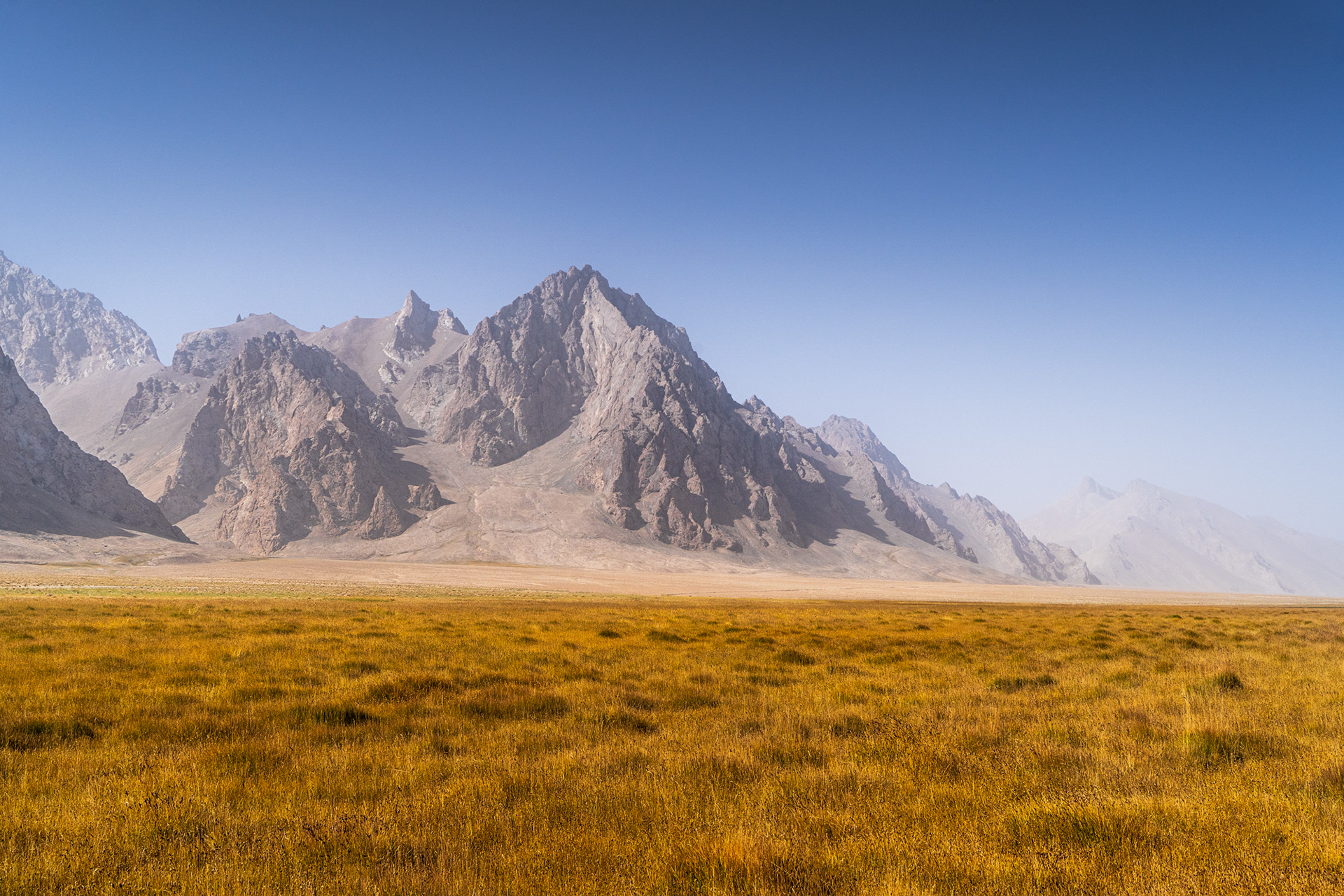
Dry, nutrient rich grasslands surrounding Shorkul and Rangkul Lakes. A haven for migratory birds from afar as the Himalayas.
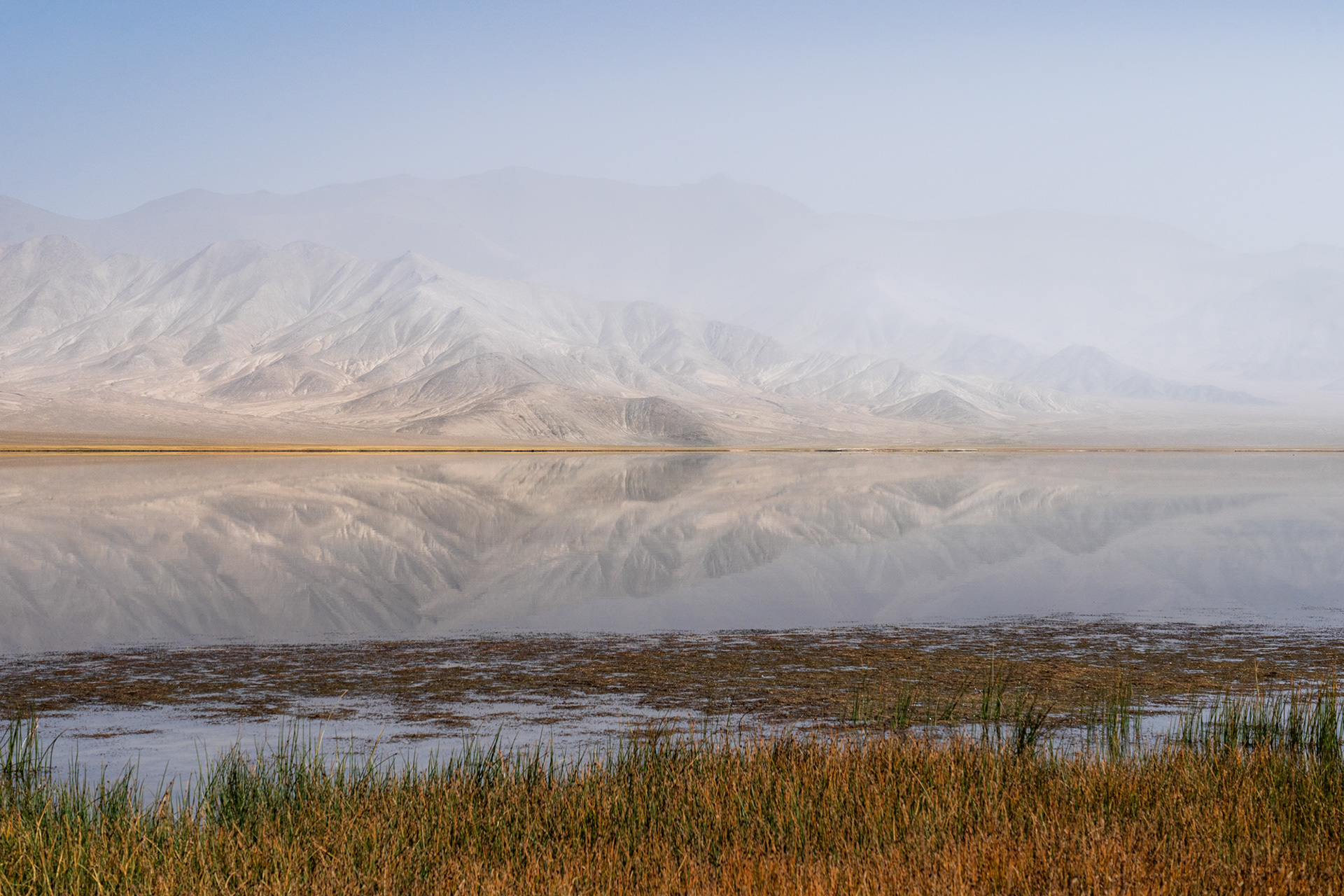
Rangkul Lake
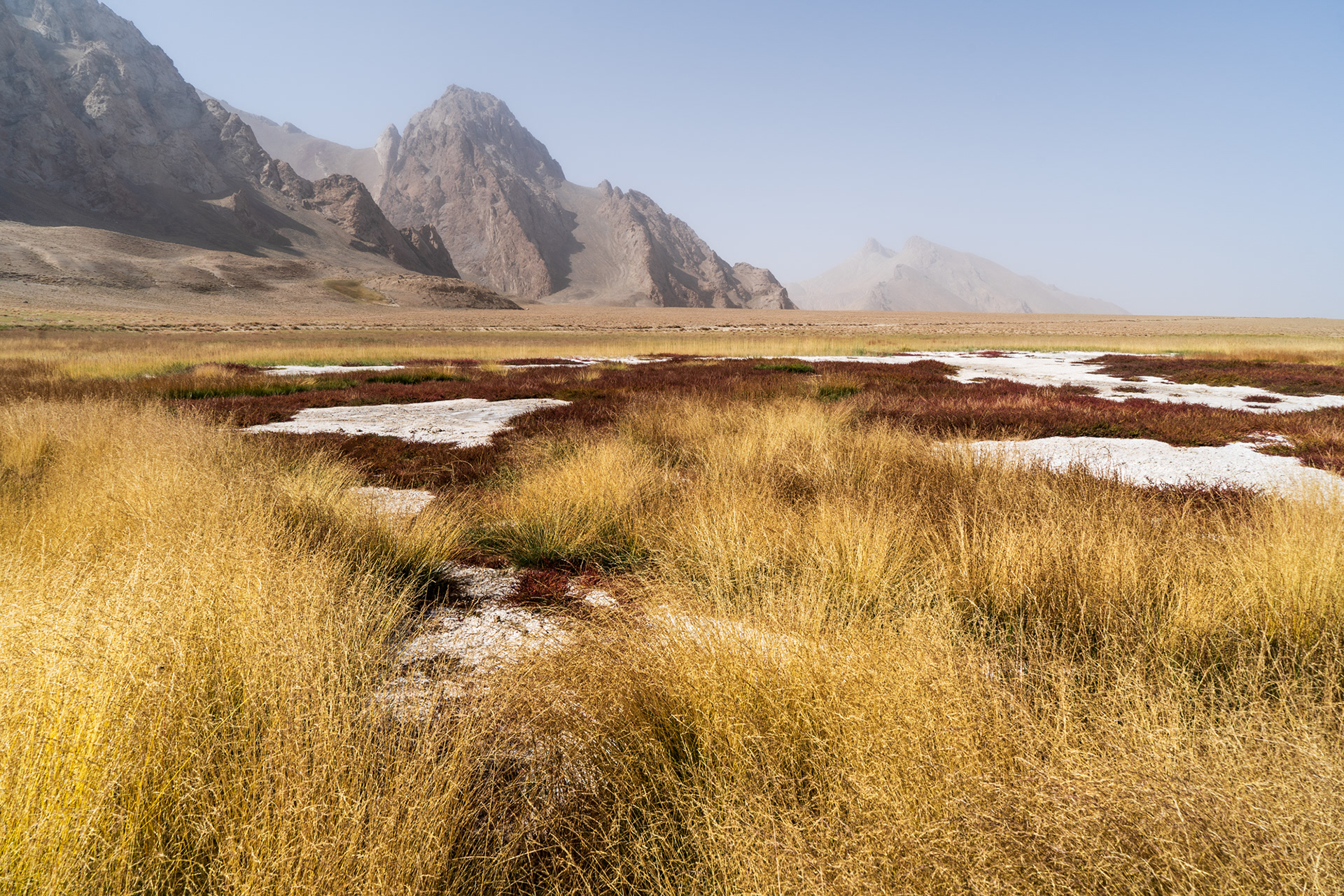
Salt marshes and shrubs between the two lakes.
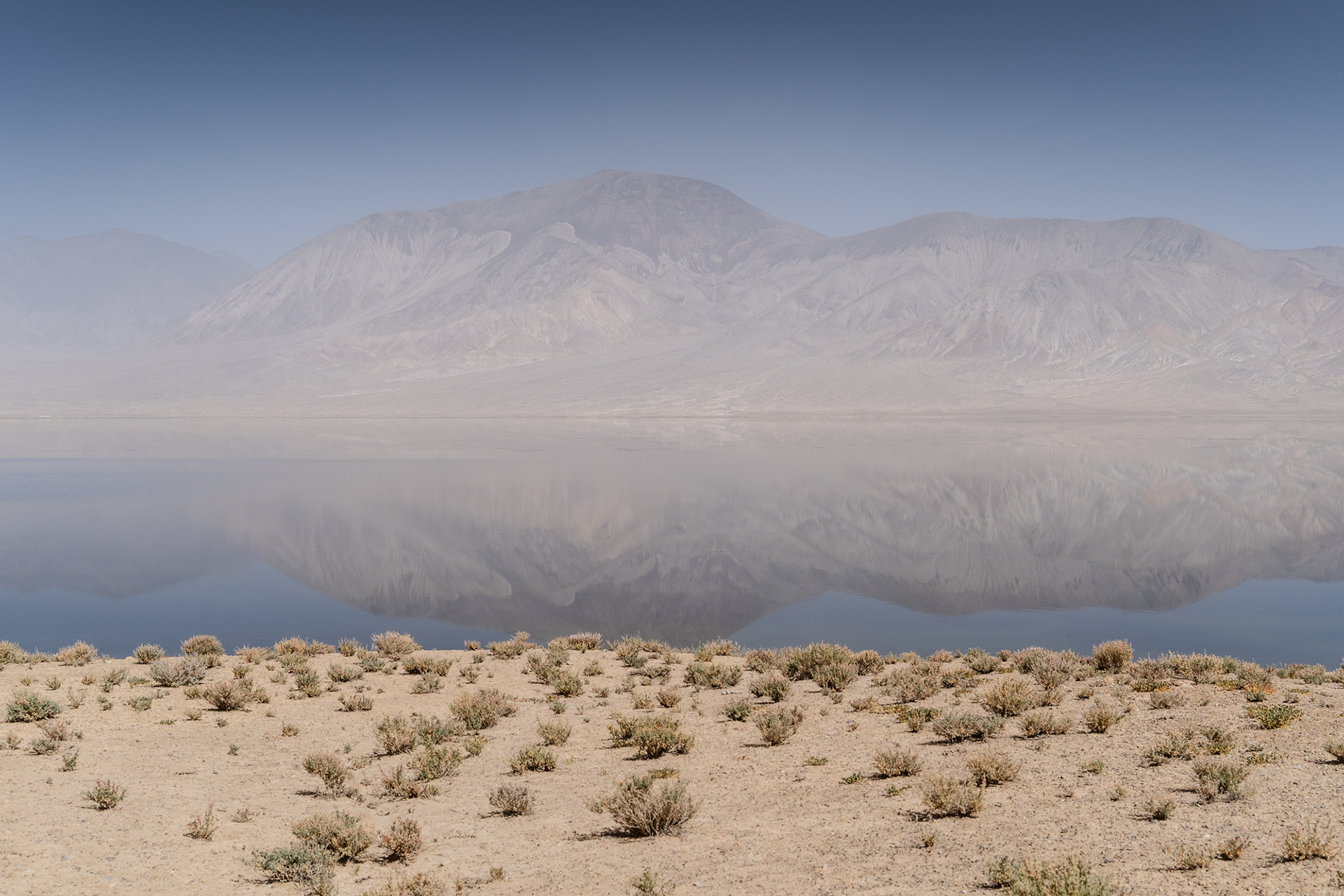
Shorkul Lake
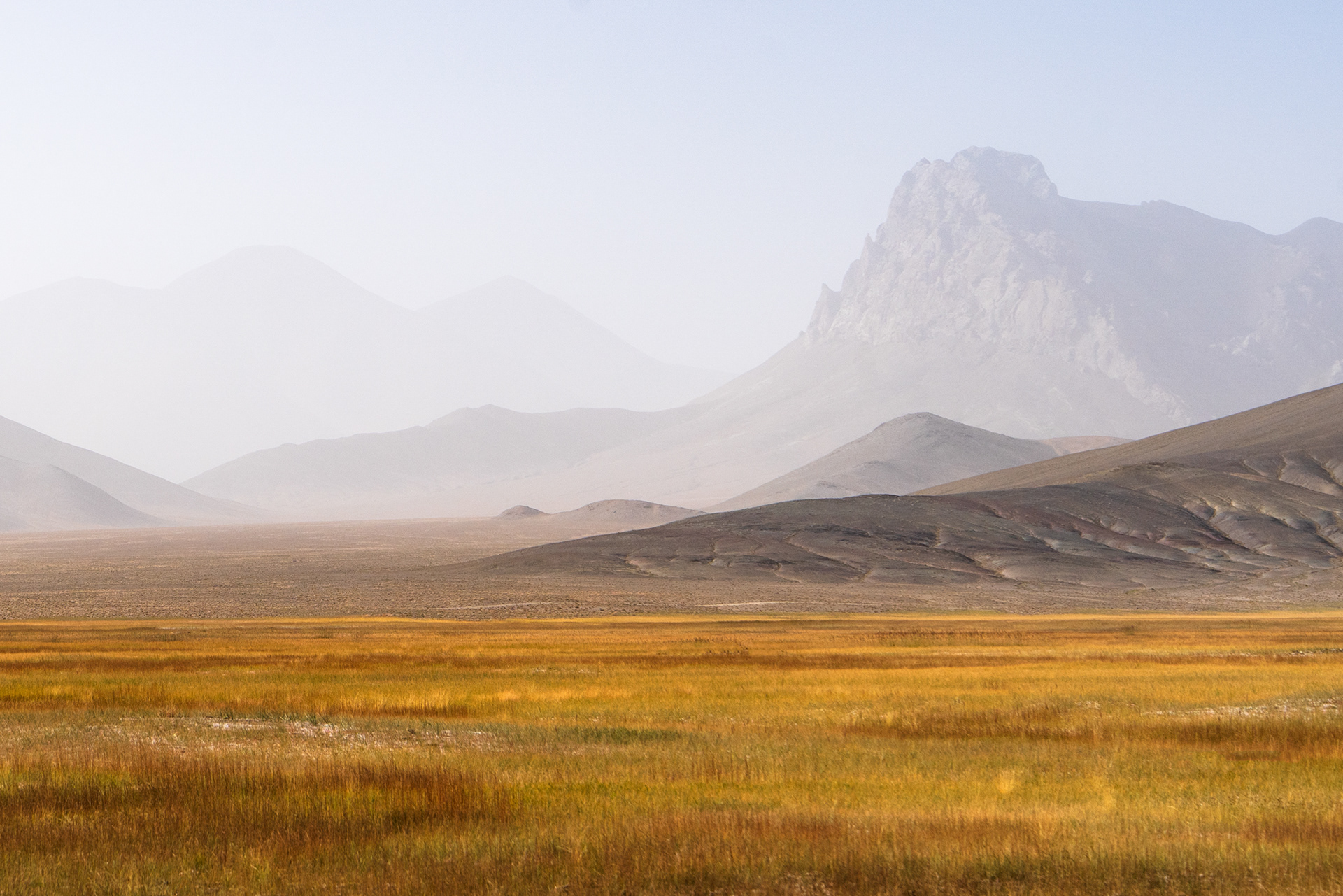
Looking south towards the Greater Pamir.
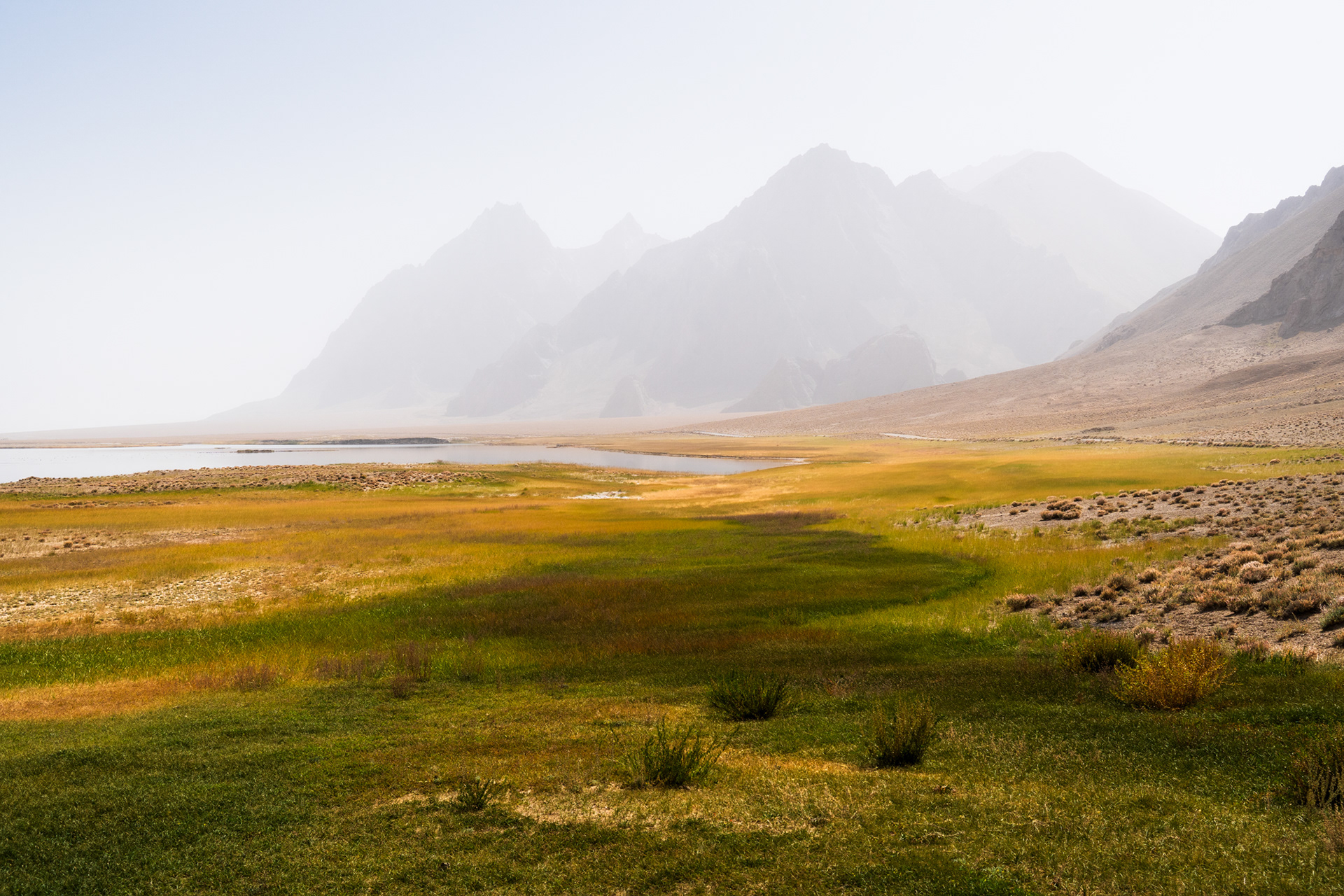
Looking back towards the lake, the landscape still engulfed in the fog, we said goodbye to Rangkul and drove back towards the Pamir Highway and onto the Ak-Baital Pass, beginning our journey back to Kyrgyzstan.
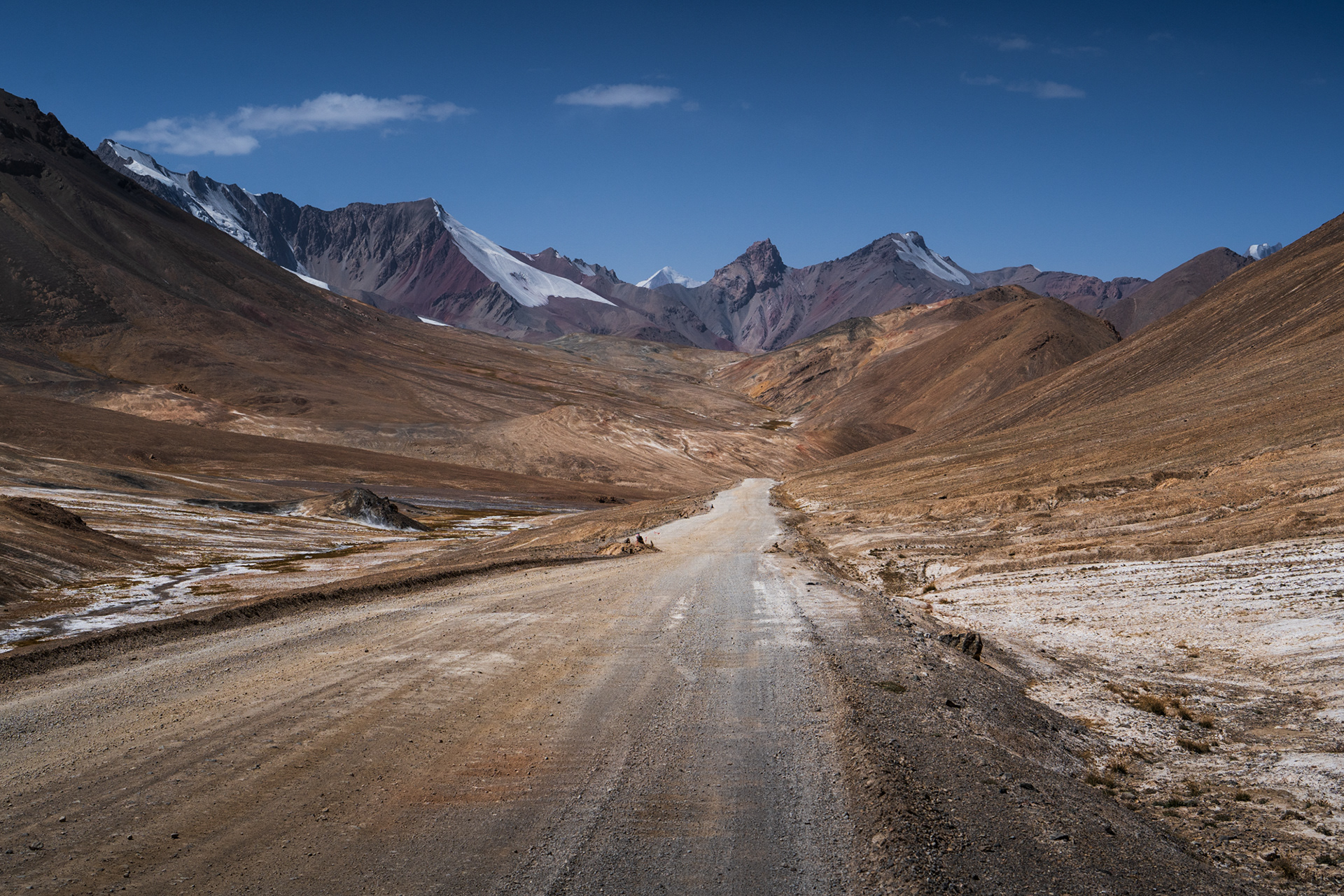
Descending North from the Ak-Baital Pass, the highest point on the Pamir Highway. at 4,655m.
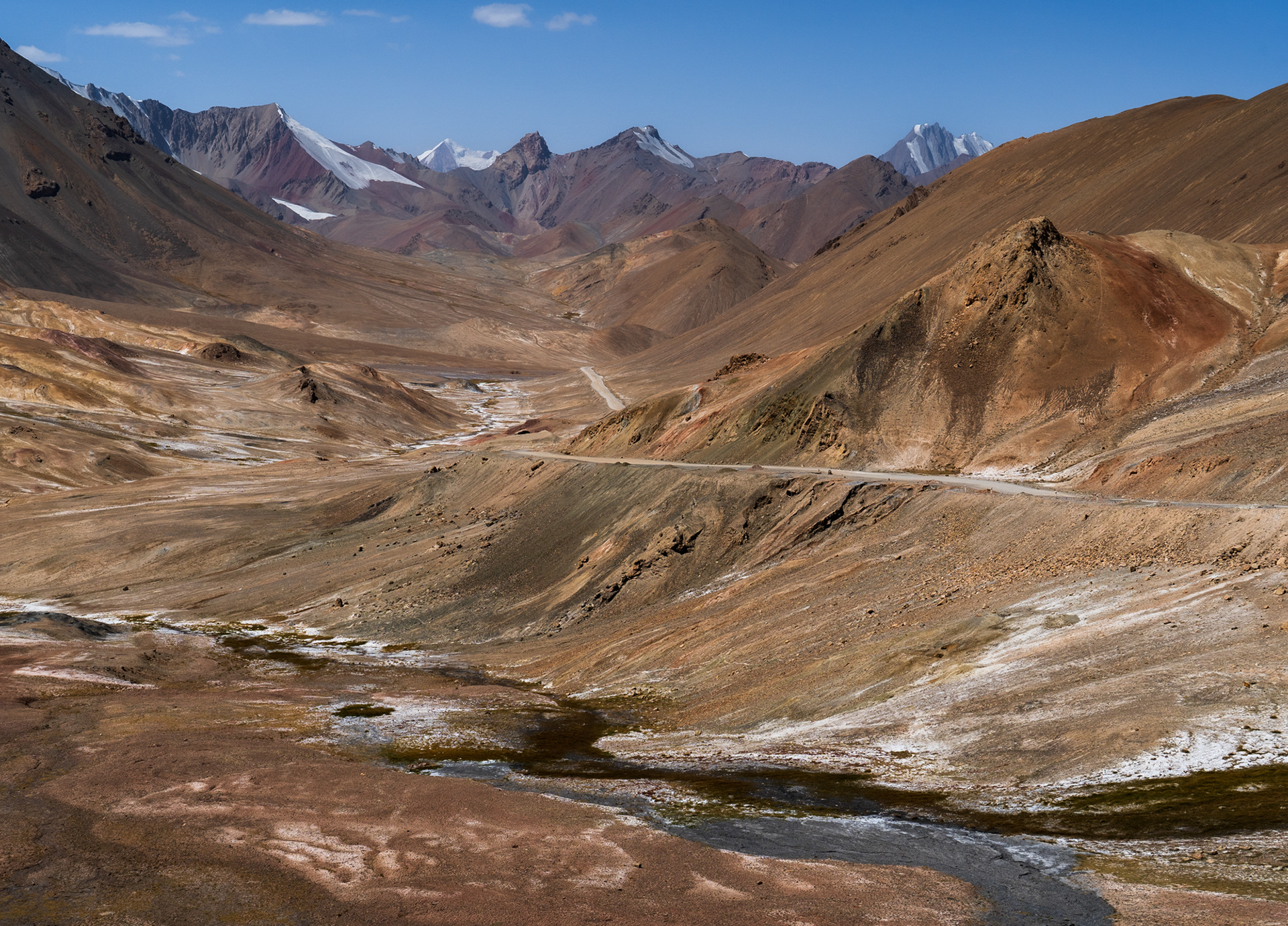
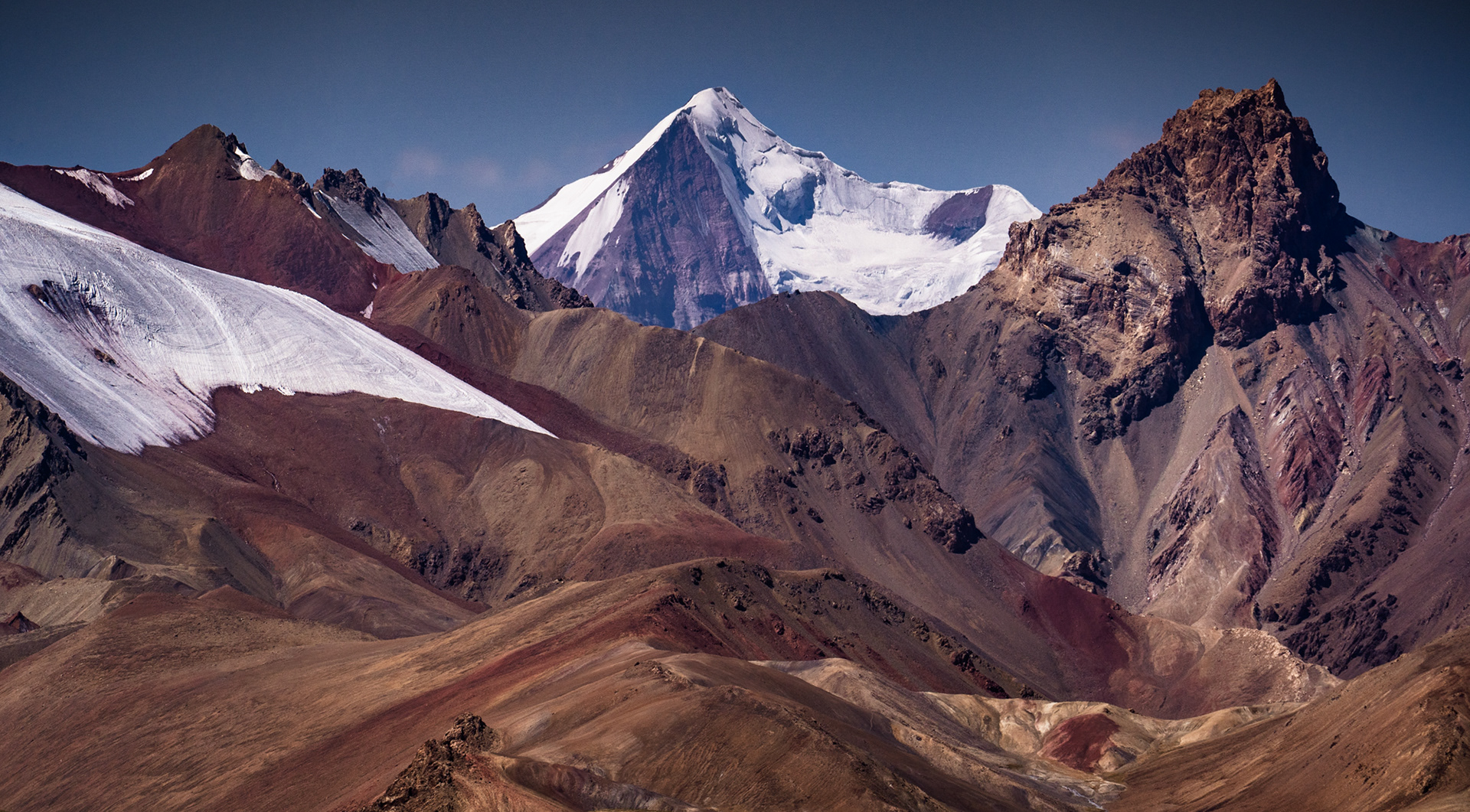
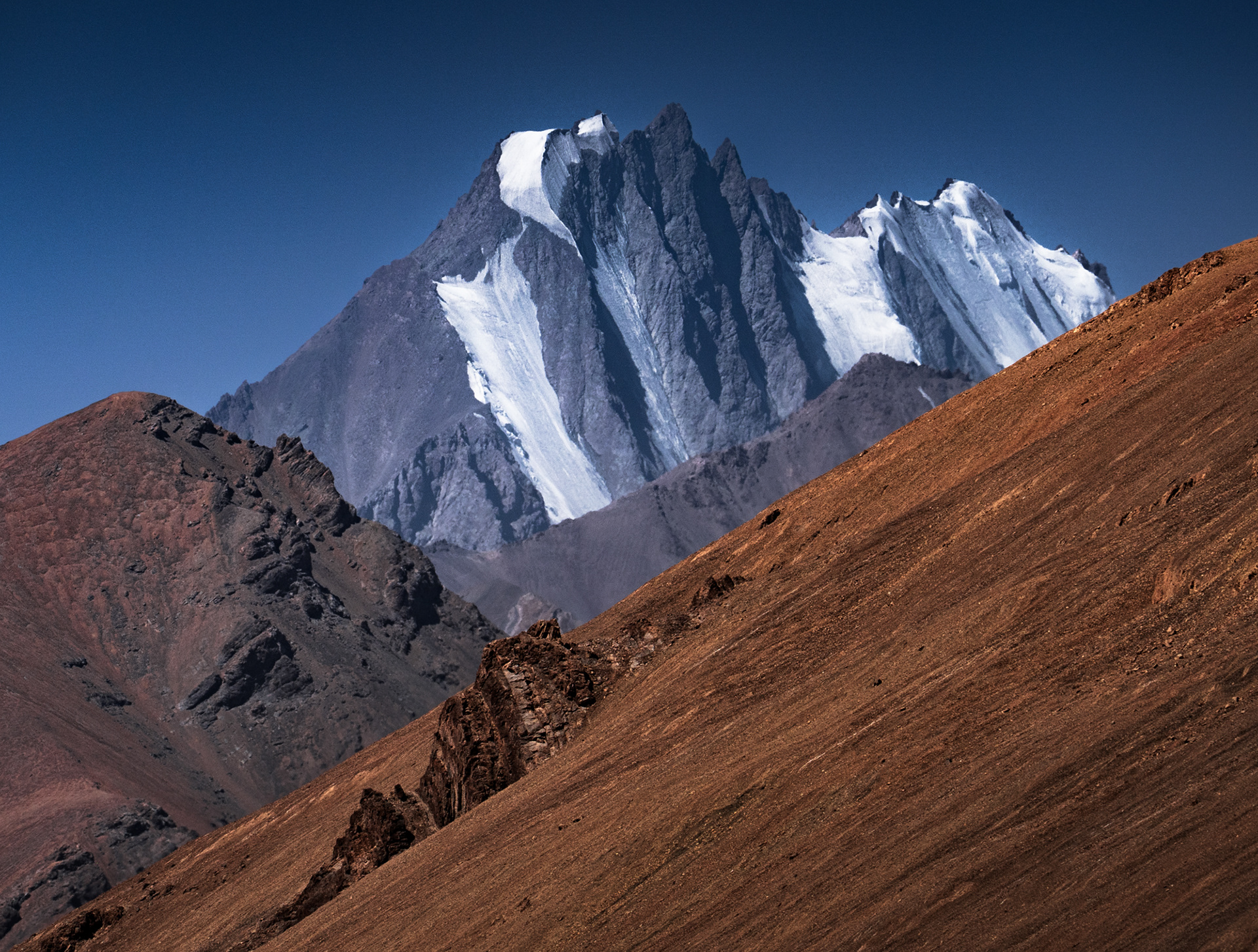
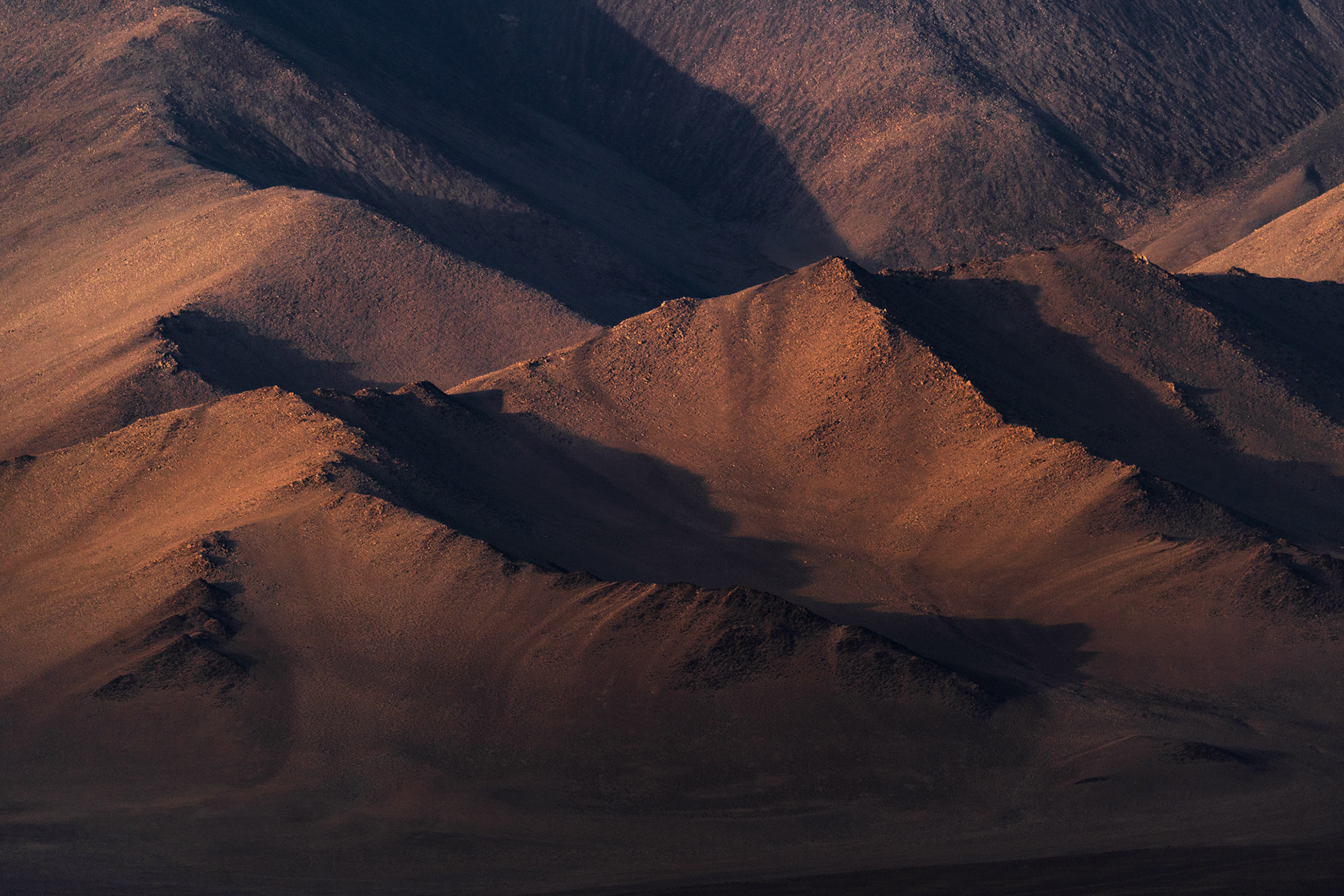
Sunset on the mountains around Karakul Lake.
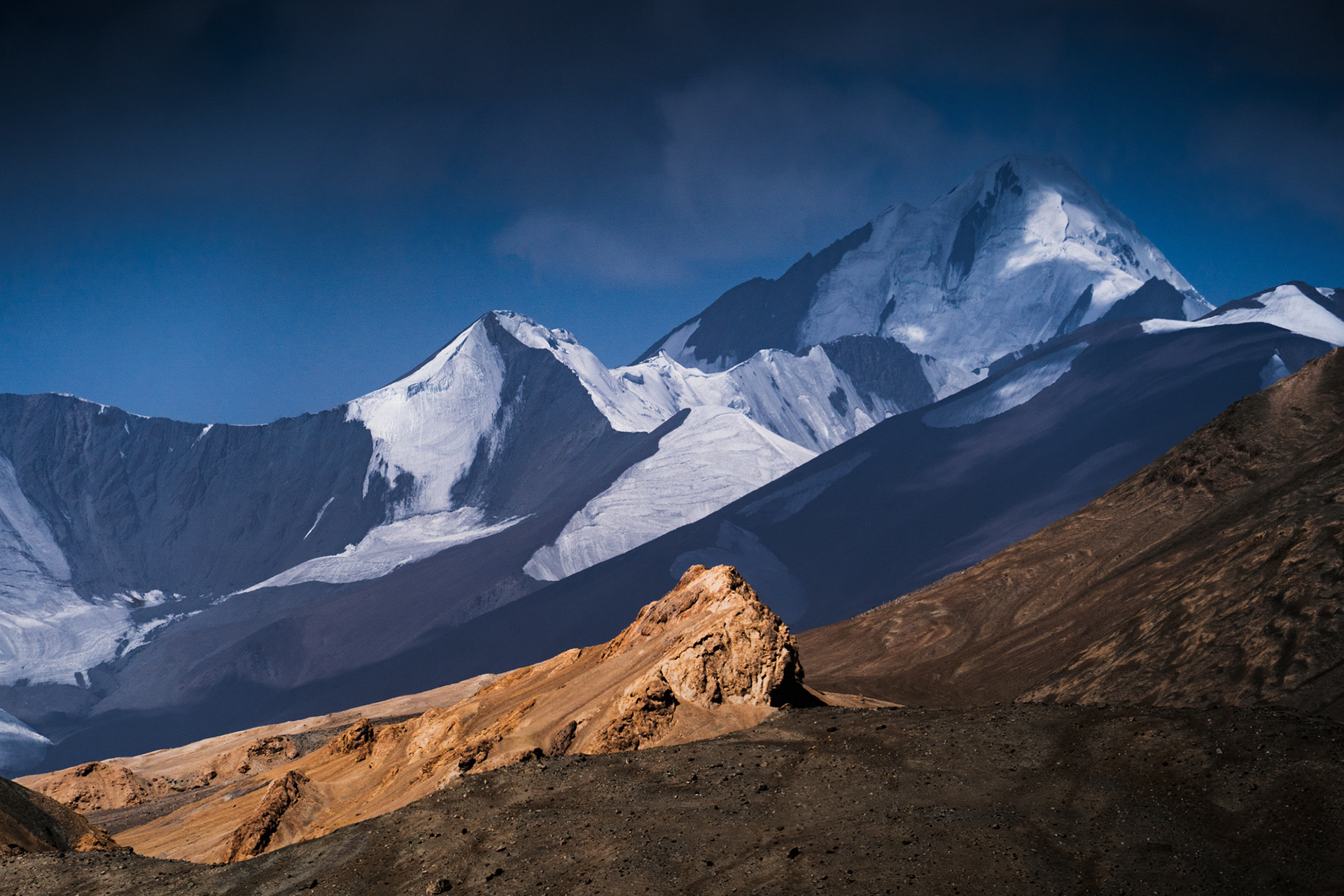
The heavy, high altitude sun hits the parched, layered landscape.
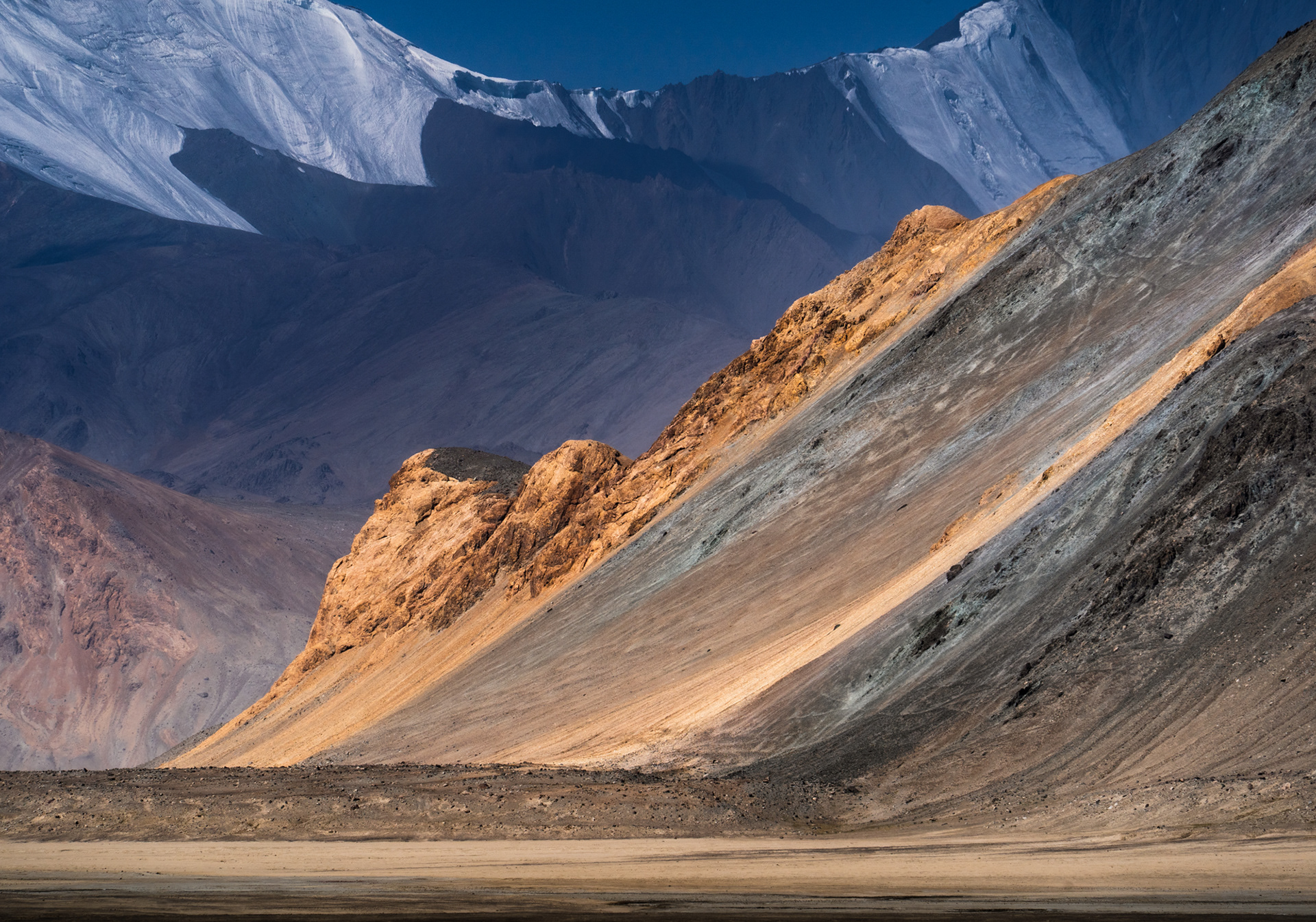
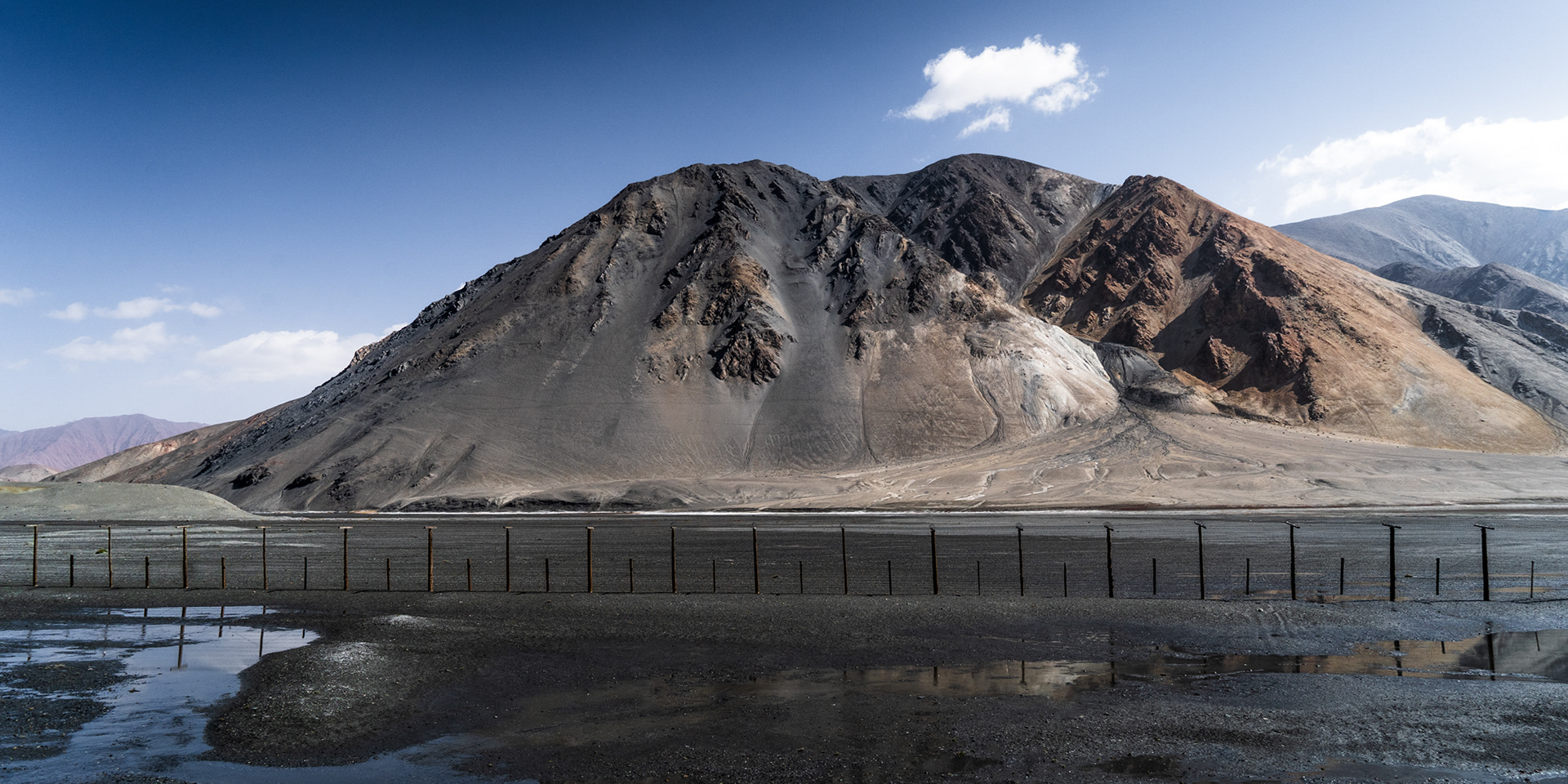
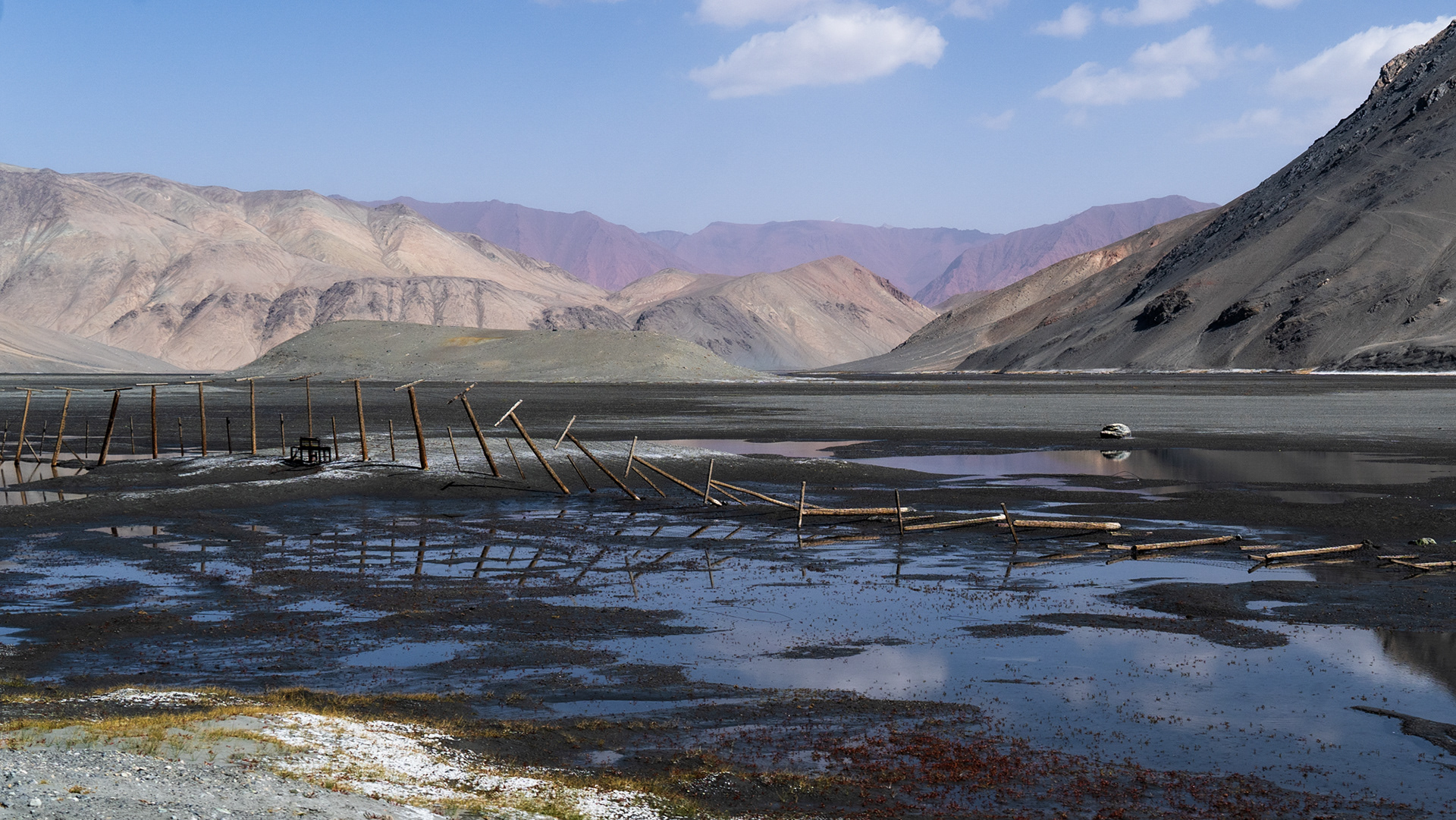
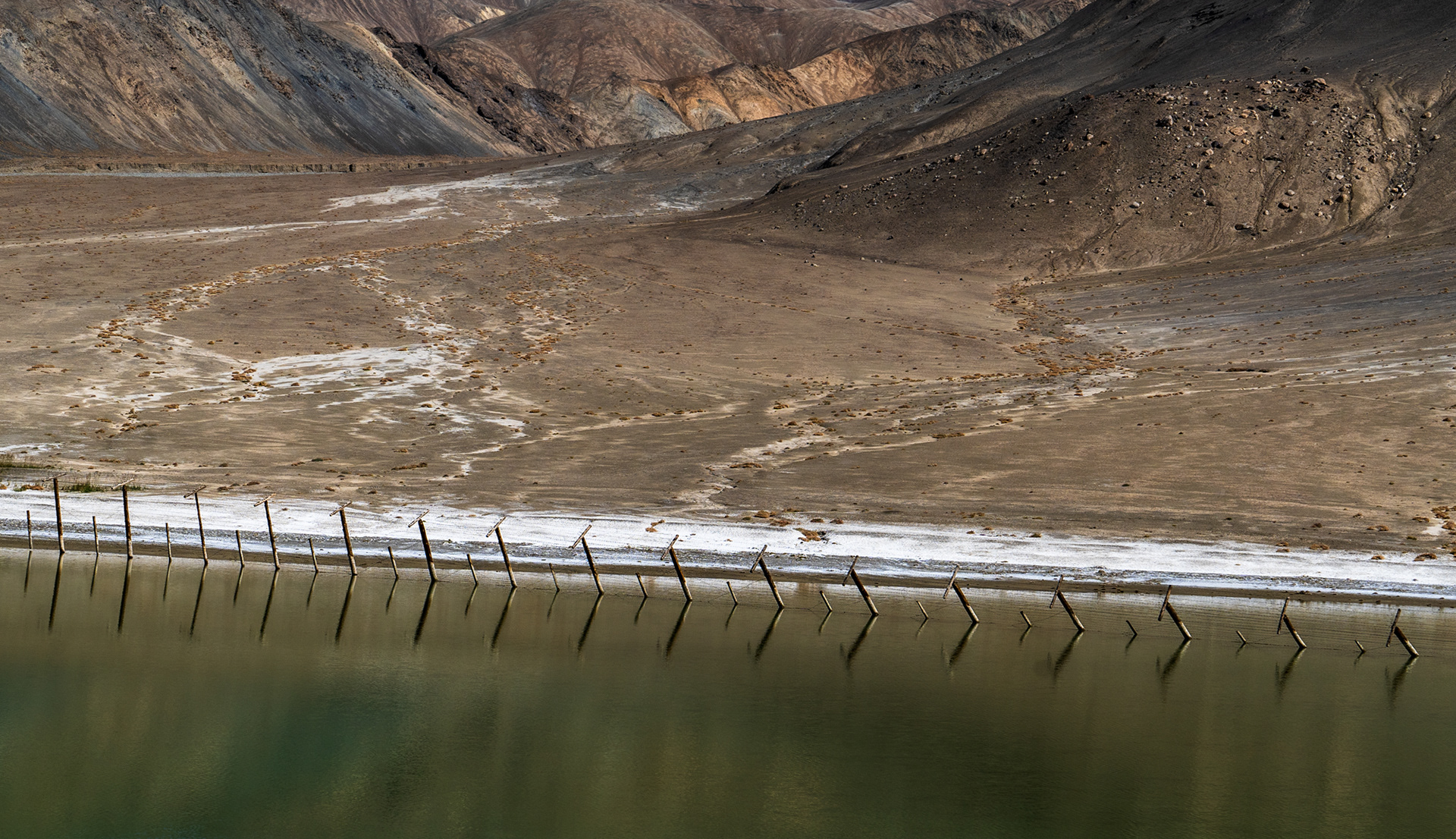
Although China is still more than ten kilometres away (the snowy peaks in the distance lie on the border), the military border is just metres away from the Pamir Highway.
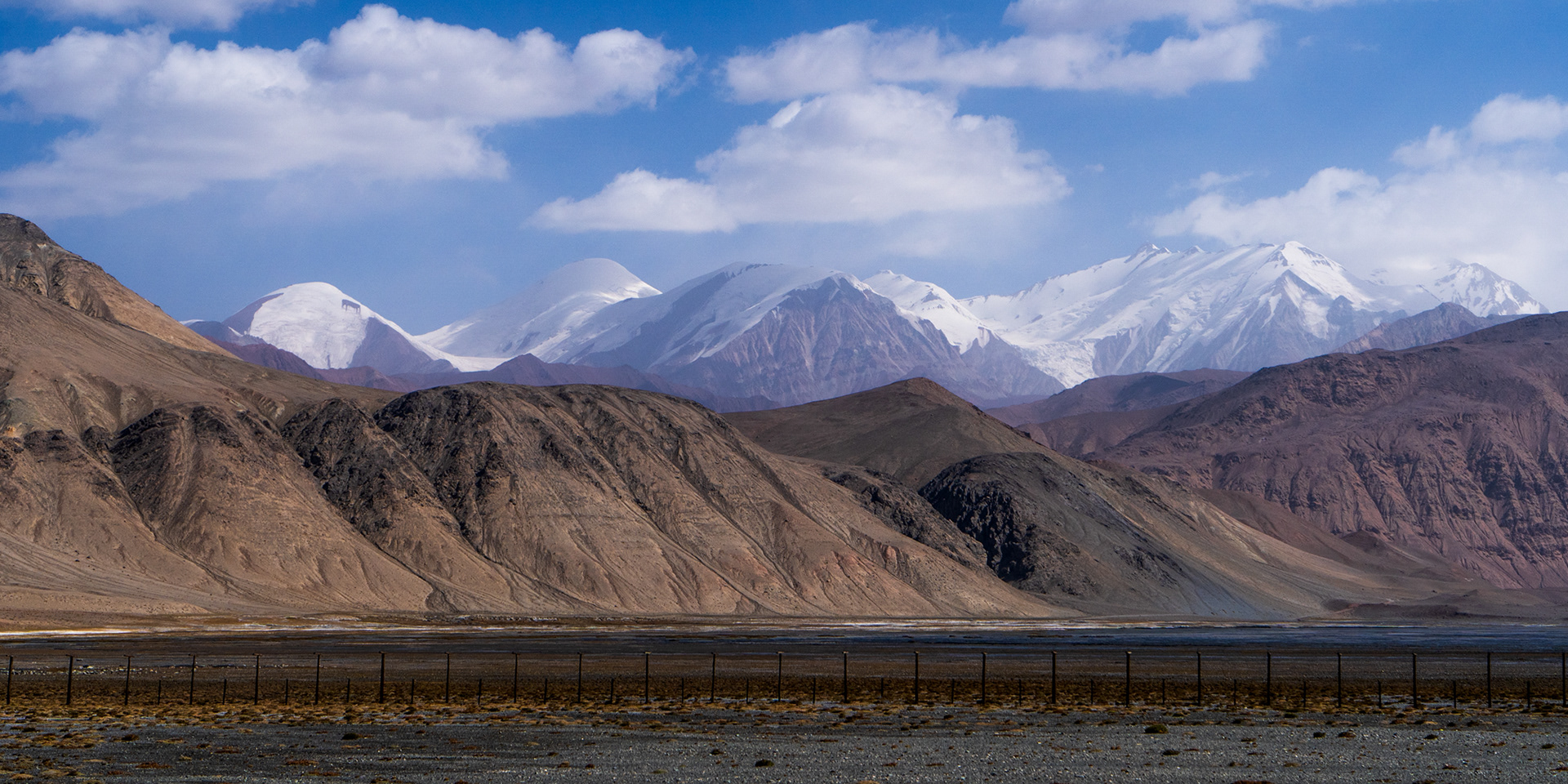
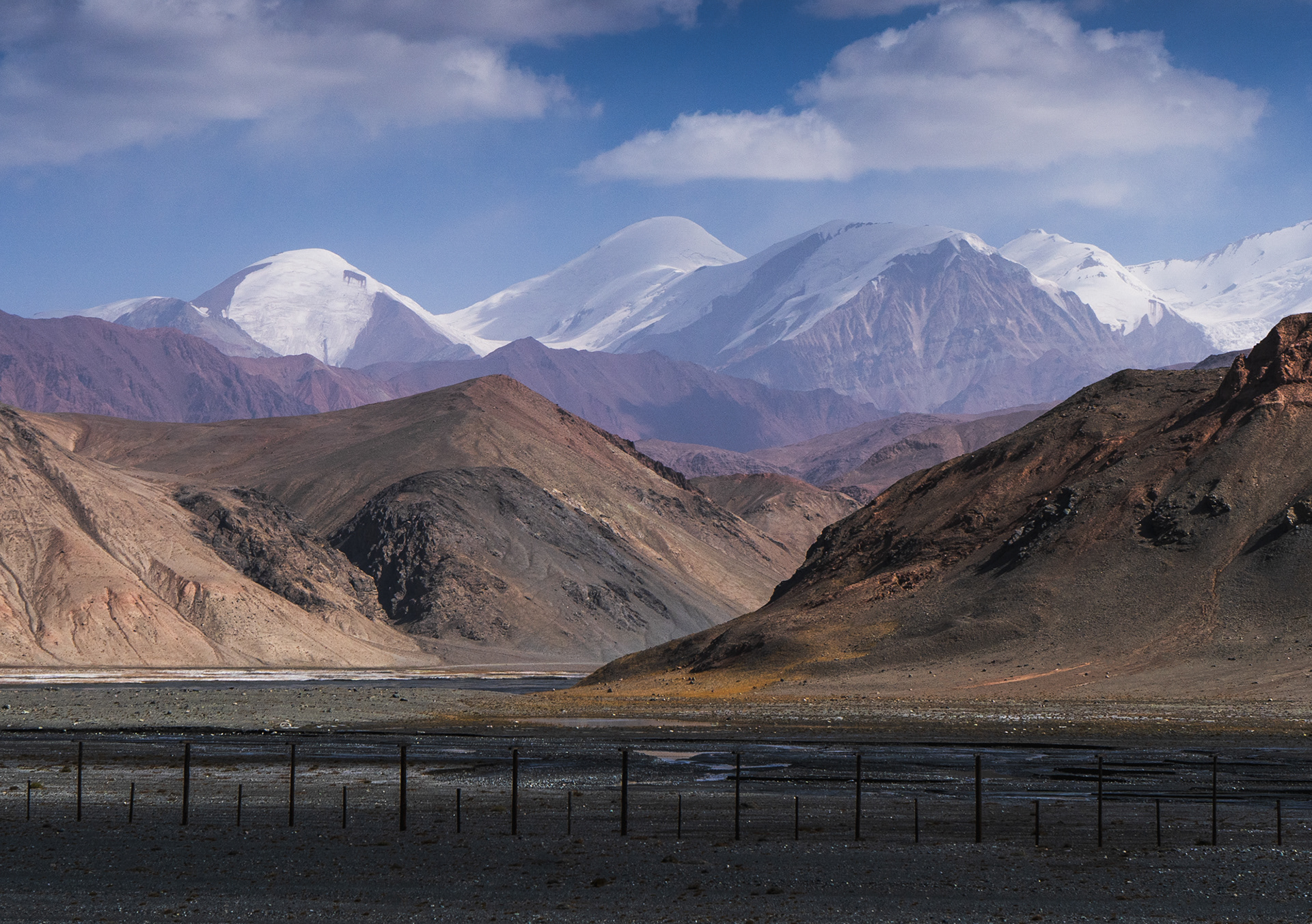
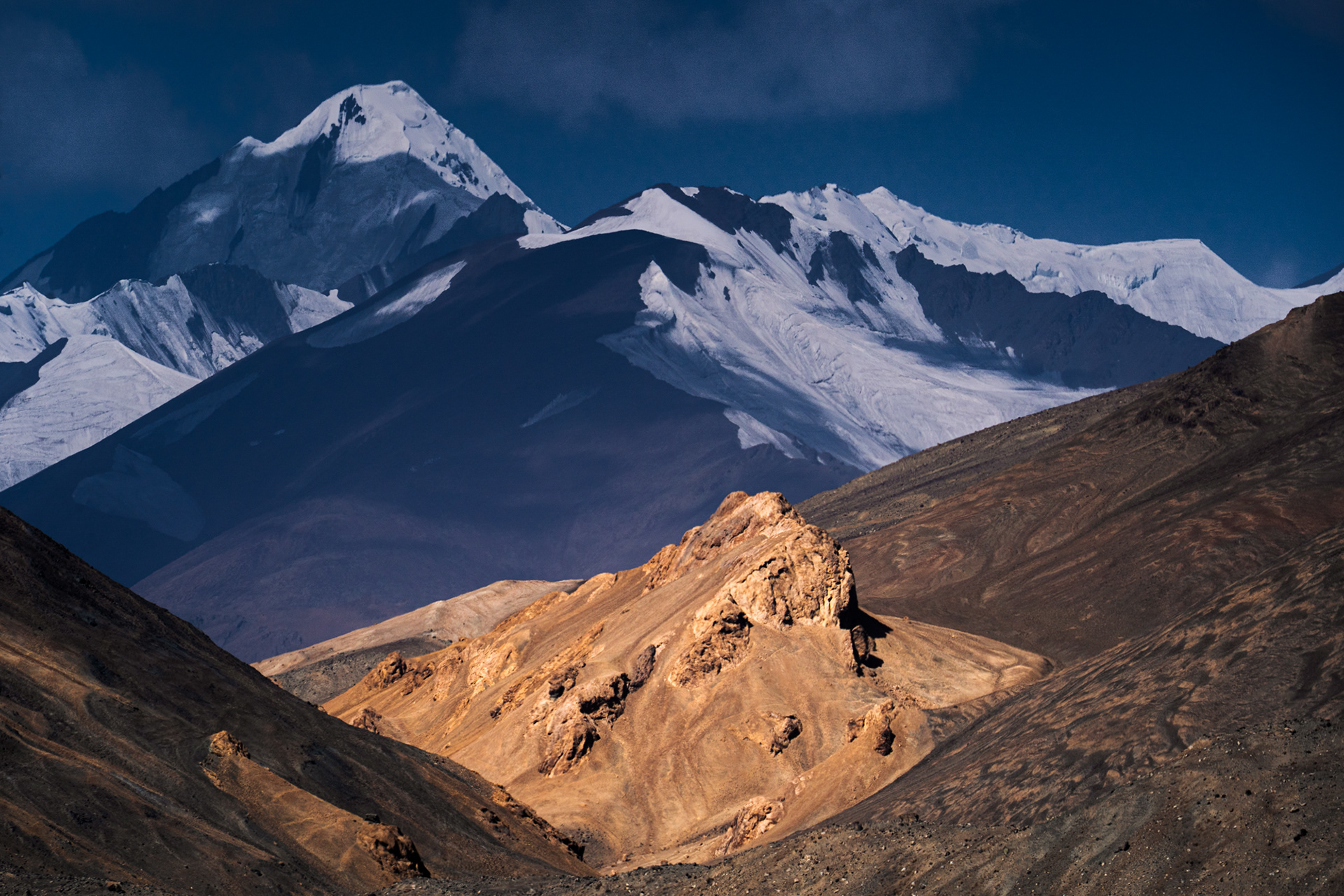
Snowcapped peaks of the Pamir, some in China, some in Tajikistan.
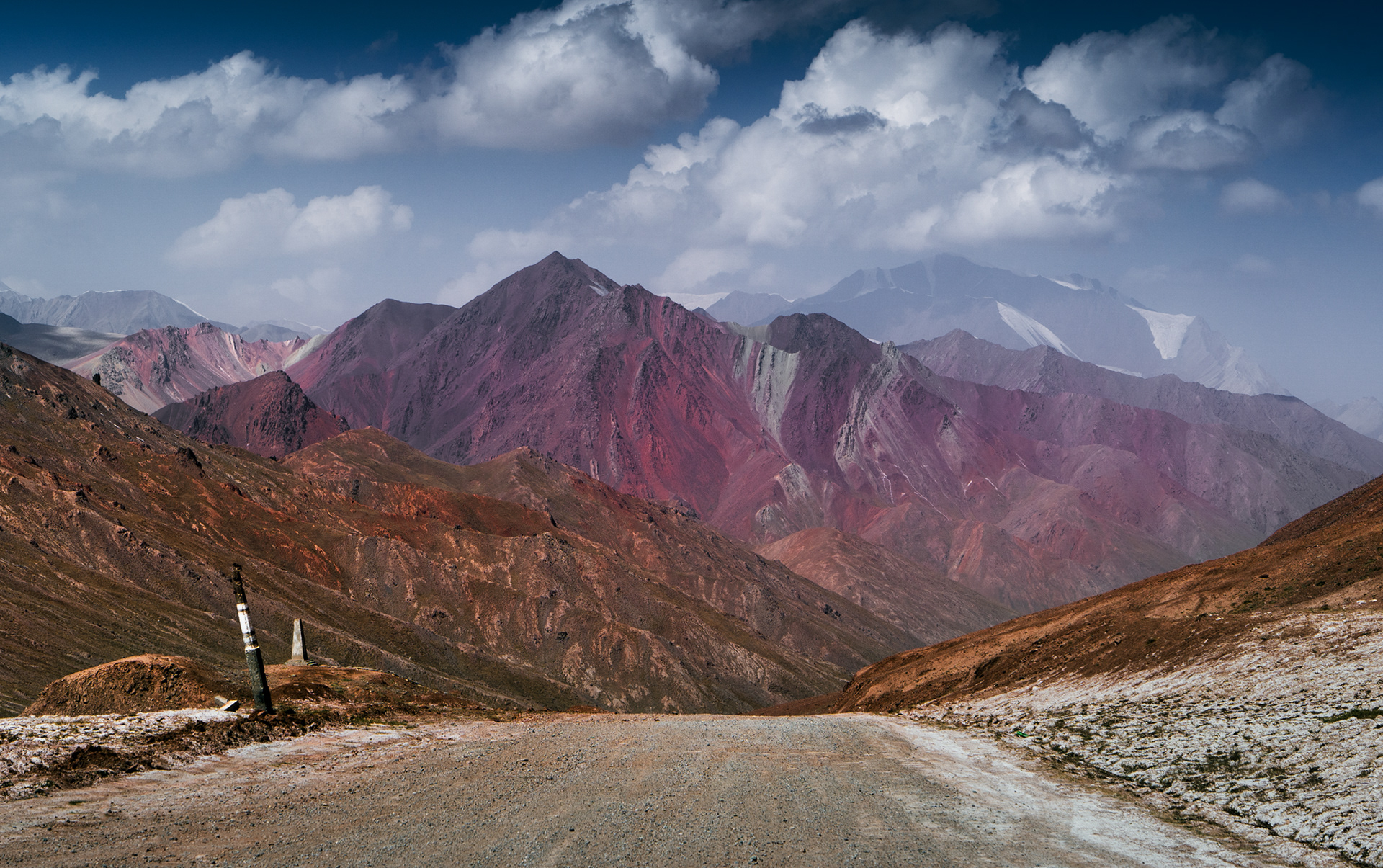
Standing at the top of Markansu, the Tajik border. 20 kilometres of no-man's land in front, and Kyrgyzstan after that.
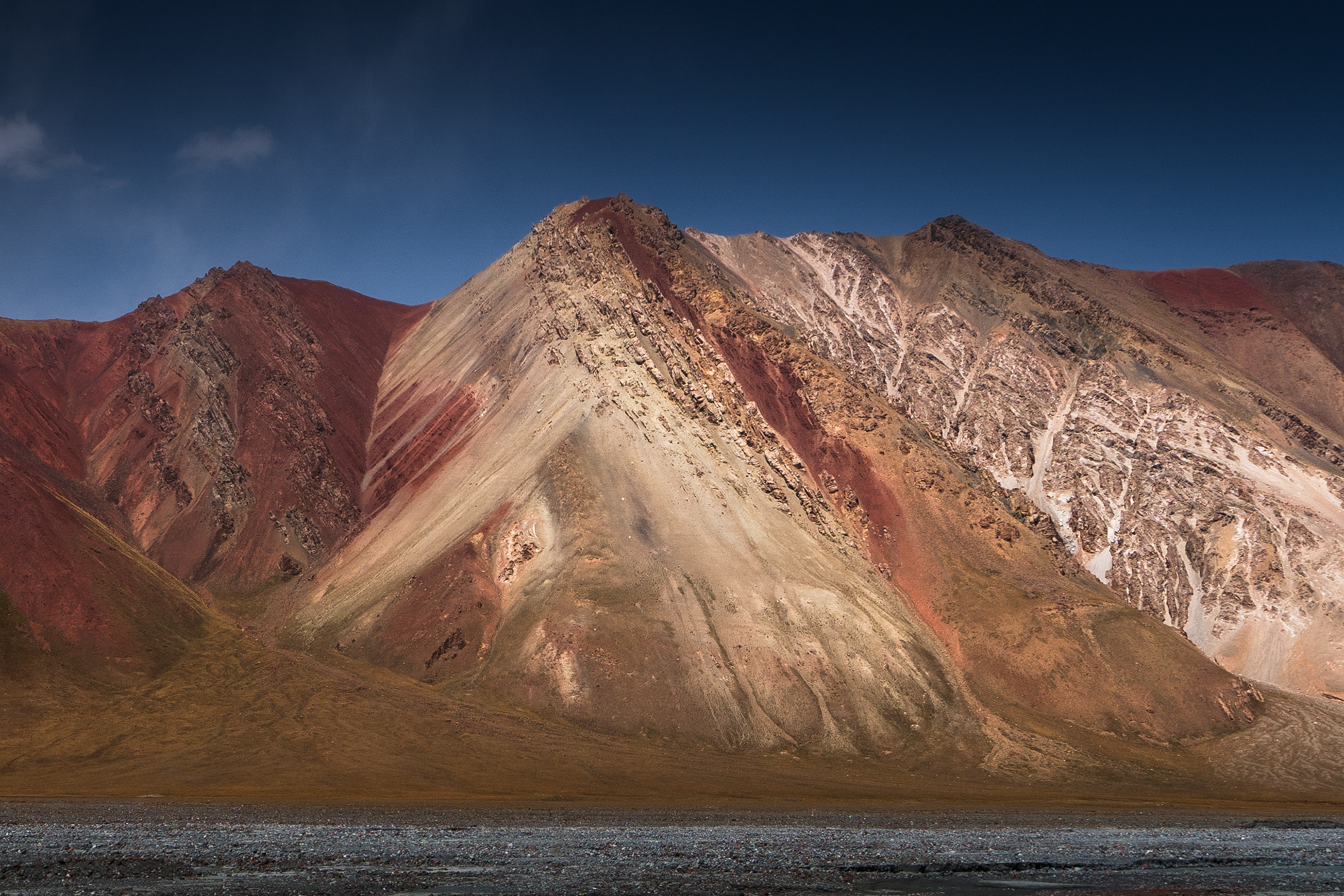
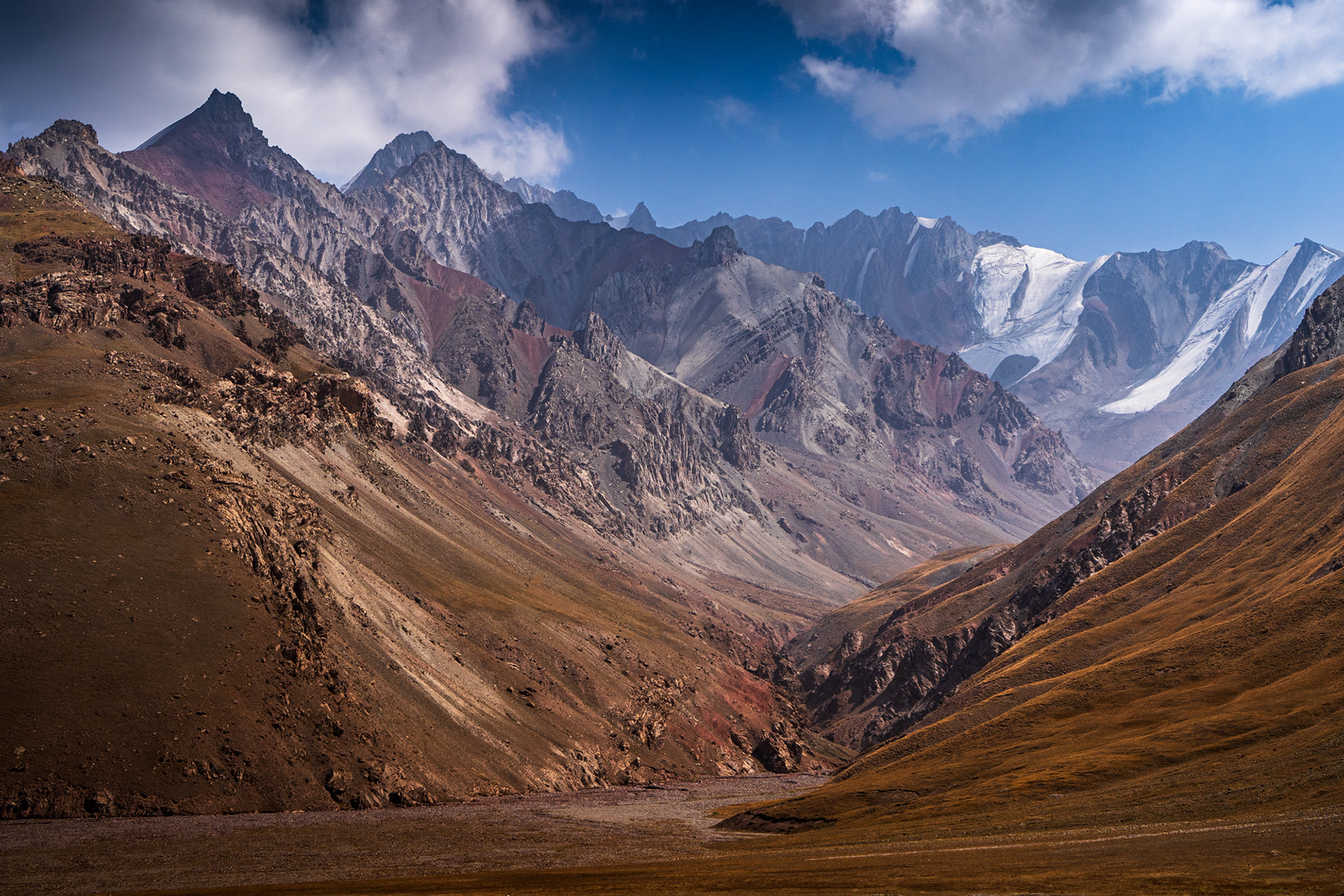
Close to the Kyrgyz border, the colourful mountains of the Alay Range overlook us. Goodbye Tajikistan.